How Coffee Producers Master Coffee Harvesting

Knowing when’s best to harvest

1 min
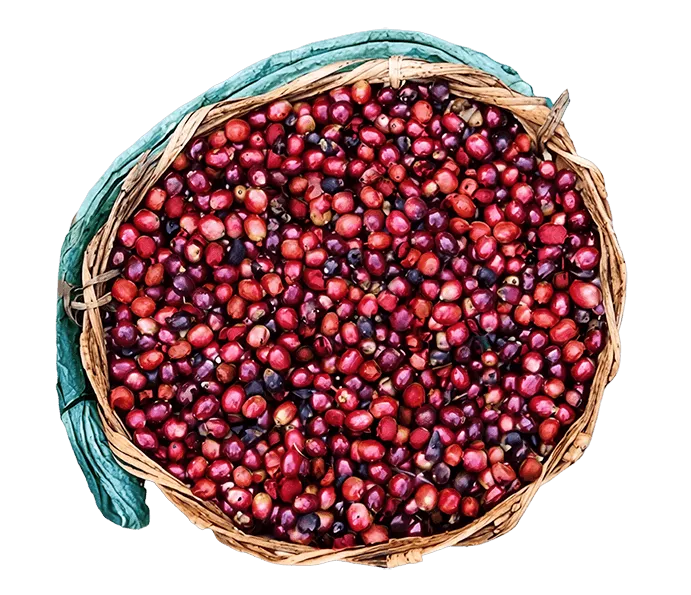
Because it involves selecting ripe coffee cherries, harvesting is essential to producing high-quality coffee and ensuring a truly exceptional cup.

Explore more

nescafé producers
Mai Thi Nhung
Find out how Nhung knows when the best time is to pick the perfect coffee bean.​​
video-thumbnail

The perfect pick

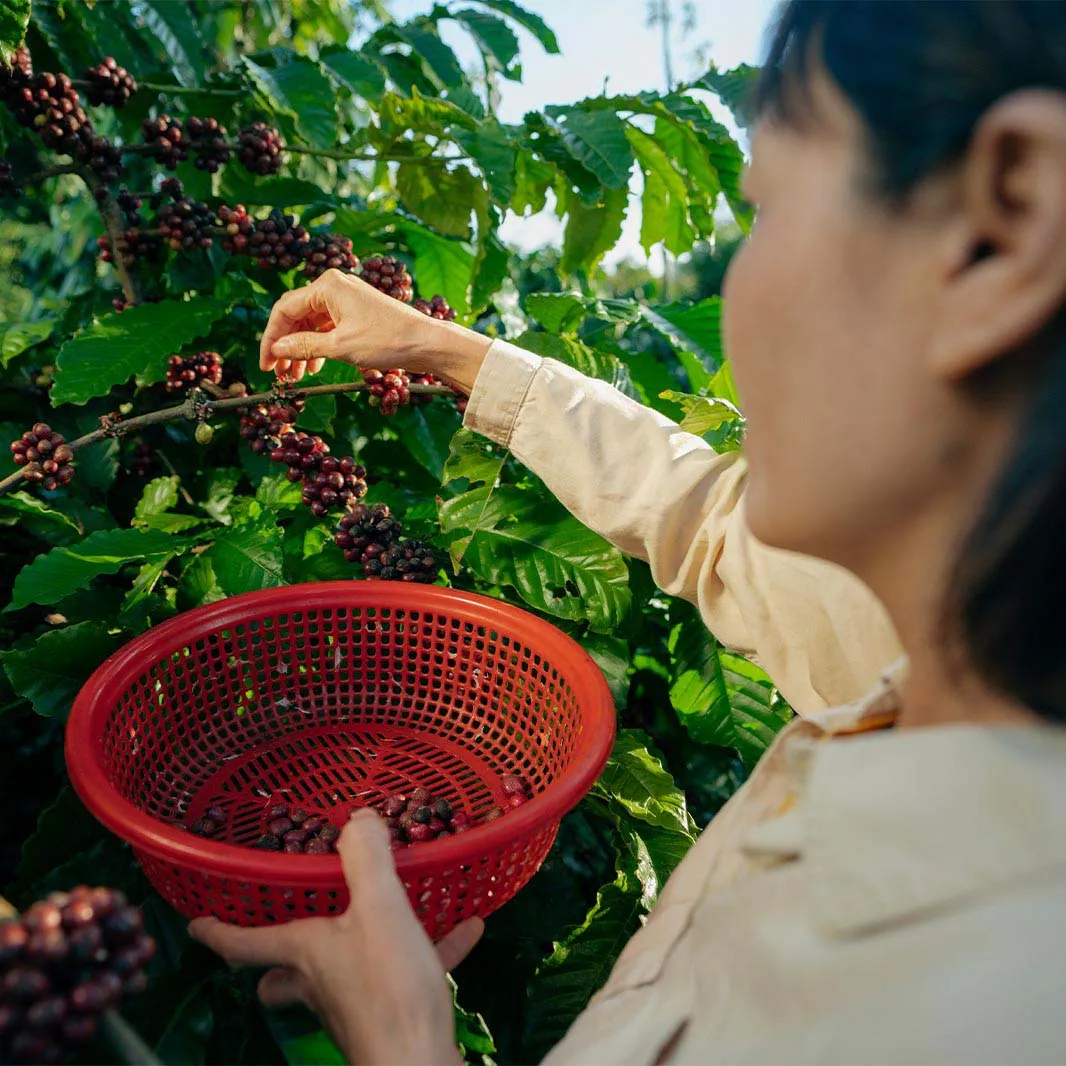
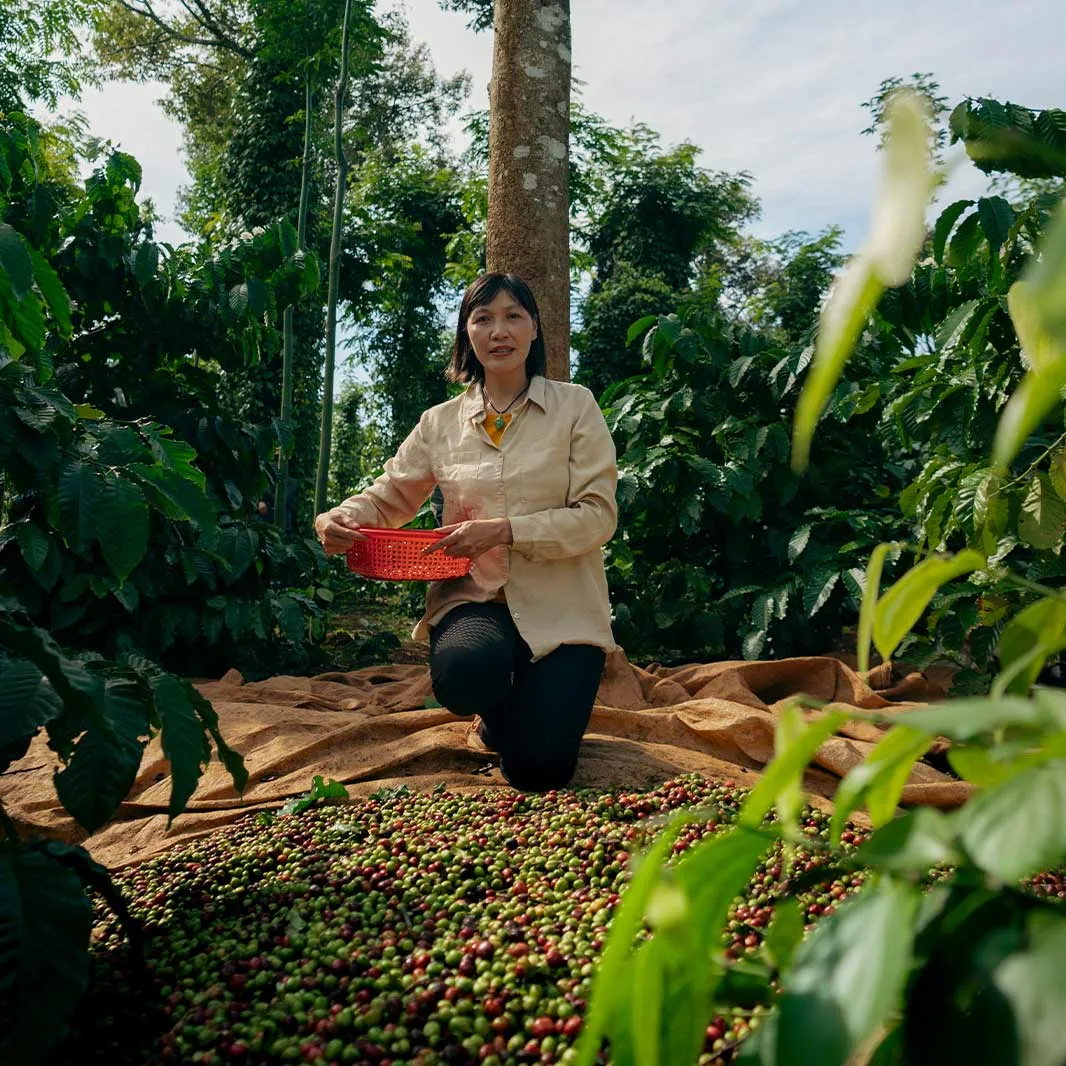
Farmer Mai Thi Nhung knows her farm inside out. She keeps a close eye on her coffee cherries, watching as they change colour,​ grow and ripen. “If we pick ripe beans, the taste of coffee will be more delicious,” she says. She picks with great care, preserving the branches so that they bear fruit the following year.​

Always growing
Nhung’s experience comes from many years spent caring for her fields. After harvesting, she dries the coffee cherries, before taking​ them to be processed into coffee beans. She then cuts off dry branches, waters, weeds and prunes, prepping the farm for the next​ harvest. “My hopes for the future are that my coffee plants will develop every day,” she says.

perfect coffee pick

A sense of place

Being outdoors makes Nhung happy. “What I like best is the sunny weather,” she smiles. But coffee isn't just her family’s major source of income, it's also her passion so she invests time and effort to stay abreast of new developments, innovations and techniques. She’s constantly looking to grow her knowledge, and her potential around coffee, “I am learning more about the taste and flavour of coffee all over the world,” she says, “Because maybe someday I will become the very best coffee blender.”
coffee picker

Responsibly Sourced Coffee is traceable to the farms – like Mai Thi Nhung's farm – or groups of farms where it is harvested from. It is then produced in accordance with our Responsible Sourcing Standard


Responsible Sourcing Standard
responsibly sourced coffee quote

FAQ

In line with the Sustainable Agriculture Initiative Platform, NESCAFÉ® defines “regenerative agriculture” as an approach to farming which aims, through practice adoption, to conserve and restore natural resources, primarily soil, as well as water and biodiversity, while capturing carbon in soils and plant biomass, and to support farmers’ livelihoods. Key practices promoted under the NESCAFÉ® Plan include efficient water use and optimised use of inputs.

Learn more: NESCAFÉ® Plan 2030 Progress Report 2025


For NESCAFÉ®, responsible sourcing means coffee lots are traceable to the first aggregation entity forming the farmer units where the coffee was grown, and are independently certified or verified as produced in accordance with environmental and social sustainability standards validated as equivalent to our Nestlé Responsible Sourcing Core Requirements. Environmental standards address matters such as soil health and fertility, water resource management, biodiversity conservation, and the responsible use of agrochemicals. Social standards address matters such as human rights and child protection, workers' rights and fair labour conditions, women and youth empowerment, and support for farmer livelihoods. Our Reporting Scope and Methodology for ESG Key Performance Indicators document provides details and can be found here. Learn more: NESCAFÉ® Plan 2030 Progress Report 2025


Today’s community favourites
Discover some of the most enjoyed articles from across the site
NESCAFÉ® Coffee Farming

More articles on coffee farming