The benefits are rich and rewarding​

Growing coffee in harmony

2 min

A conscious coexistence

We are working alongside farmers across the globe, encouraging them to farm in ways that embrace the benefits of biodiversity. By harnessing the collective contribution made through integrating various plants, animals, insects and microorganisms as a by-product of regenerative agricultural practices, farmers can help create a more diverse ecosystem on their farms. For example, certain species of birds will eat insects that would otherwise damage crops.

In Vietnam some farmers practice intercropping, introducing different varieties of plants and crops in their coffee farms. One of the benefits of this is that the plants attract insects like bees that work with the environment to improve pollination, helping produce an ecosystem that contributes to improving the quality of their harvest. By carefully engineering and maintaining this coexistence, farmers find themselves with balanced, thriving farms.

Back to Farming Smarter

coffee and biodiversity
video-thumbnail
Farmer Dương Thanh Sâm is embracing biodiversity
1|min
Attracting life
Some of the changes farmers like Dương Thanh Sâm have made in Vietnam include intercropping and using water more carefully. He’s also noticed how these practices attract animals and microorganisms to his farm, and he’s aware of the important roles they play in maintaining a healthy ecosystem. “I won’t cut the chili plants in my garden because they are the favourite of birds, and after eating, the birds will begin to diffuse those chilli seeds to other places,” he mentions.
Instilling awareness
After attending our training sessions, Sâm has a greater appreciation for biodiversity, and how it contributes to soil fertility. He also believes it may increase the disease resistance of plants. He now does everything he can to maintain the well-being of his plants. “We are chomping at the bit to make a difference on our farm,” he says.
Biodiverse benefits
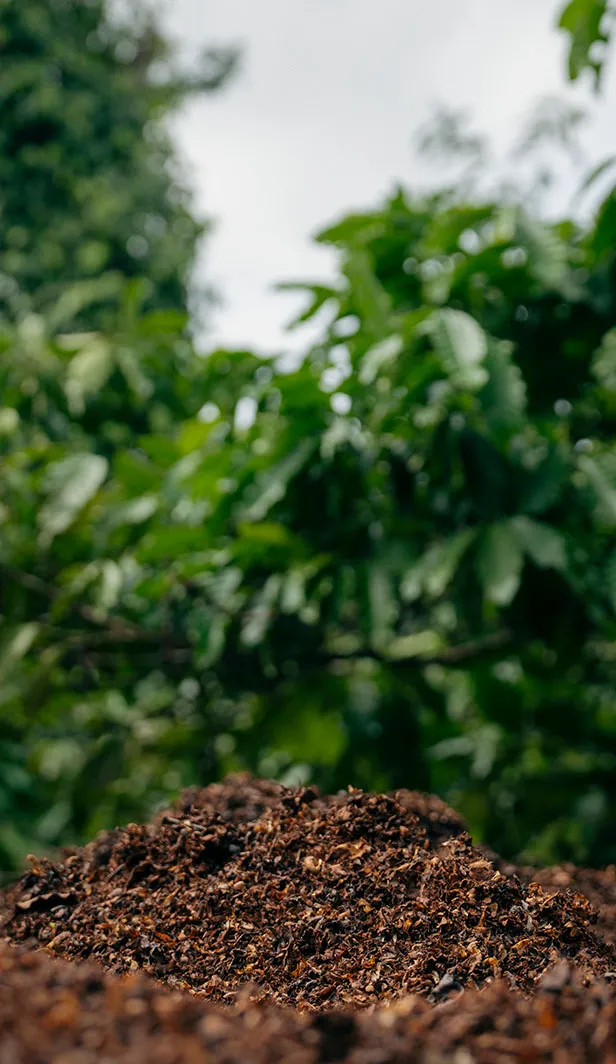
It’s a change in approach that embraces harmony. A simple example of how biodiversity practices have been applied in Dak Lak is allowing fallen leaves and grass cover to remain on the ground. This helps prevent erosion, supports soil health and creates a suitable place for microorganisms, all of which help farms ecosystem . “My hope for the future of biodiversity is that everyone in the community will have knowledge about it,” says Sâm.

FAQ

In line with the Sustainable Agriculture Initiative Platform, NESCAFÉ® defines “regenerative agriculture” as an approach to farming which aims, through practice adoption, to conserve and restore natural resources, primarily soil, as well as water and biodiversity, while capturing carbon in soils and plant biomass, and to support farmers’ livelihoods. Key practices promoted under the NESCAFÉ® Plan include efficient water use and optimised use of inputs.

Learn more: NESCAFÉ® Plan 2030 Progress Report 2025


See how we're growing coffee with nature
Discover how NESCAFÉ® supports coffee farmers in leveraging regenerative agriculture practices.
Image of a mountain in coffee growing region

Growing a Legacy in Coffee