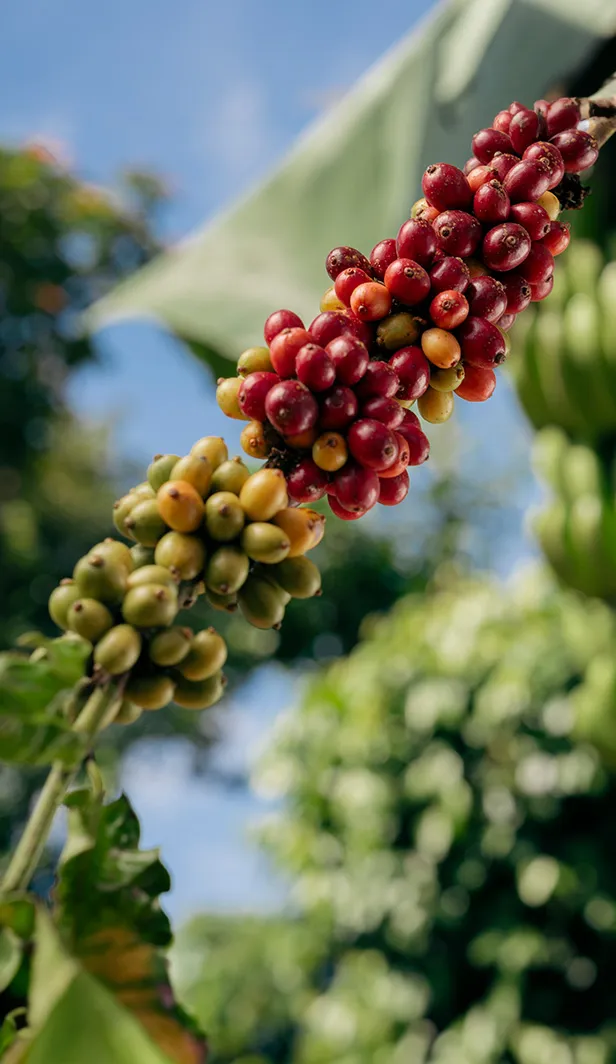
Empowering Coffee Farmers with Intercropping
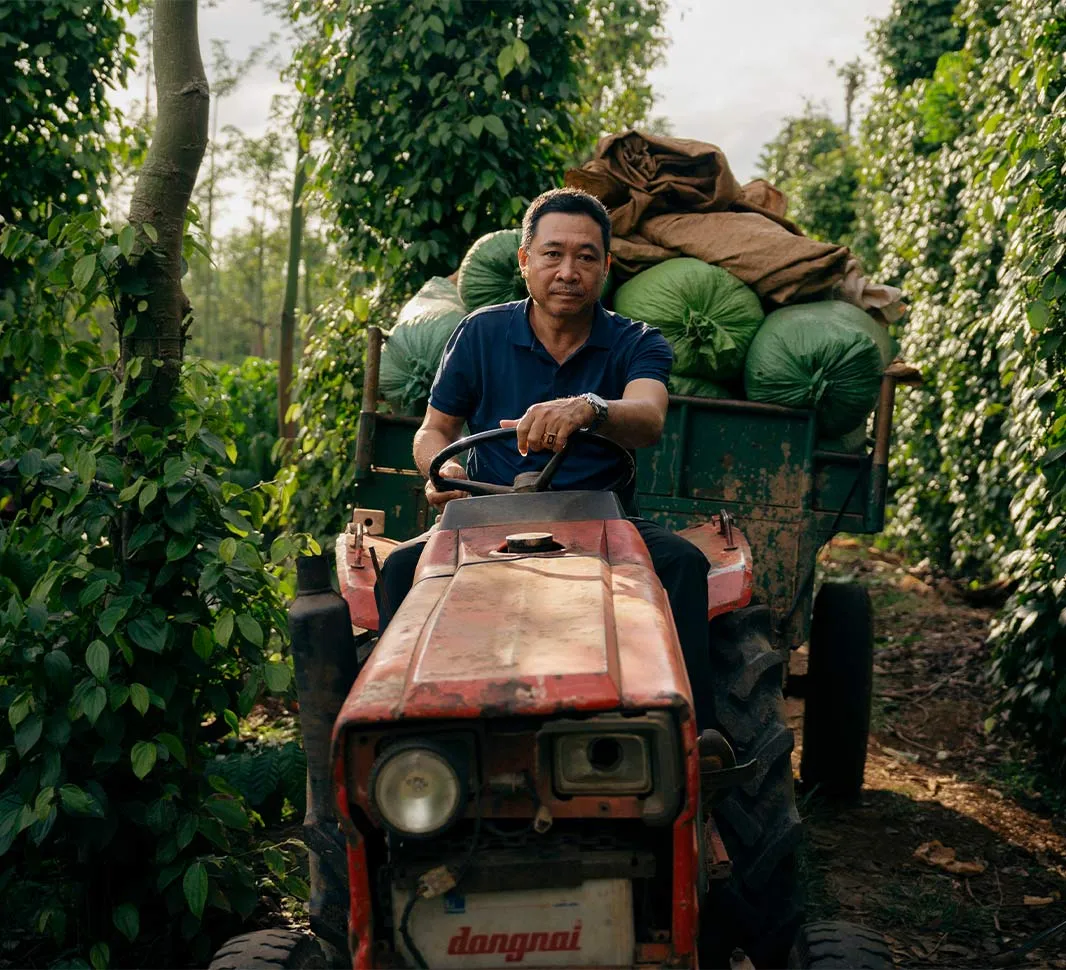
Local farmer, Dương Thanh Sâm, attended our training sessions to master this method. After introducing pepper and durian trees, he grew his income while still keeping the same great quality of his coffee.
By assisting farmers with innovative practices like intercropping we’re strengthening mutually beneficial collaborations. The quality of our coffee relies heavily on the expertise and dedication of the farmers who contribute to its production. We share insights not just to grow crops. We do it to grow the skills and help their livelihoods linked to their land.
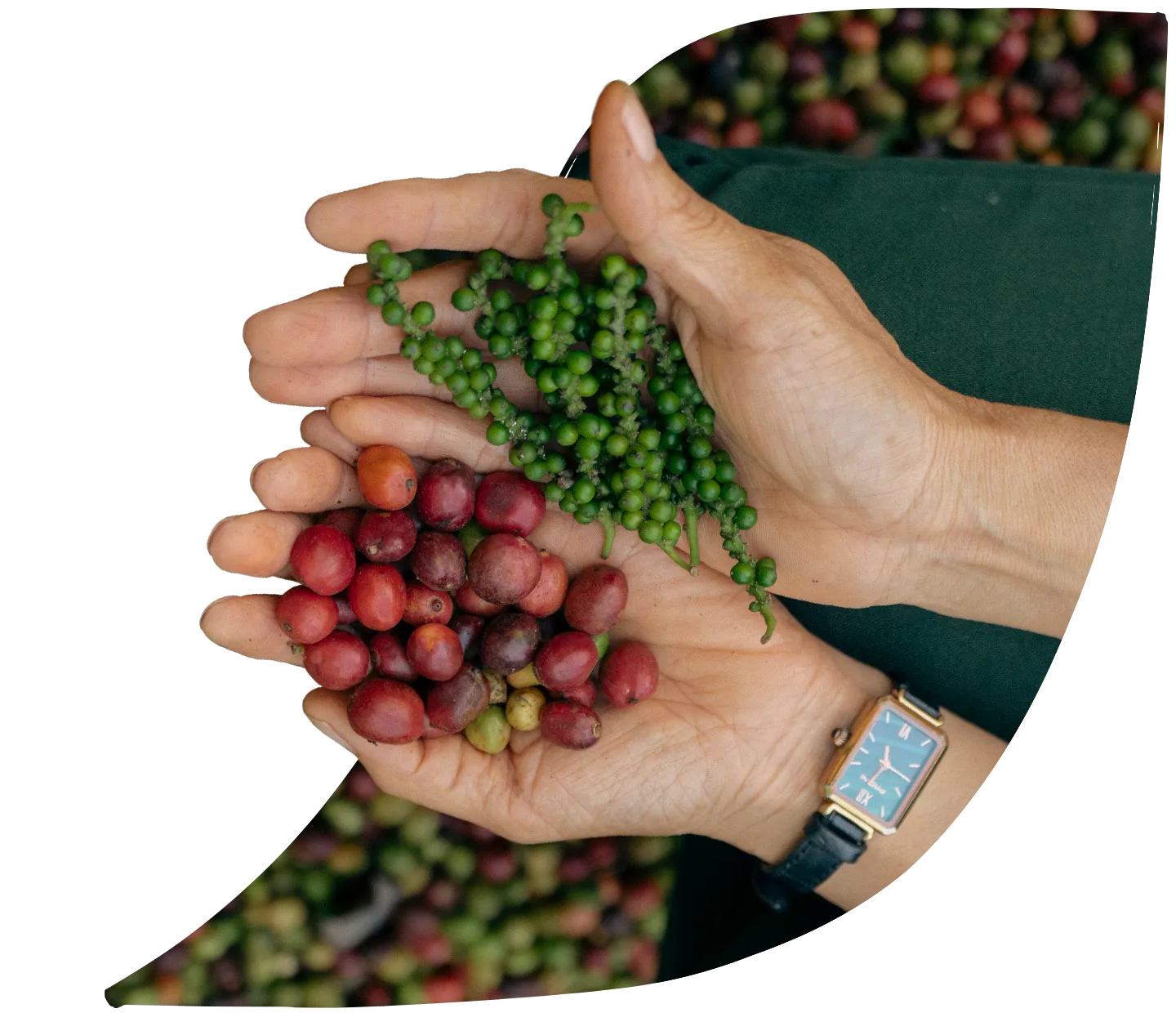
Crop rotation
Implementing regenerative farming practices like crop rotation in coffee farming can lead to increased yields, disease resistance, healthier soils, and reduced erosion.1
Intercropping is just one of multiple ways to implement regenerative agriculture practices; where diverse crops coexist harmoniously in shared fields and biodiversity. Through this approach, farmers help in enriching soil, making it easier to control pests, and fortifying crop resilience.
Why intercropping?
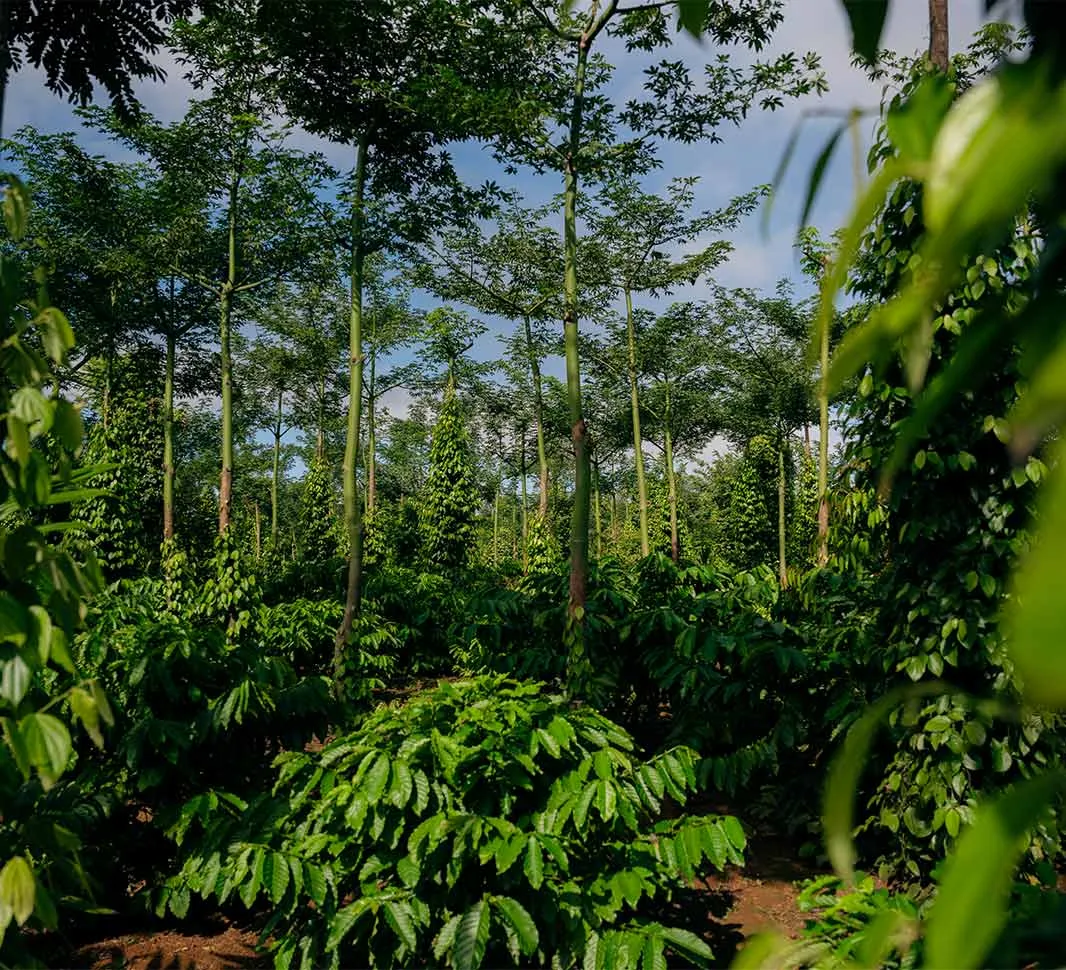
What does Intercropping mean to us?
FAQ
In line with the Sustainable Agriculture Initiative Platform, NESCAFÉ® defines “regenerative agriculture” as an approach to farming which aims, through practice adoption, to conserve and restore natural resources, primarily soil, as well as water and biodiversity, while capturing carbon in soils and plant biomass, and to support farmers’ livelihoods. Key practices promoted under the NESCAFÉ® Plan include efficient water use and optimised use of inputs.
Learn more: NESCAFÉ® Plan 2030 Progress Report 2025
See how we're growing coffee with nature