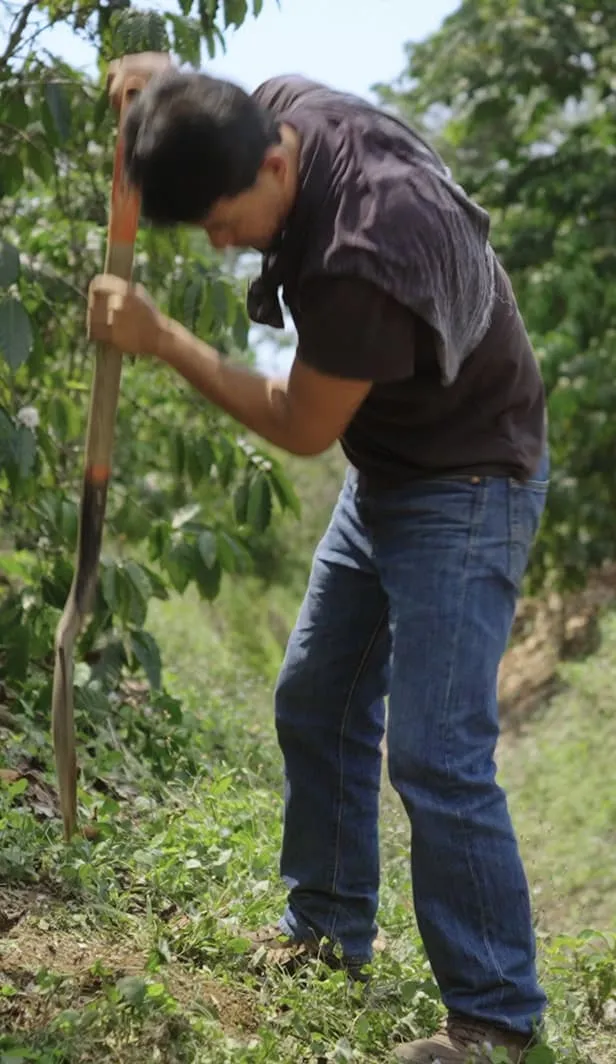

Coffee farm mulch
How carefully selected coffee varieties connect research with farmers’ needs

Seeds of change: from science to the field
5 min
Every coffee tree starts with years of careful research. New coffee varieties are developed and selected based on their suitability for local growing conditions, with the aim of supporting farmers in cultivating coffee adapted to the land and water available. Through long-term field trials, scientific studies and collaboration with farmers, these varieties are tested, adapted and shared where they can make a difference.

Explore more

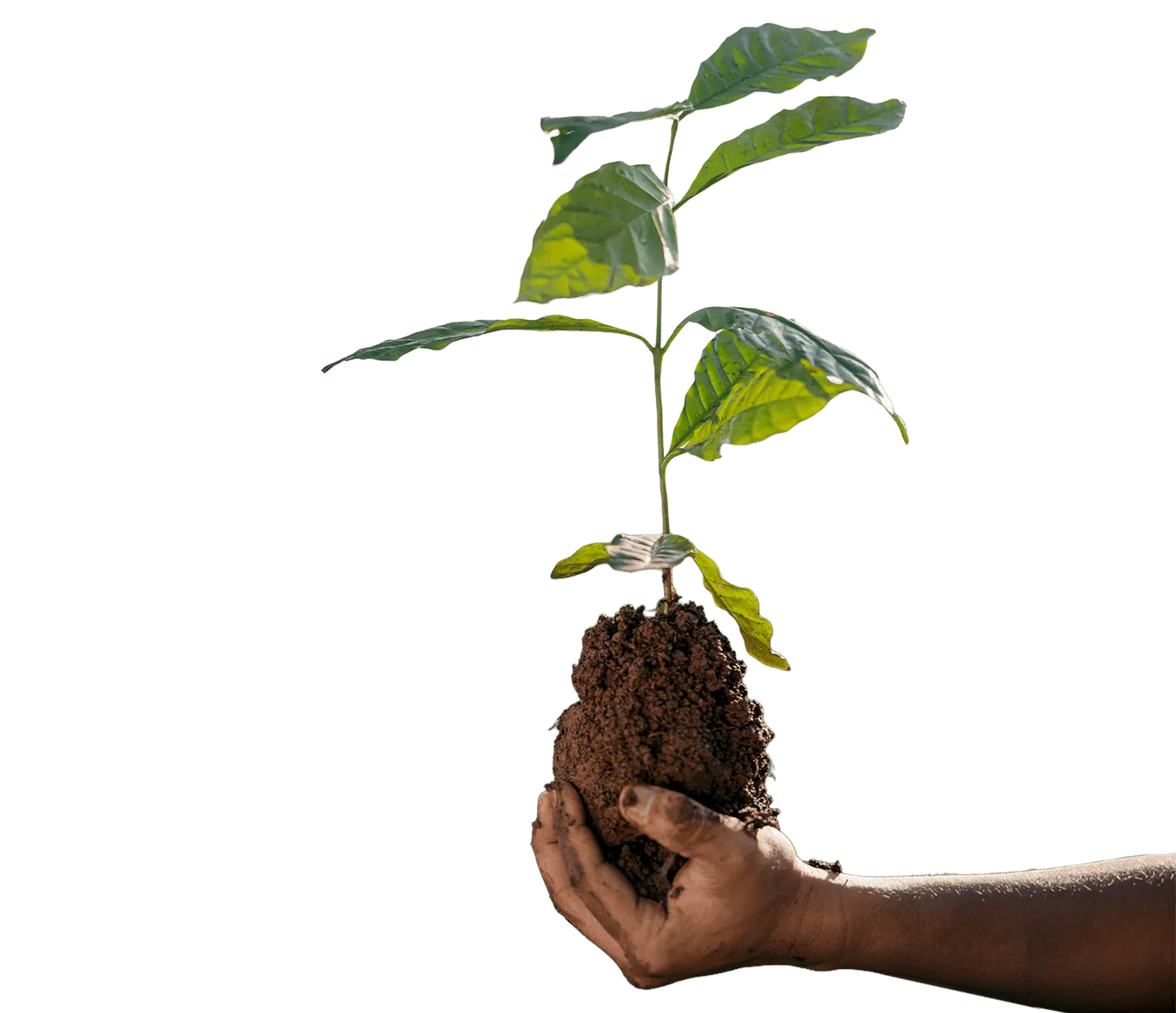
Hand holding a coffee seedling with exposed roots against a soil background
video-thumbnail
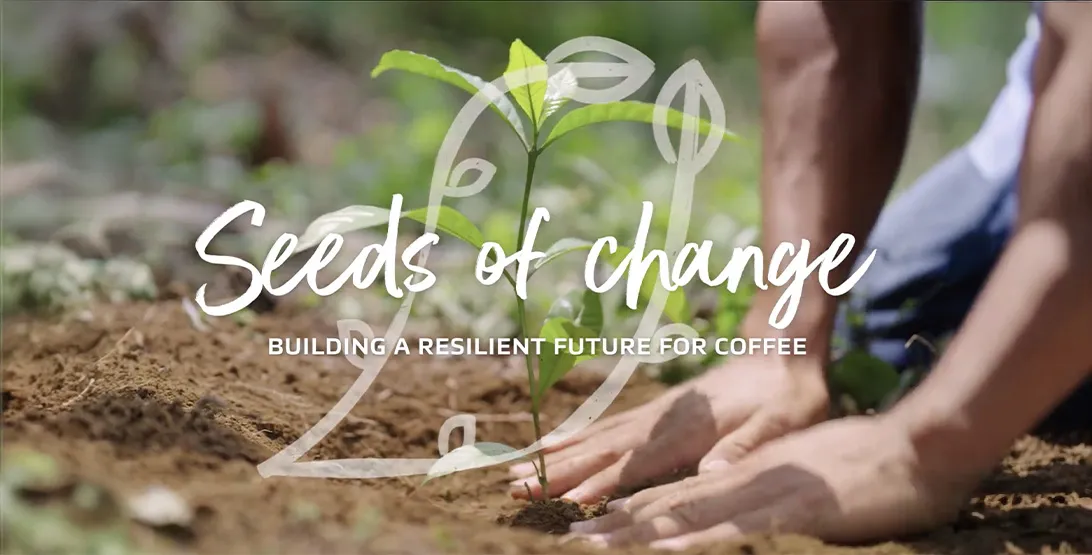
Seeds of change, creating resilient coffee plants
Watch the video
0:33

Where the journey begins

The journey starts at Nestlé's Research Centre in Tours, France, where coffee experts work with farms and partners around the world. Since the 1990s, the focus has been on developing coffee varieties for different growing conditions. Scientists study how plants perform in the field, while tasting teams help assess whether promising varieties can deliver the flavour people expect in their cup.
Researcher inspecting young coffee plants in a greenhouse

Coffee experts from Nestlé's Research Centre work with farmers and partners around the world

Coffee experts from Nestlé's Research Centre work with farmers and partners around the world

How new varieties are developed​

Creating new coffee varieties builds on classical plant breeding, carefully crossing parent plants to combine different plant characteristics. Promising candidates are first tested on experimental farms, then trialled in coffee-growing regions. Farmers play a central role in this process, sharing feedback on how new varieties perform in real conditions. Only those that meet field and quality criteria move forward.
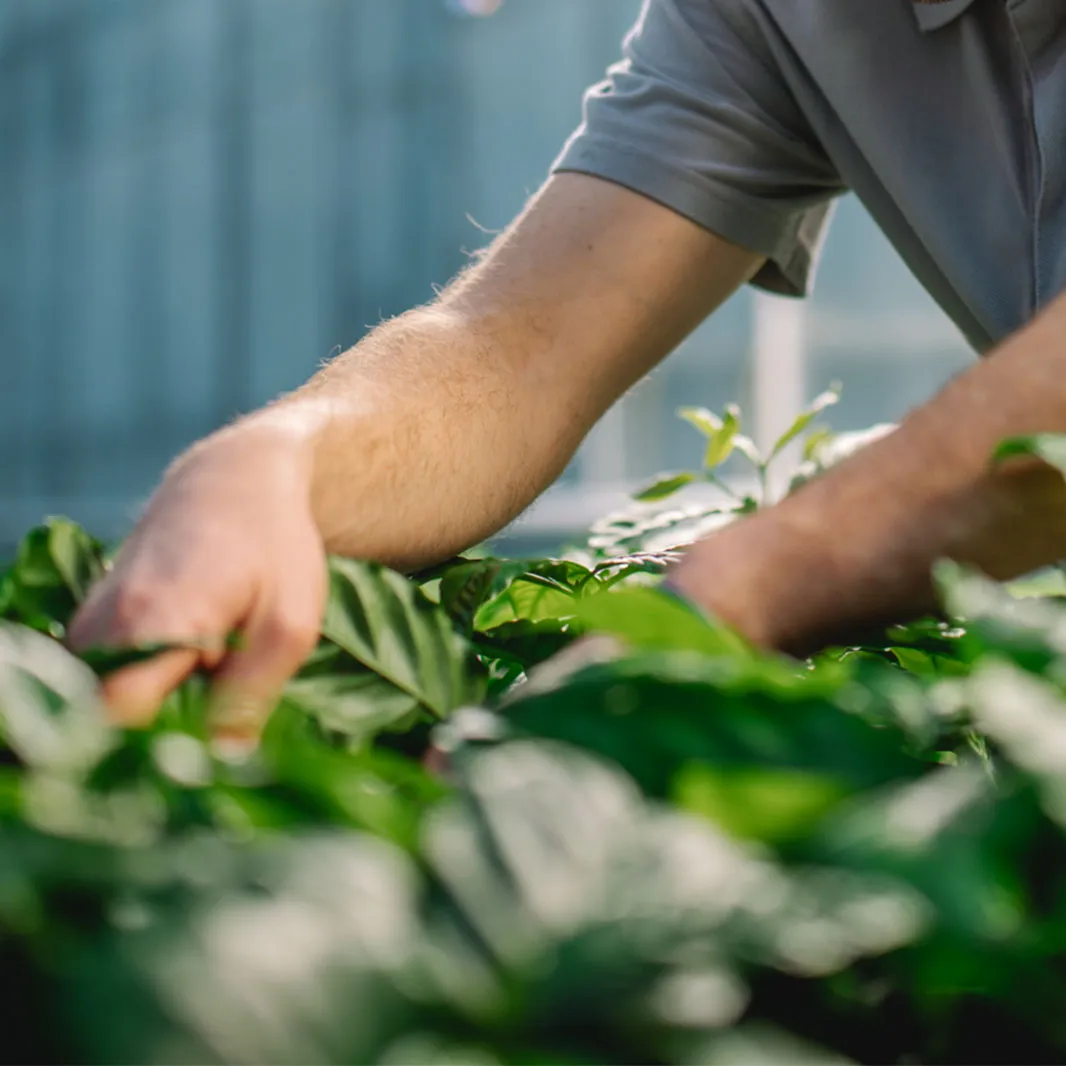
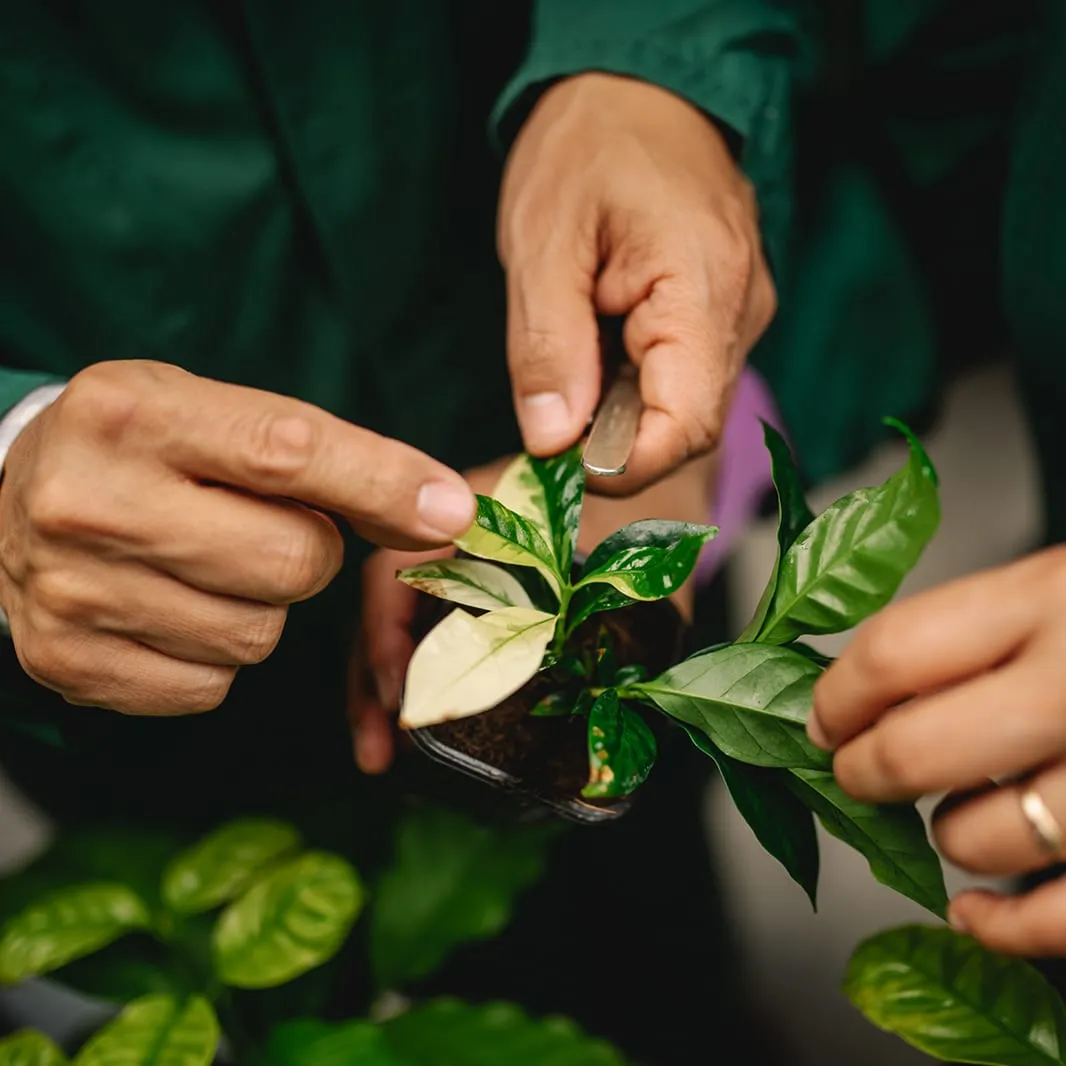
Researcher inspecting the coffee leaves

Different plant characteristics are combined by carefully crossing parent plants

Different plant characteristics are combined by carefully crossing parent plants

Designed for local needs​

Coffee is never one-size-fits-all. Once a variety has been evaluated in field conditions and is suited to local needs, it can be registered and prepared for wider distribution, including through NESCAFÉ® field programmes. The goal is to make plant material available that is suited to local climates, soils and farming practices. It's not a generic solution, but one shaped by local realities.
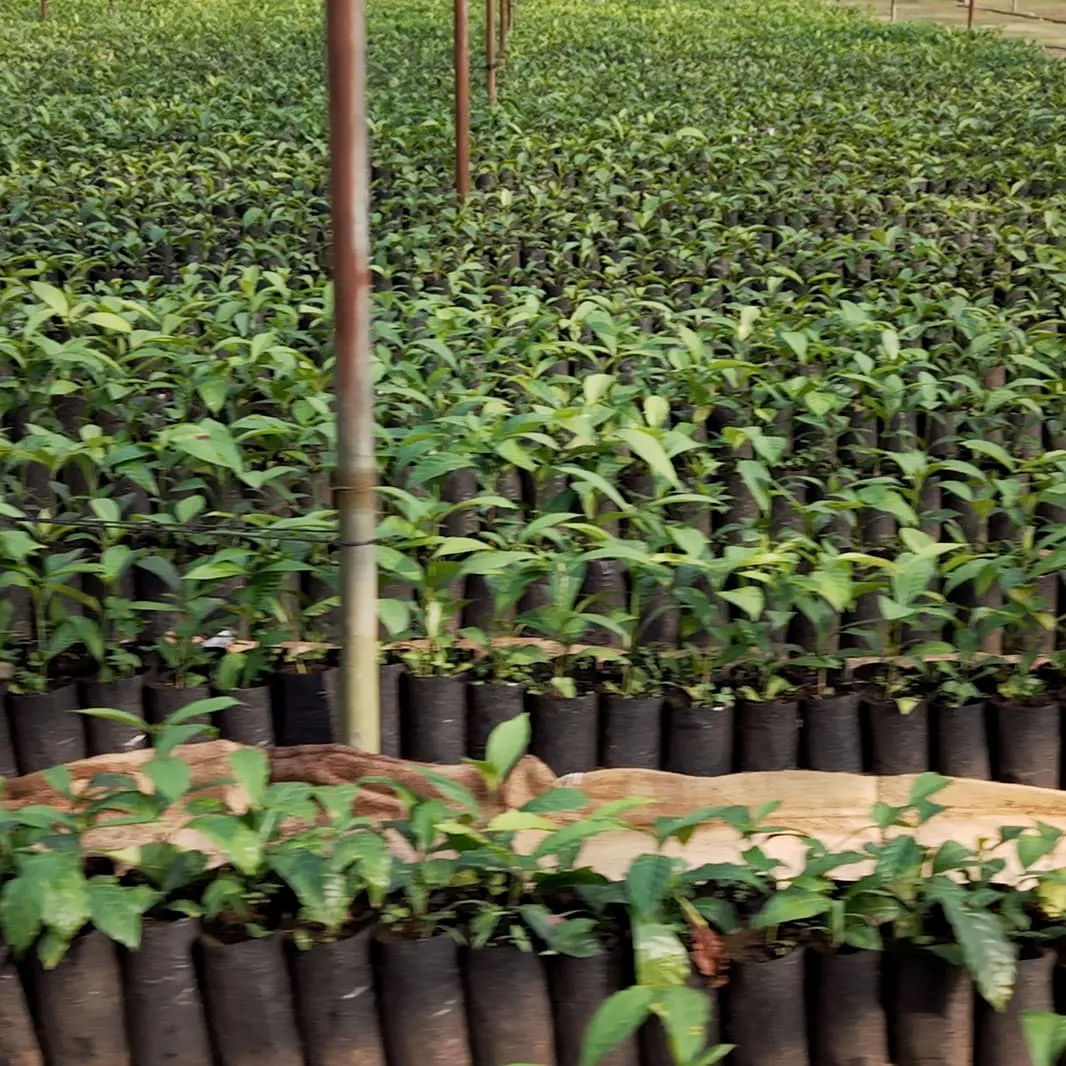
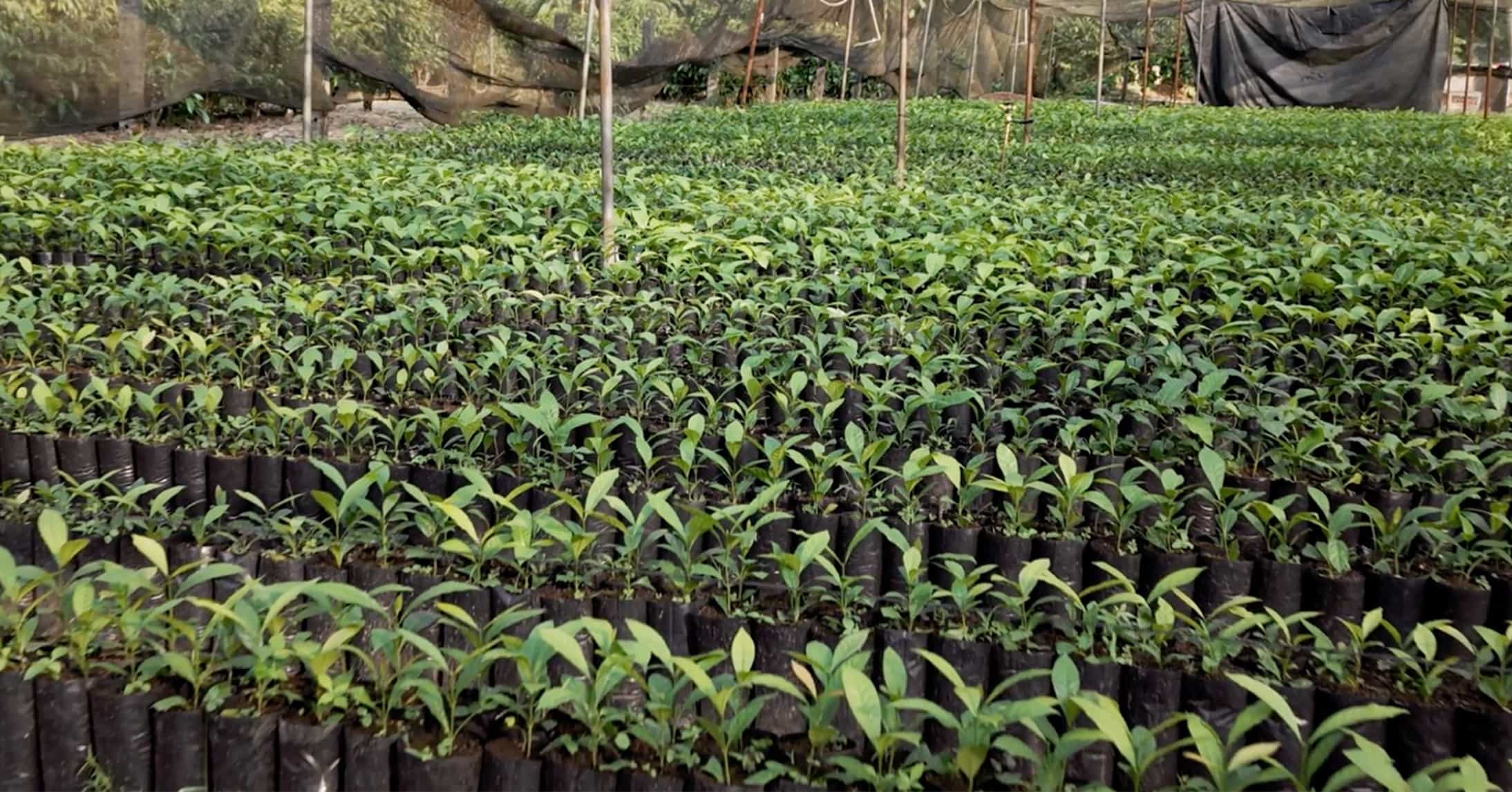
Coffee seedlings growing in nursery bags

New plant varieties are bred to suit local needs

New plant varieties are bred to suit local needs

From trials to fields
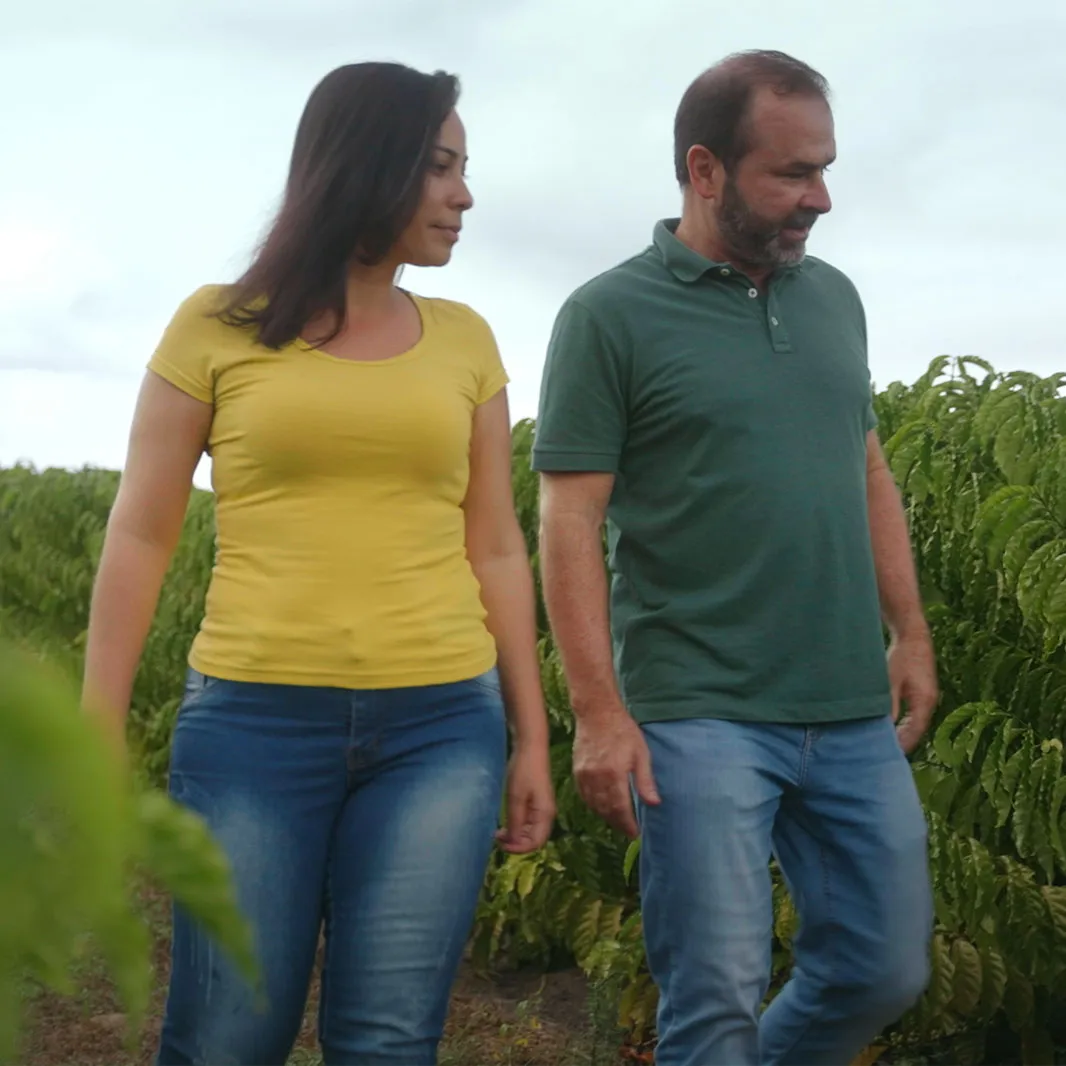
In Tezonapa, Veracruz (Mexico), agronomists supported farmers in planting more compact coffee trees. Where 600–700 trees once fit on a hectare, farmers were able to plant 1,200–1,300, allowing for higher planting density on the same land. These newer trees also began producing after about one year, compared to the usual two to three.*
Beyond Mexico, research continues through a global network of farms and trial sites, including work on Arabica and Robusta in Ecuador, Robusta in Thailand, and drought resilience in Côte d’Ivoire. These efforts help translate progress in the lab into practical contributions in the field.
Coffee farmers walking through a coffee plantation inspecting healthy coffee plants.

More plants are able to be planted on the same land

More plants are able to be planted on the same land

Science that scales
To strengthen crop-science expertise, the Nestlé Institute of Agricultural Sciences (NIAS) brings together specialists in breeding and field validation to support ongoing progress. In specific trials, two new Robusta varieties developed through classical breeding have shown up to 50% higher yield potential per tree compared to standard varieties. Under certain conditions, producing more coffee on the same land, with similar inputs, may contribute to reductions in the carbon footprint of green coffee by up to 30%.*

Since 2010, the NESCAFÉ® Plan has provided more than 310 million plantlets to farms across 10 countries, including approximately 20 million in 2025 alone. Each variety is chosen to suit local growing conditions, whether developed by NESCAFÉ® or in partnership with other institutions.

*Results are based on specific trial conditions and may vary depending on local climate, soil and farming practices.
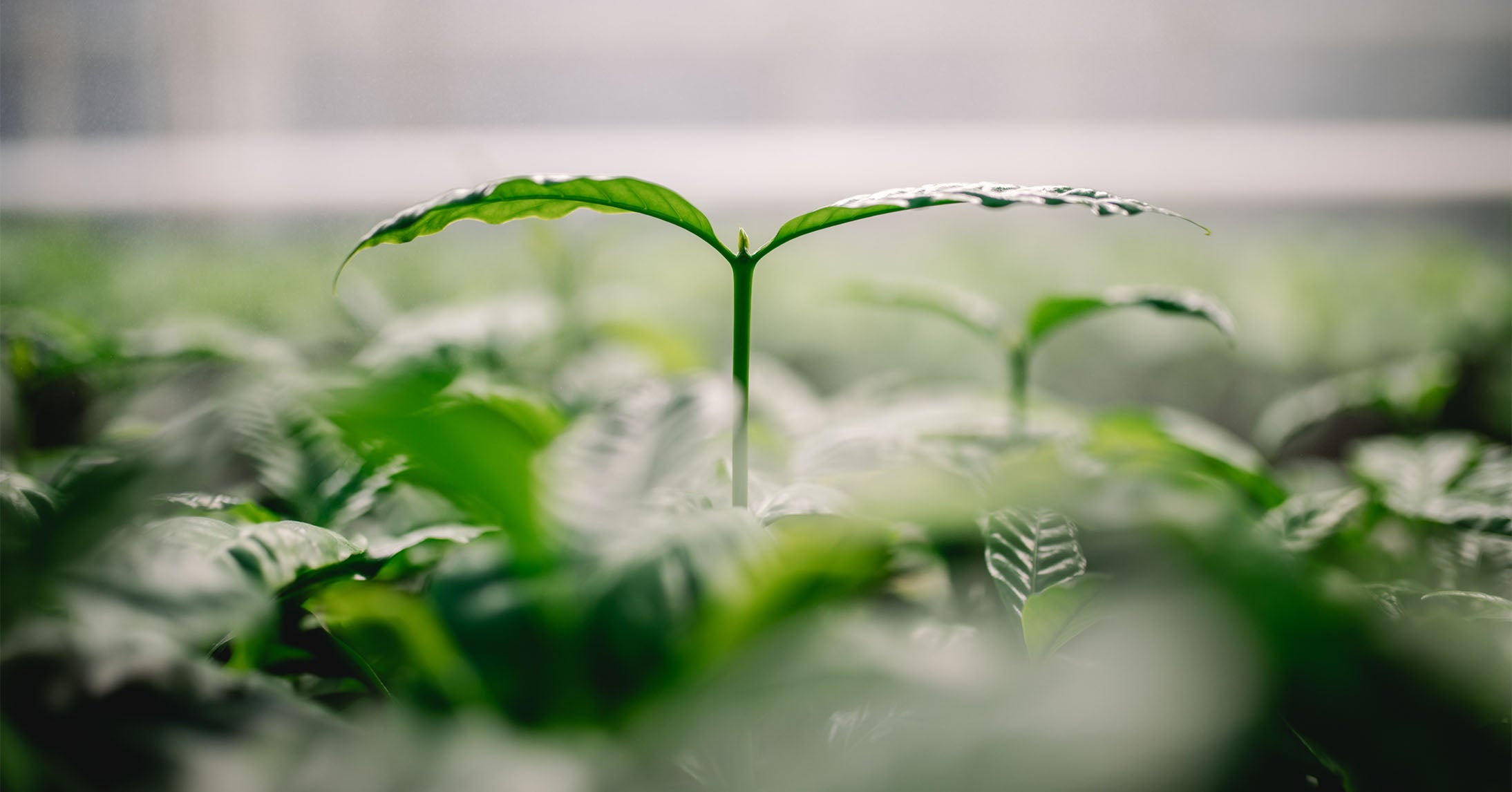
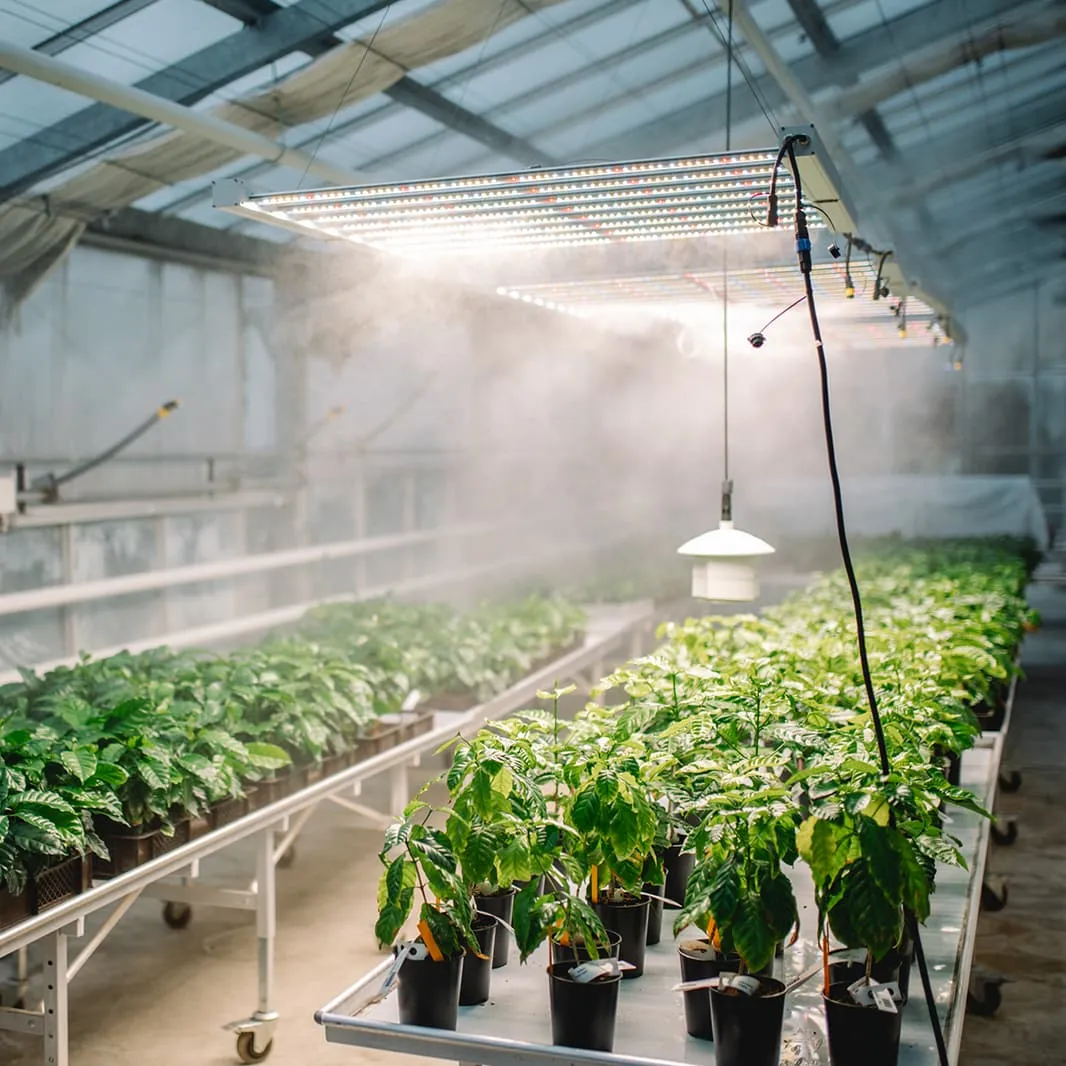
Young coffee plants growing inside a greenhouse

Crop-science expertise is strengthened by bringing together breeding and field validation specialists

Crop-science expertise is strengthened by bringing together breeding and field validation specialists

Looking forward

Plantlets are where science meets the field. They help farmers renew ageing plots and maintain their coffee crops with trees selected for local conditions. From breeding and testing to farmer feedback and country registration, each step is connected. Together, this creates a more joined-up approach, linking research to what's happening on the ground, so each cup of NESCAFÉ® is connected to the work at origin.

*Results are based on specific trial conditions and may vary depending on local climate, soil and farming practices.

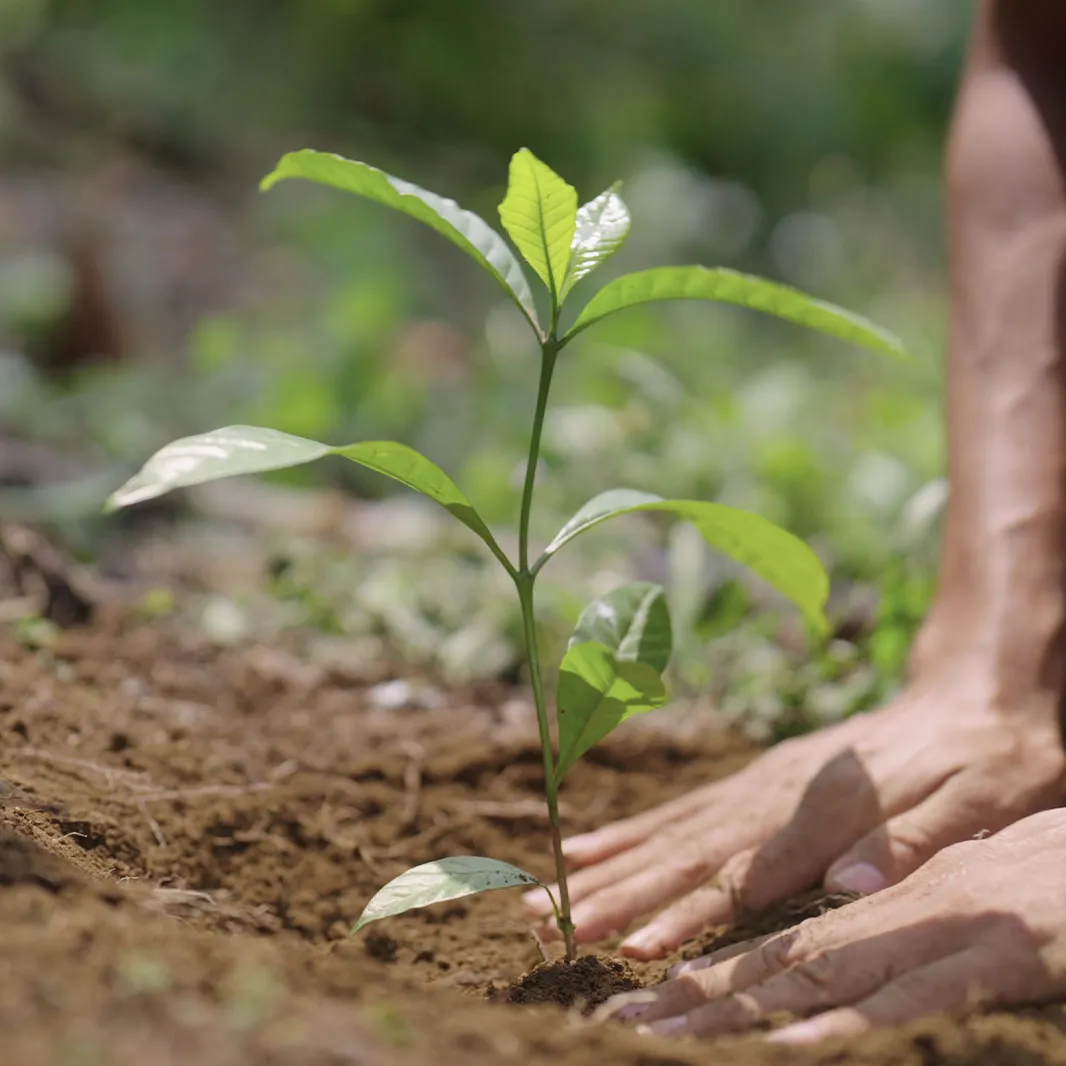
A person planting a young coffee seedling into the soil by hand

Plantlets link research to the what's happening on the ground
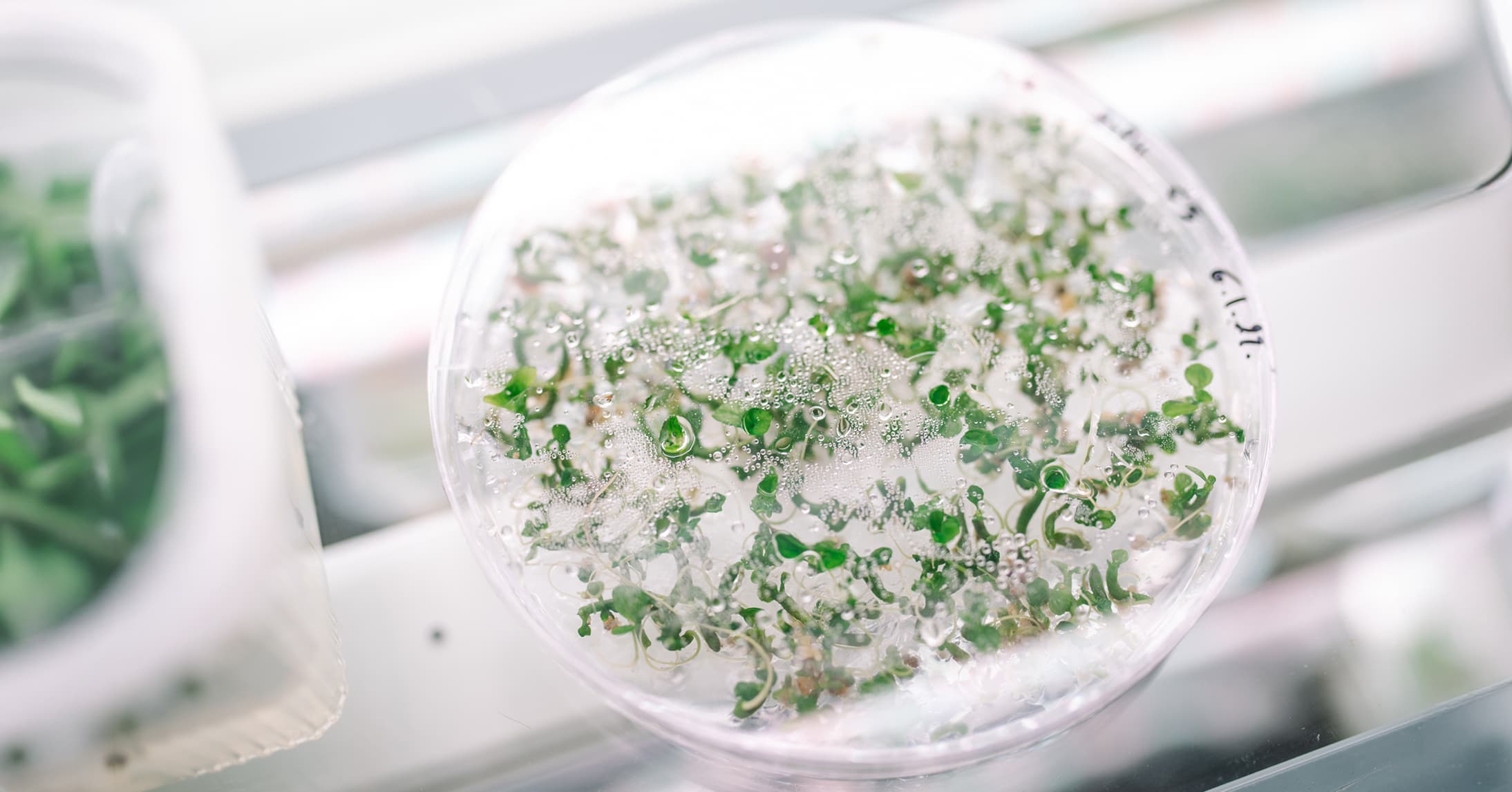
Plantlets link research to the what's happening on the ground
Explore how we are supporting regenerative agriculture
Discover how NESCAFÉ® supports coffee farmers in leveraging regenerative agriculture practises to work in harmony with nature.
Image of a mountain in coffee growing region

Growing coffee in harmony with farmers and nature