Plants that help our farmers grow
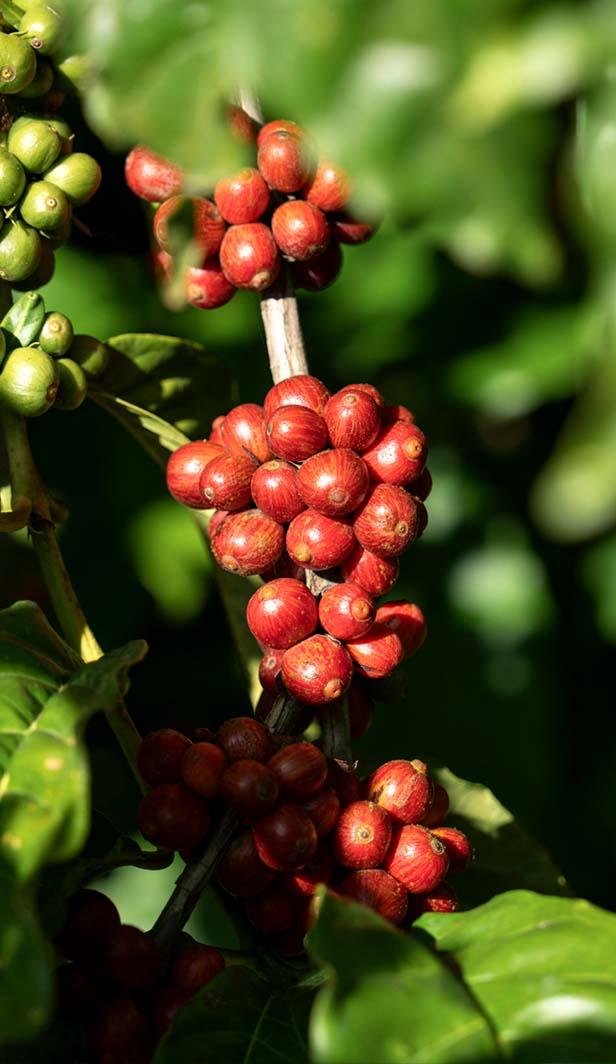
When we enjoy a delicious cup of NESCAFÉ® it can transport us to the lush, fertile fields where coffee is grown and harvested. For the farmer, however, the situation can be a little more complex. Climate change can reduce the volume of coffee grown with less fertile land available and water shortages. Coffee trees naturally take some years to begin producing beans, and can be more vulnerable to pests and diseases in harsher conditions.
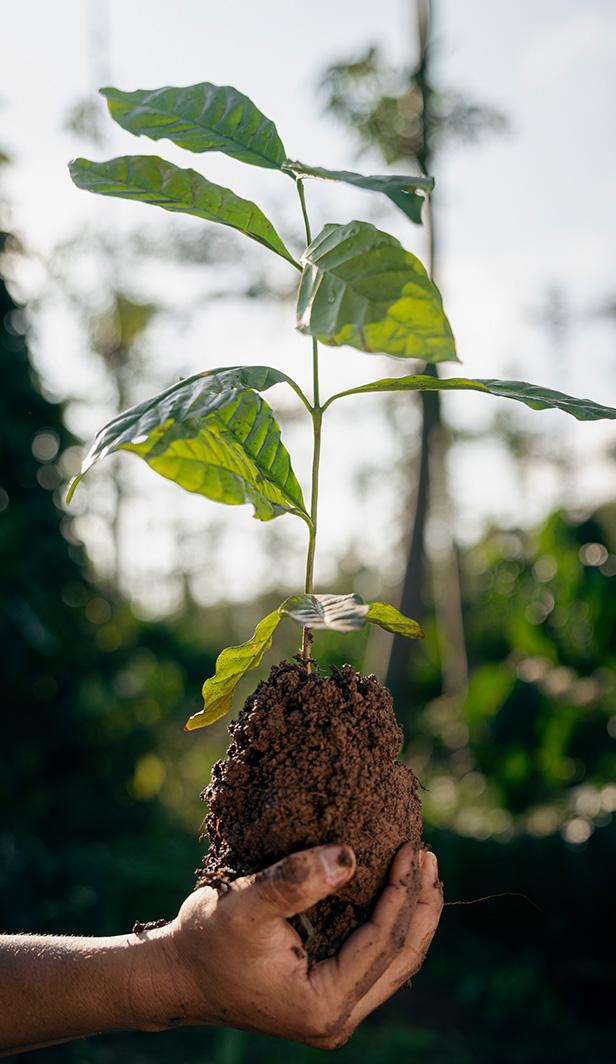
Since 2010, NESCAFÉ® helps farmers grow more resilient crops by distributing plantlets of improved varieties that can better resist the effects of climate change, and by being more productive. These plantlets help reduce carbon emissions by producing more coffee using the same amount of land and inputs. It’s a little step forward that helps farmers grow more resilient coffee and contribute to a better future for coffee farmers to improve their livelihoods and income.
Never fear, the plantlets are here
NESCAFÉ® scientists in Tours, France, started working on Arabica and Robusta coffee plant science as far back as 1986. Over the course of several decades, researchers tested the best performing plant varieties in real life conditions on local experimental farms across the globe.
Certain varieties show up to 50% higher yields per tree, when compared to other varieties. These higher-yield coffee varieties can potentially reduce the CO2e (carbon dioxide equivalent) footprint of the coffee beans by up to 30% in comparison to coffee beans grown by lower-yield coffee varieties. Simply put, more coffee is produced using the same amount of land, fertilizer, and energy.
Distributing Plantlets
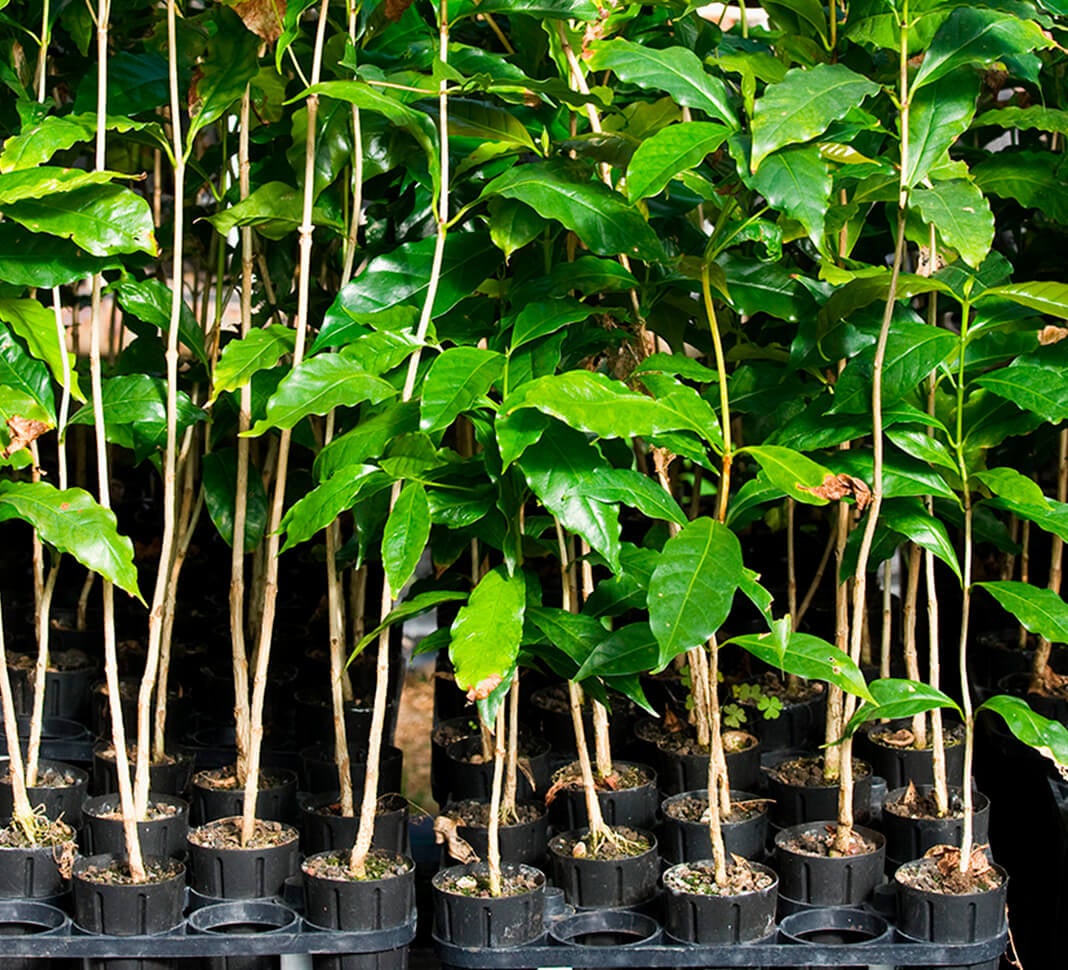
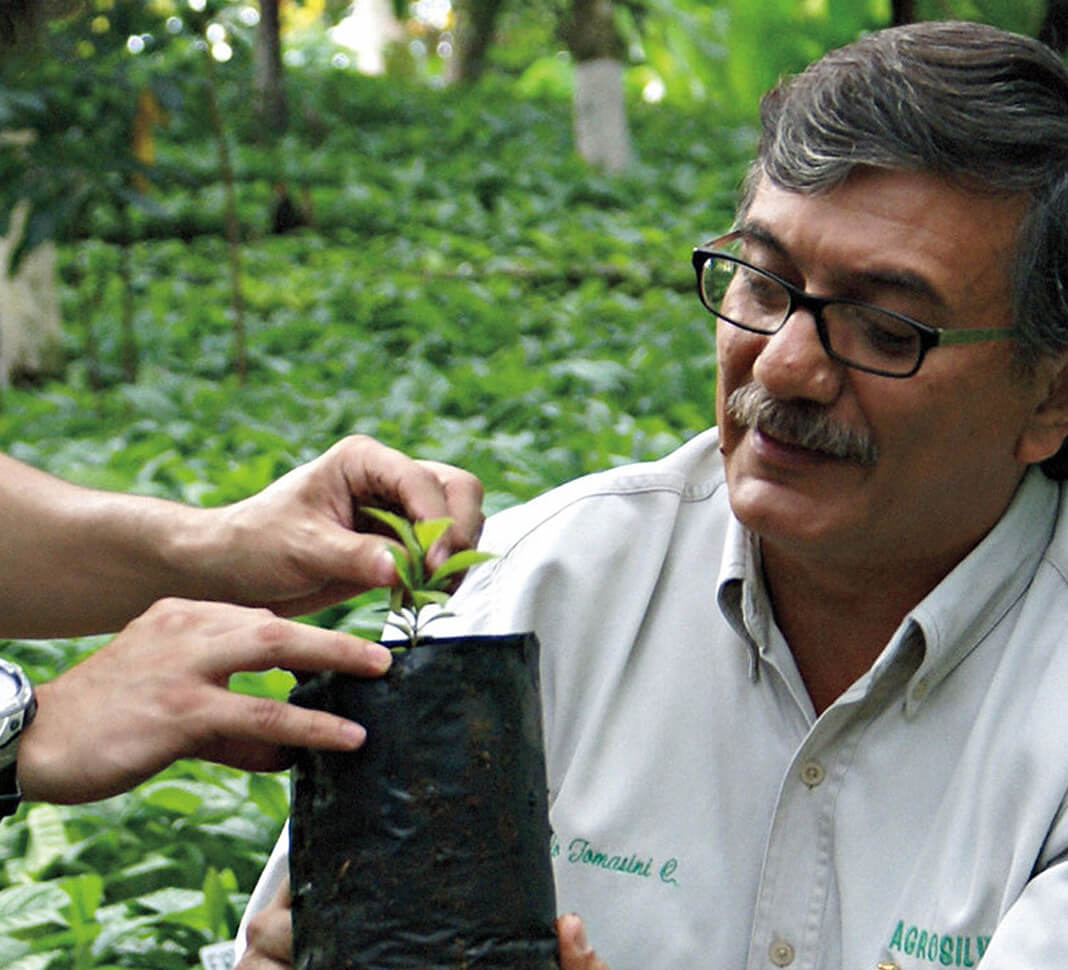
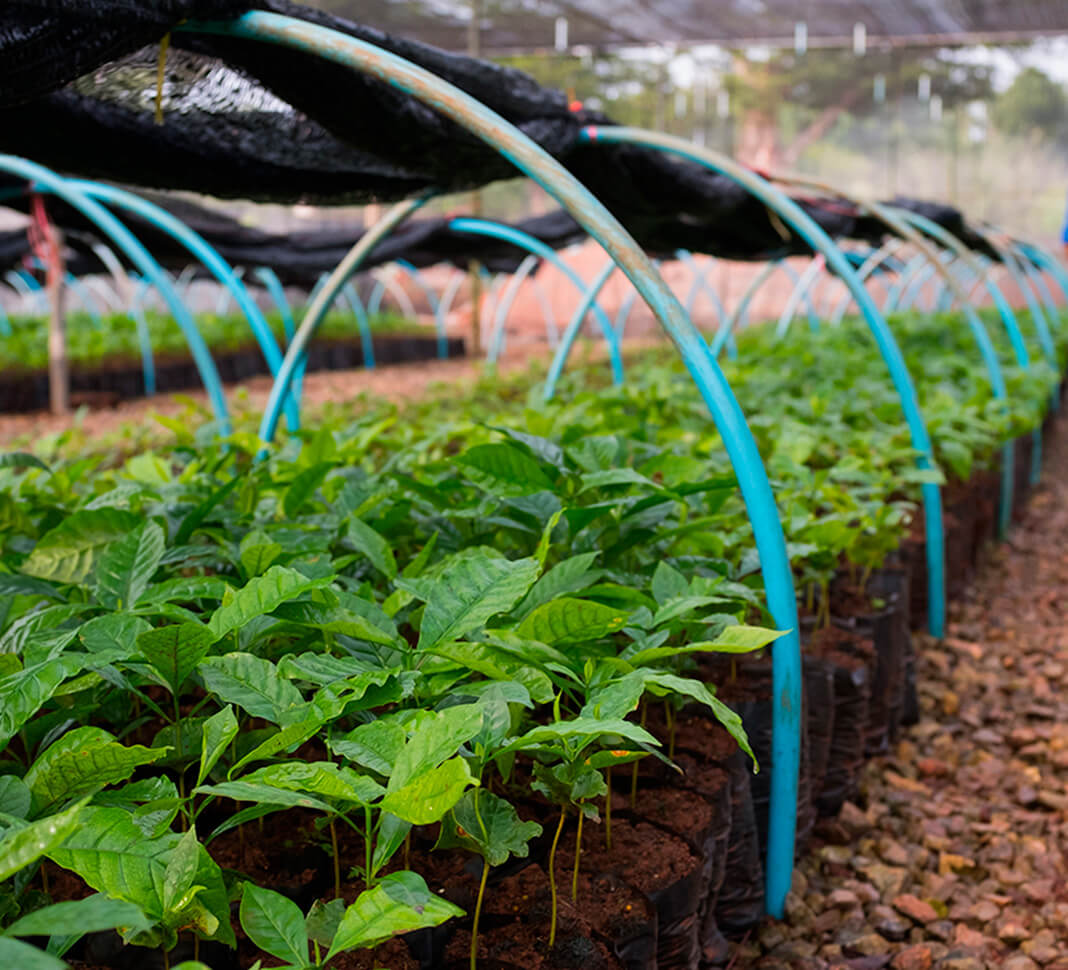
Since 2010, NESCAFÉ® has distributed over 335 million coffee plantlets to coffee farmers, and continues to distribute millions more, each year. Besides helping farmers to improve productivity and renovate their coffee trees with improved varieties, plantlets also can help farmers make better use of their land.
In Colombia, between 2010 and 2012, climate change and rising temperatures made coffee trees vulnerable to leaf rust disease. Faced with hard choices, and the possibility of clearing native forests to plant more coffee, farmers with NESCAFÉ®’s support avoided taking drastic measures by renovating their farms with improved disease-resistant coffee plantlets.
Growing coffee and livelihoods across the globe
In Mexico, during the coffee rust crisis of 2012-2015, a fungus devastated crops and threatened livelihoods. NESCAFÉ® distributed more than 37 million new disease-resistant coffee plantlets to over 33,000 farmers, and helped the farmers tend to these new plantlets.
It's not the size of the farm, it’s how you use it
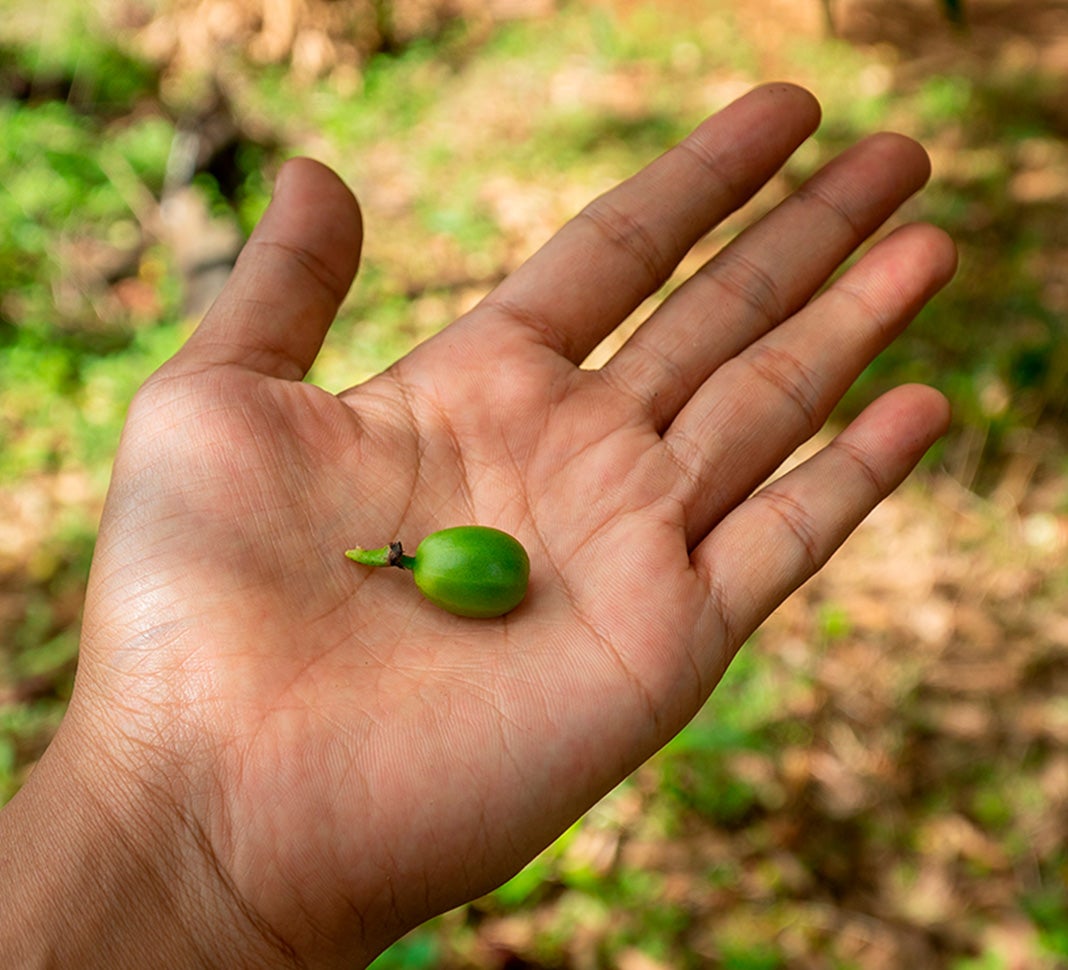
Not all coffee farms are created equal. NESCAFÉ® collaborates closely with farmers to understand their specific challenges in their region. Some coffee trees grow tall up to two-to-three meters, making it difficult to care and harvest them.
In Mexico, NESCAFÉ® agronomists helped improve yields by supplying smaller coffee trees. Where 600–700 plants could fit in a single hectare, farmers could now fit 1,200–1,300, practically doubling production on the same land. In addition, where the older plants took up to three years to produce, the newer plants started producing after just one year.
FAQ
In line with the Sustainable Agriculture Initiative Platform, NESCAFÉ® defines “regenerative agriculture” as an approach to farming which aims, through practice adoption, to conserve and restore natural resources, primarily soil, as well as water and biodiversity, while capturing carbon in soils and plant biomass, and to support farmers’ livelihoods. Key practices promoted under the NESCAFÉ® Plan include efficient water use and optimised use of inputs.
Learn more: NESCAFÉ® Plan 2030 Progress Report 2025
Today’s community favourites
Discover some of the most enjoyed articles from across the site