

Supporting Coffee Farming In Brazil
Growing Coffee with Regenerative Agriculture Practices on Brazilian Coffee Farms
2
min
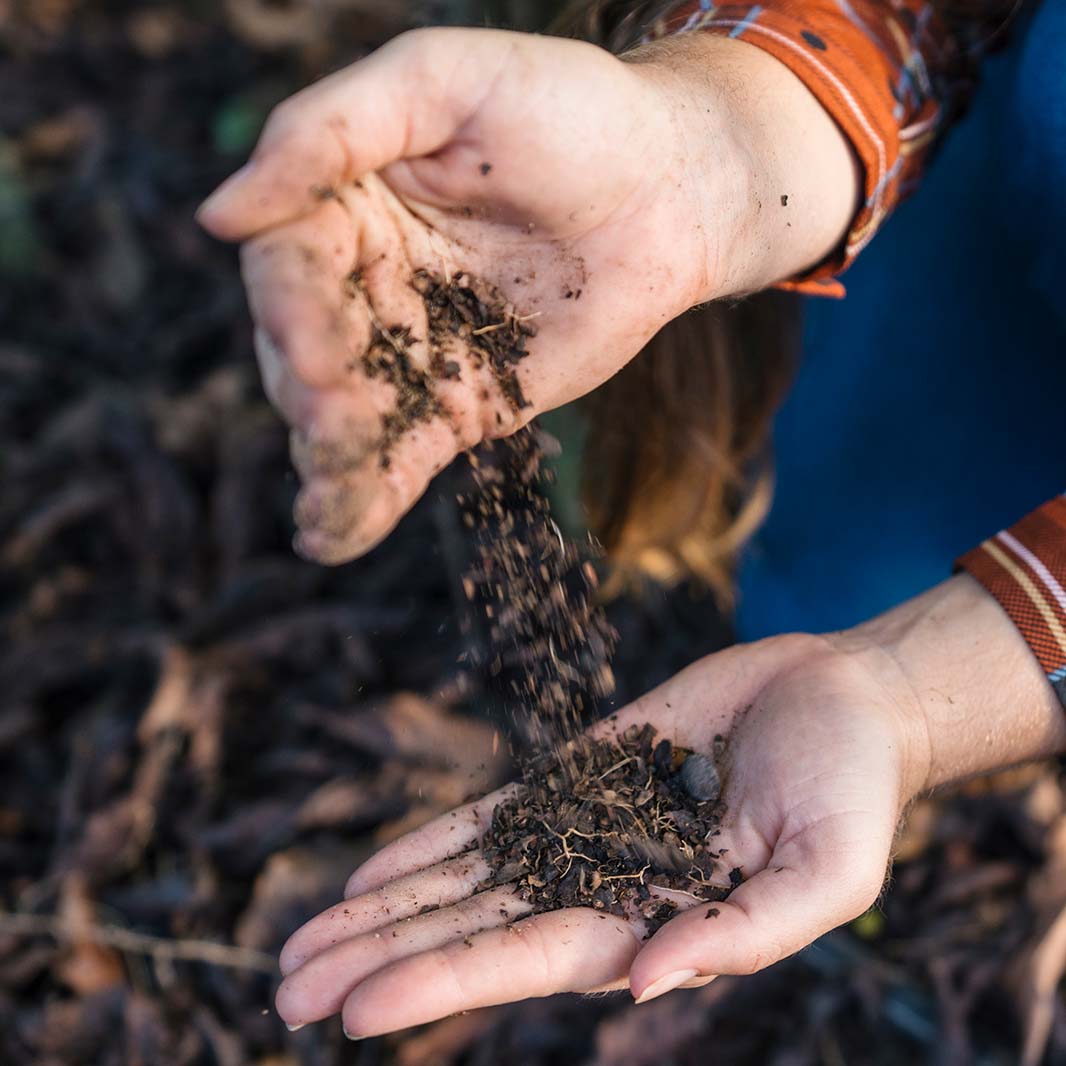
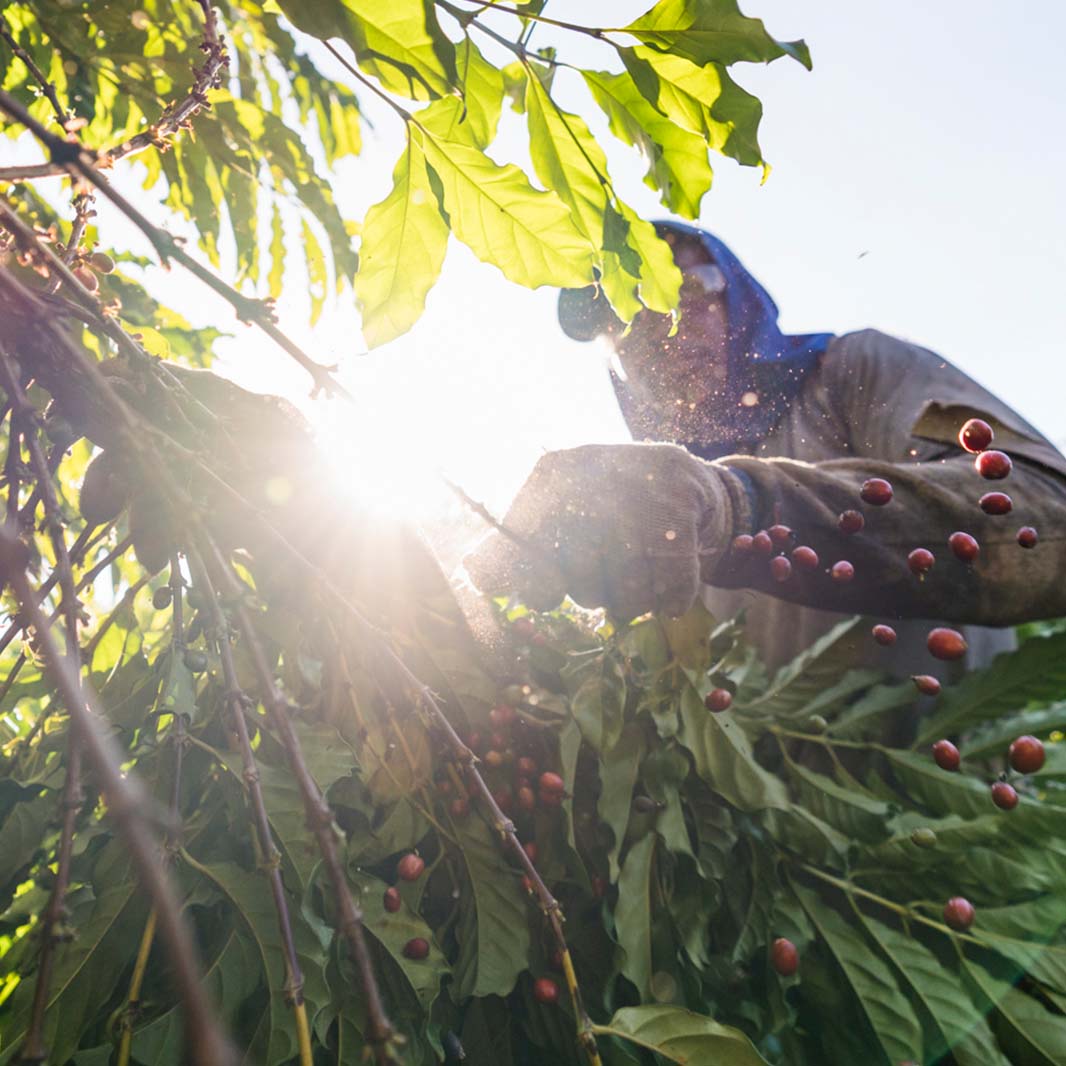
Regenerative agriculture practices aim to conserve and restore natural resources and farmland, while also enhancing soil health, soil fertility, biodiversity and water cycles. These practices work towards reducing farming carbon emissions while support farmers, communities and local ecosystems.

Real results
We support a network of farmers across the globe, encouraging adoption of regenerative agriculture practices. Some of the promoted practices, like improving organic matter in the soil, might take several years to produce measurable impacts, while others, like optimising fertilisation, have more immediate tangible results. Brazilian farm manager Luiz Santos knows this. “The results are very good, very positive,” he says.
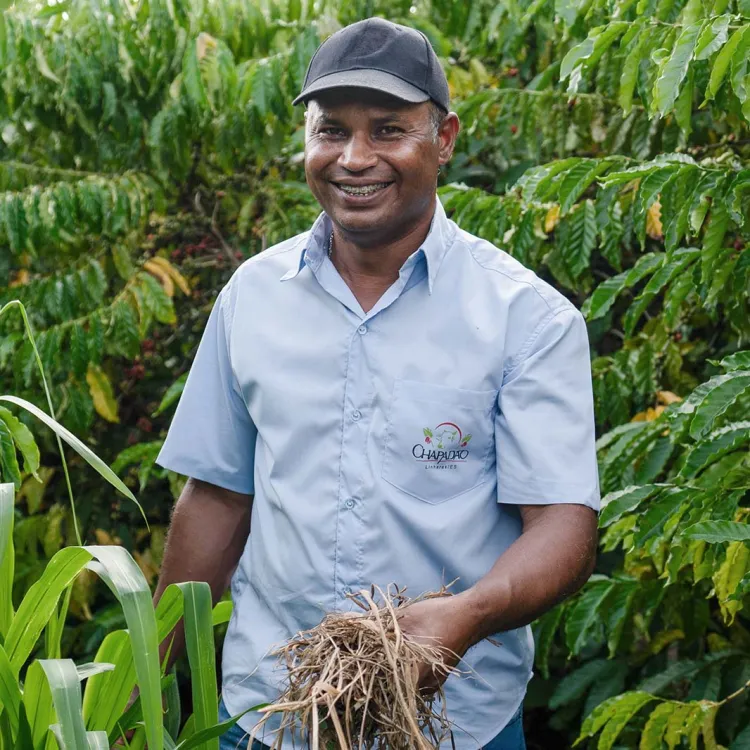
"Regenerative agriculture doesn’t focus solely on the coffee; it looks at everything around it, including trees, water, and surrounding plants.”

Watch the video
1:31


Holistic impact
Luiz grew up on the Fazenda Chapadão, and has managed the farm for nine years. "Regenerative agriculture doesn’t focus solely on coffee crops,” he explains. “It takes in everything, including trees, water and surrounding plants.” He believes that regenerative agriculture practices support soil health, improving his coffee trees’ resilience.
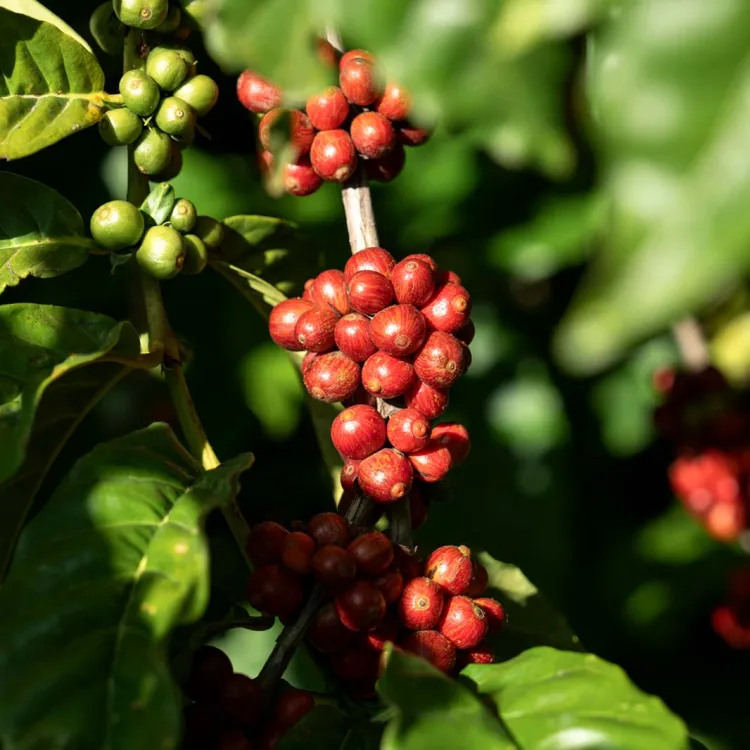
All-round improvements
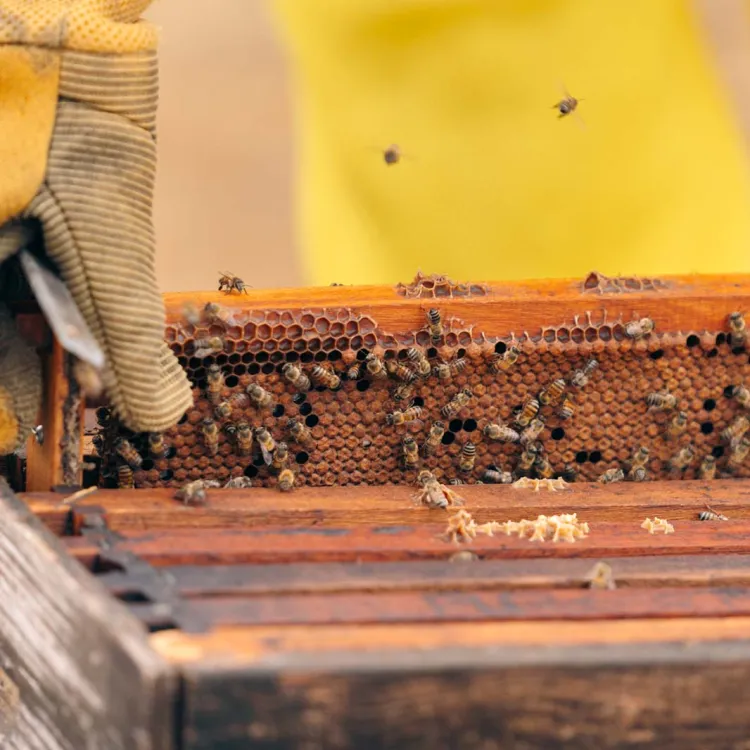
Luiz employs many techniques that are specific to his needs. He plants herbs to preserve water and trees to maintain soil cover. He relies on his bees too. “They create uniform flowering and very good pollination, improving the quality of the harvest,” he explains. Luiz knows that his farming methods are having an impact. “Our goal when working with NESCAFÉ® is to use regenerative agriculture practices wherever possible, for example by following the specific soil, water and biodiversity practices defined under the NESCAFÉ® Plan and in so doing, improve the coffee,” he says.
FAQ
In line with the Sustainable Agriculture Initiative Platform, NESCAFÉ® defines “regenerative agriculture” as an approach to farming which aims, through practice adoption, to conserve and restore natural resources, primarily soil, as well as water and biodiversity, while capturing carbon in soils and plant biomass, and to support farmers’ livelihoods. Key practices promoted under the NESCAFÉ® Plan include efficient water use and optimised use of inputs.
Learn more: NESCAFÉ® Plan 2030 Progress Report 2025
See how we’re supporting soil and biodiversity on coffee farms
Discover how NESCAFÉ® supports coffee farmers in leveraging regenerative agriculture practices.