
How shade trees help support coffee plants and biodiversity
Beneath the shade, coffee grows stronger
5
min
In many coffee-growing regions, trees are more than part of the scenery: they’re part of how coffee is grown. Growing coffee beneath shade trees, a practice known as agroforestry, helps create more balanced growing conditions for coffee plants. Shade can soften intense sun and wind, help maintain soil, and encourage more life into the landscape. The result is a more balanced environment for coffee to grow, which can help support farms.


Shade, a natural ally for coffee farms
Watch the video
0:55
Shade, soil, and stored goodness
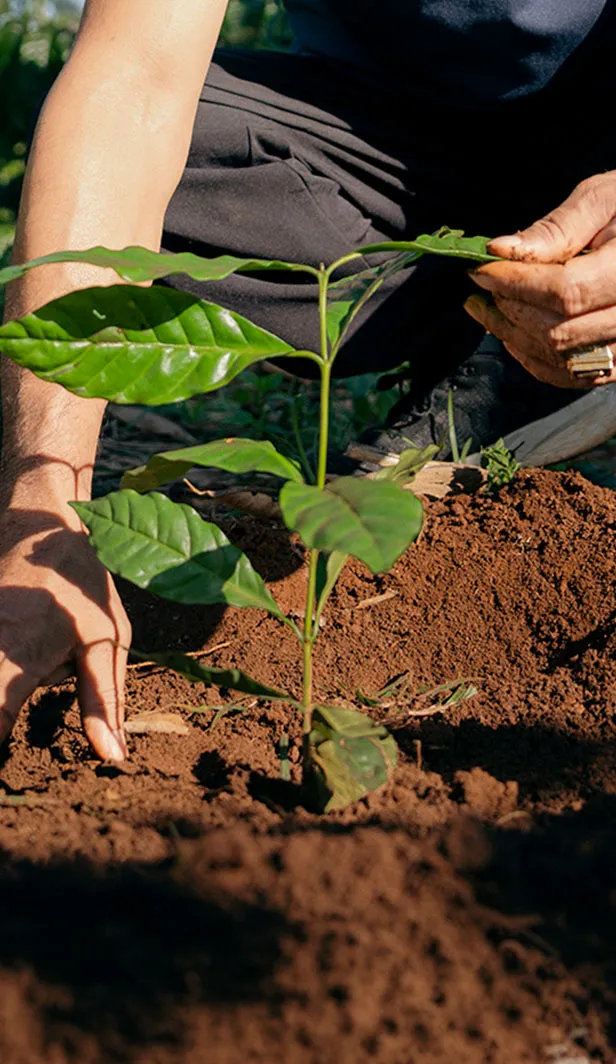
When coffee grows beneath shade trees, falling leaves and roots add organic matter to the soil, helping nourish soil life and maintain its natural structure. More plant cover means less bare ground, which can help reduce erosion and support soil health. By softening direct sun and heavy rain, shade can also help soils retain moisture for longer, offering a natural buffer during dry periods.
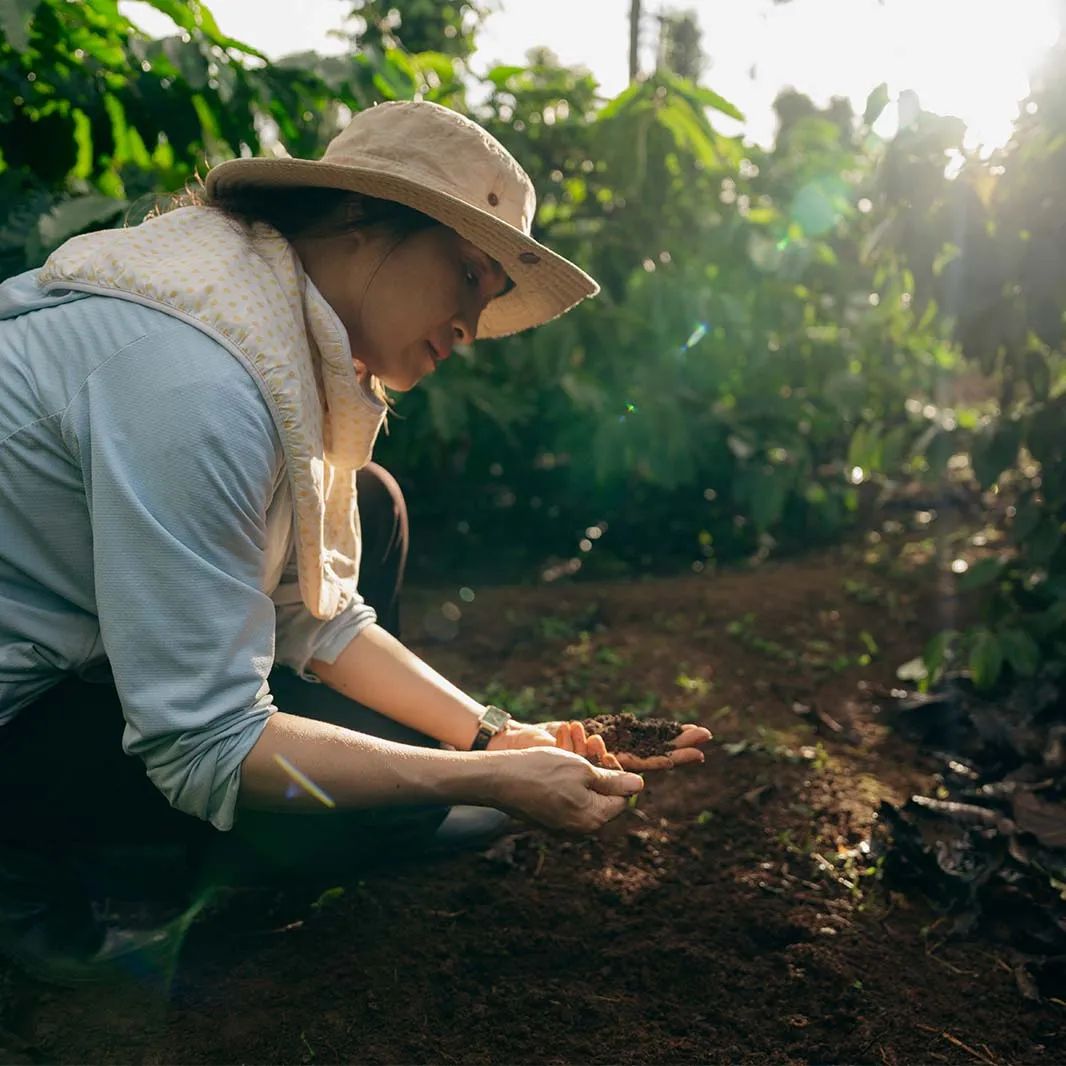
Falling leaves and roots help nourish soil
A cooler microclimate and steadier fruit
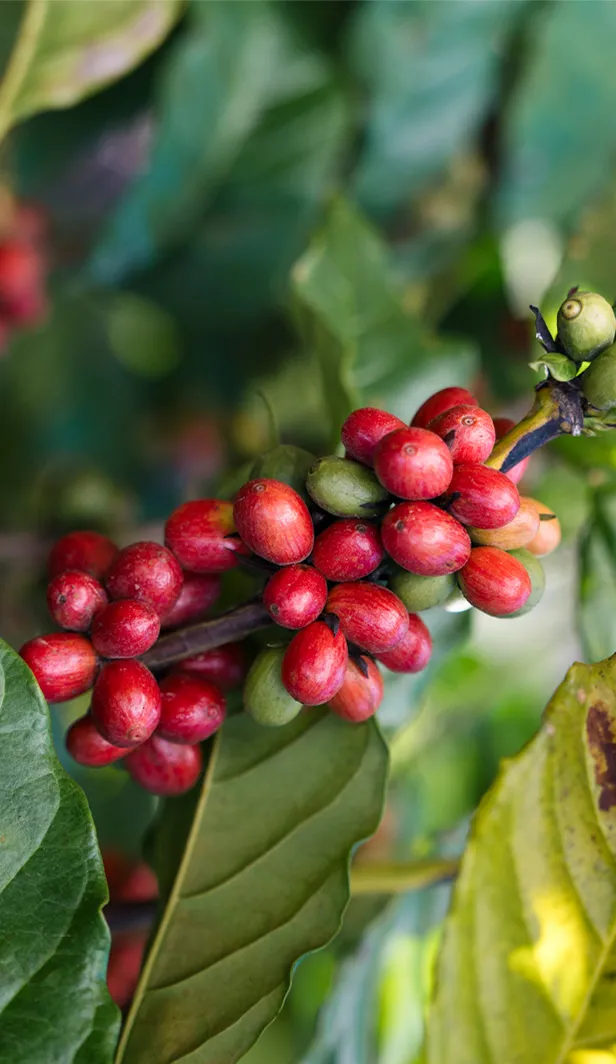
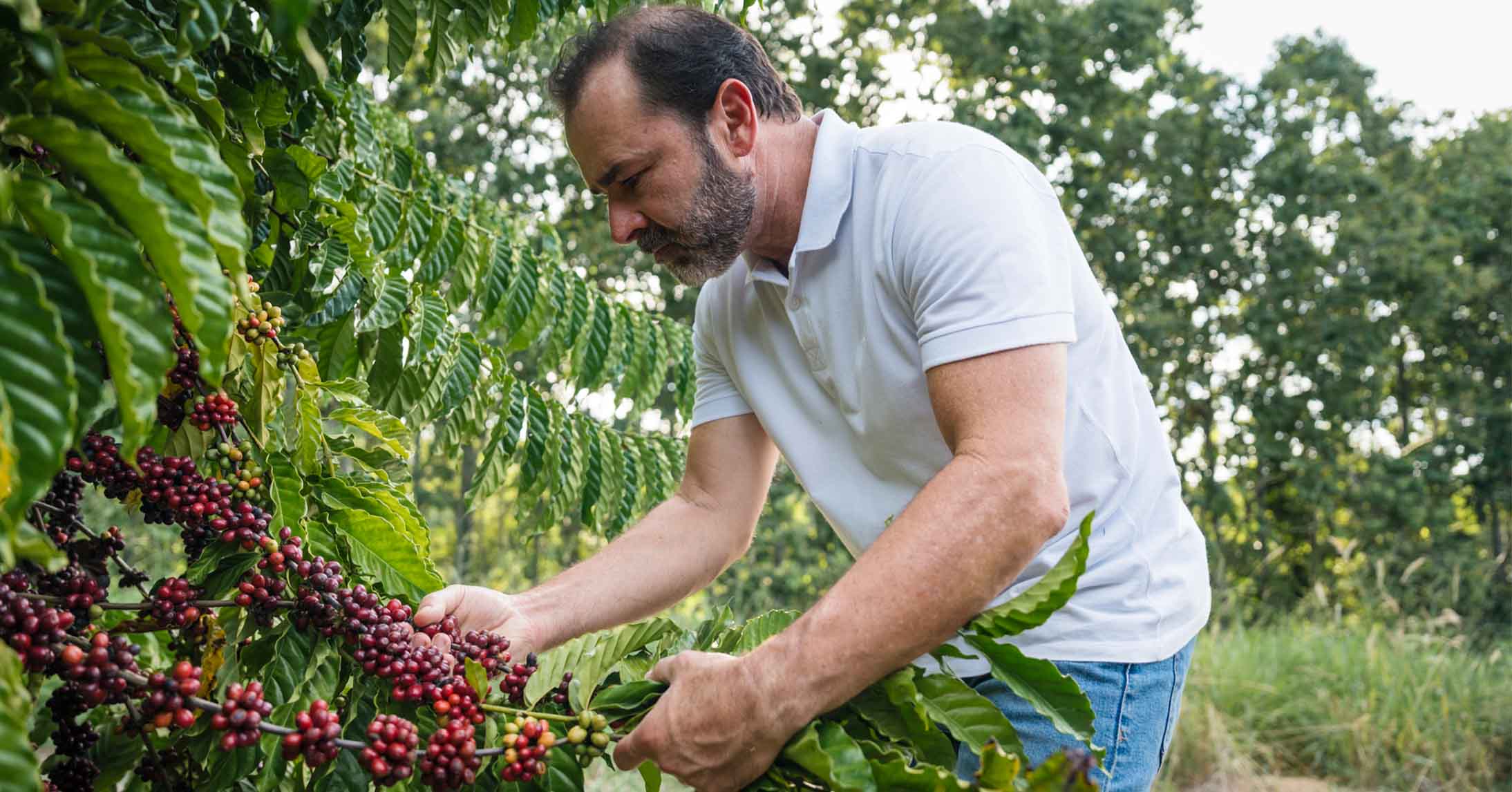
Shade trees can help create a cooler, more stable growing environment, helping reduce water stress for coffee plants. This slower, steadier pace allows cherries to develop more gradually. As Vietnamese coffee farmer Dương Thanh Sâm shares from his experience, “Slow ripening improves the quality of the coffee crop.” By sheltering plants from strong sun, heavy rain, and wind, shade can help coffee trees stay healthier in changing weather conditions, which may contribute to more consistent harvests over time.
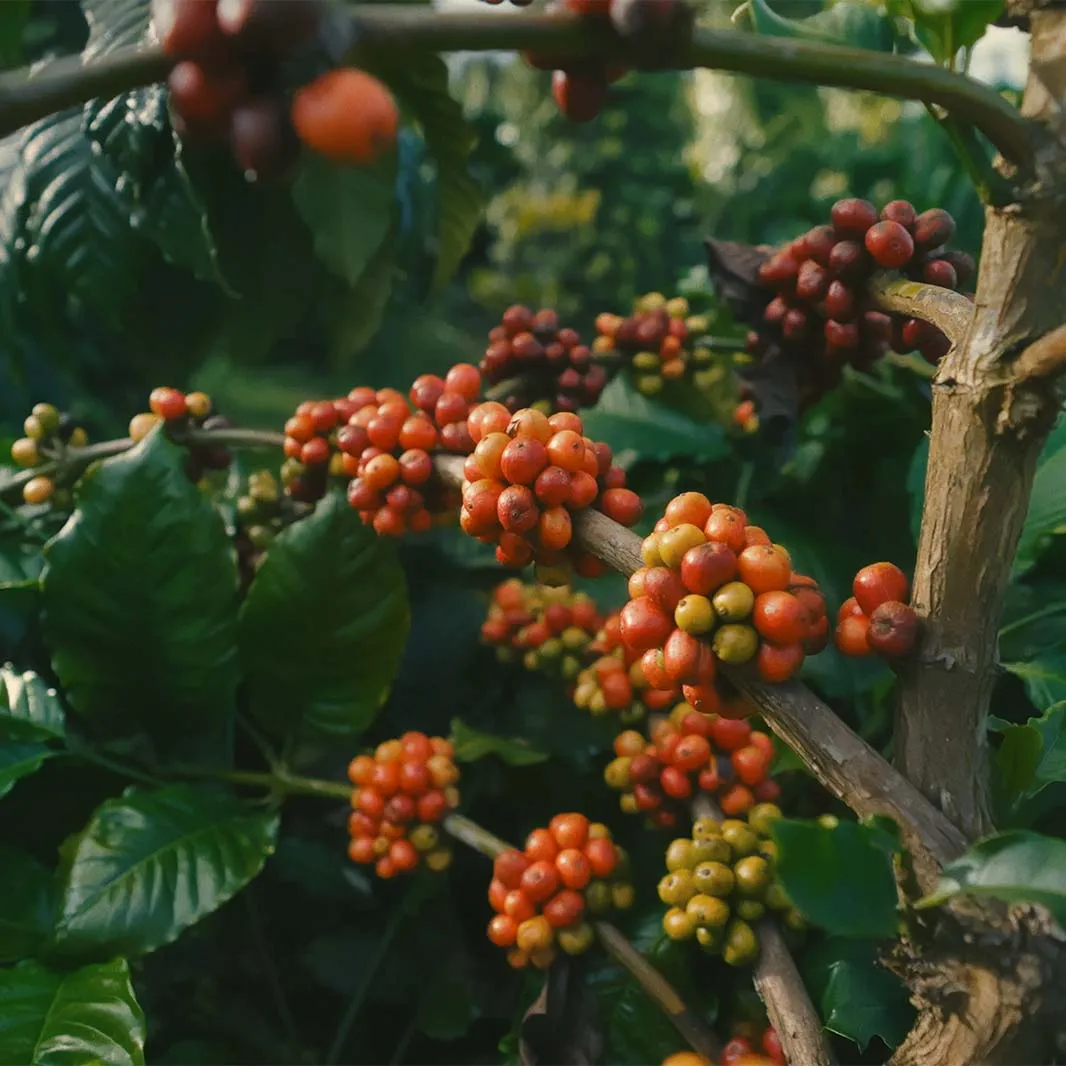
Shade helps coffee trees stay healthier by sheltering them
More life on farms, more options for farmers
Shade trees can also support biodiversity on coffee farms. A greater variety of trees can attract birds and beneficial insects that contribute to natural pest control and pollination, as part of a more balanced ecosystem. For farmers with limited access to inputs, fallen leaves and prunings can be returned to the soil as organic fertiliser.

A diverse variety of trees attracts birds and supports biodiversity
Windbreak trees, used where they make sense
In some regions, farmers plant windbreak trees or living fences along borders or contour lines. These can help reduce wind speed, maintain soil, and support habitat connectivity across the landscape. The species and spacing are chosen with local agronomy advice, so the system works for that particular farm’s needs.
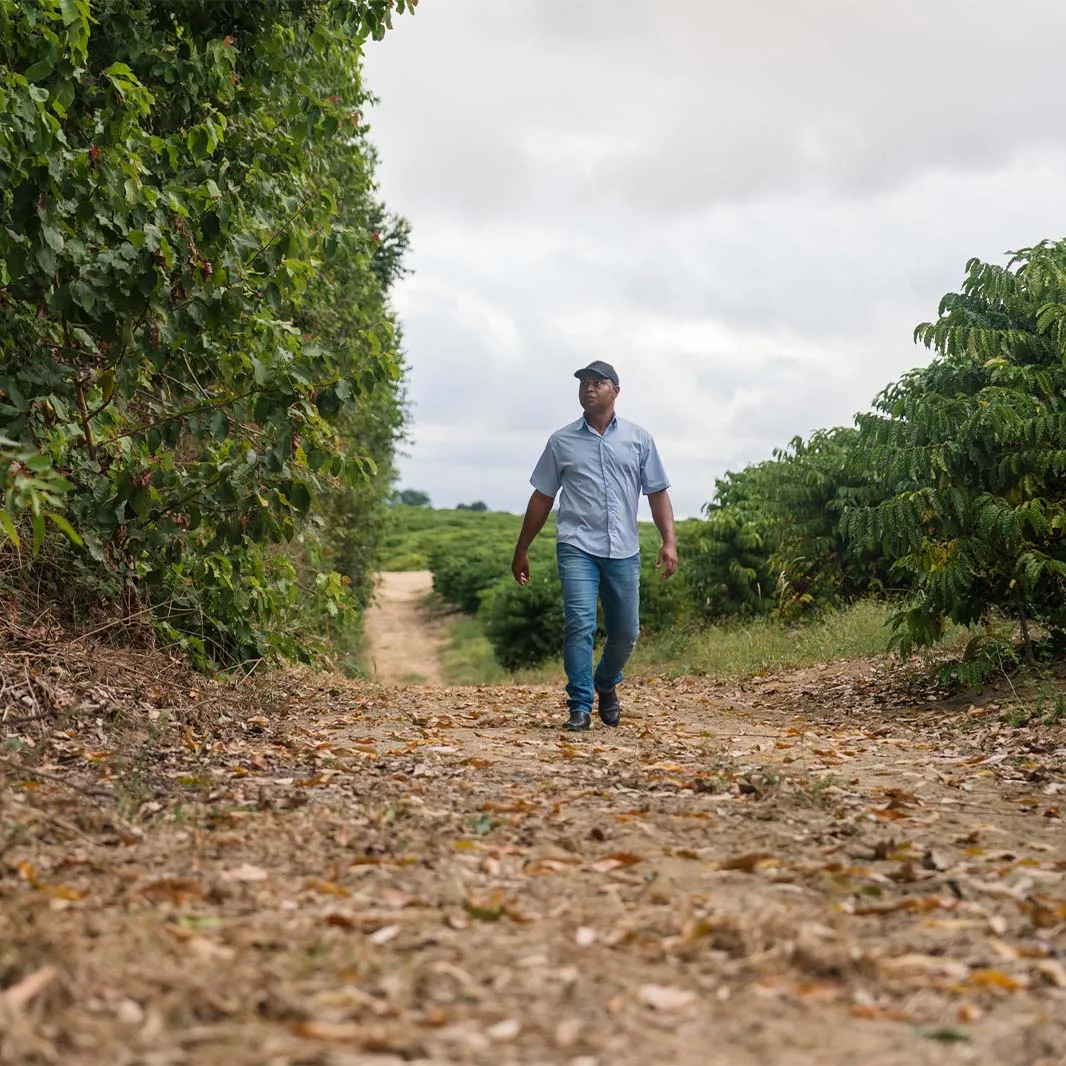
Farmers plant windbreak trees along borders or contour lines
Why shade matters for every cup
Growing coffee beneath shade trees is one way farmers use regenerative agriculture practices to manage the land their coffee depends on. By helping to maintain soil, support water balance, and encourage biodiversity, shade can contribute to more stable growing conditions across different landscapes. Through the NESCAFÉ® Plan, farmers are supported in choosing shade practices that suit their farms and local environments. In this way, shade can become a natural partner in coffee growing, helping farms maintain their land as conditions change.
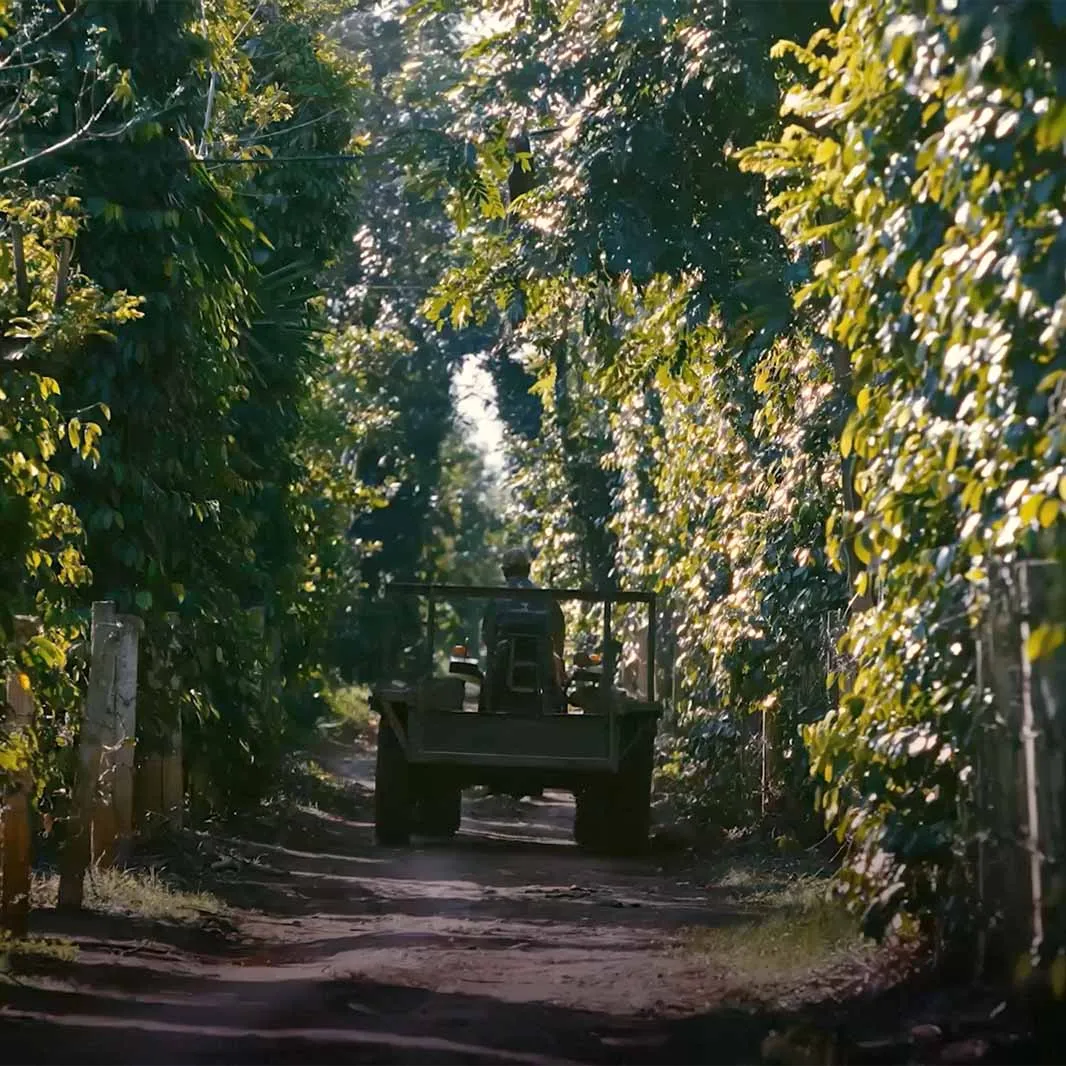
Shade is a natural partner in coffee growing






Explore how we are supporting regenerative agriculture
Discover how NESCAFÉ® supports coffee farmers in leveraging regenerative agriculture practises to work in harmony with nature.