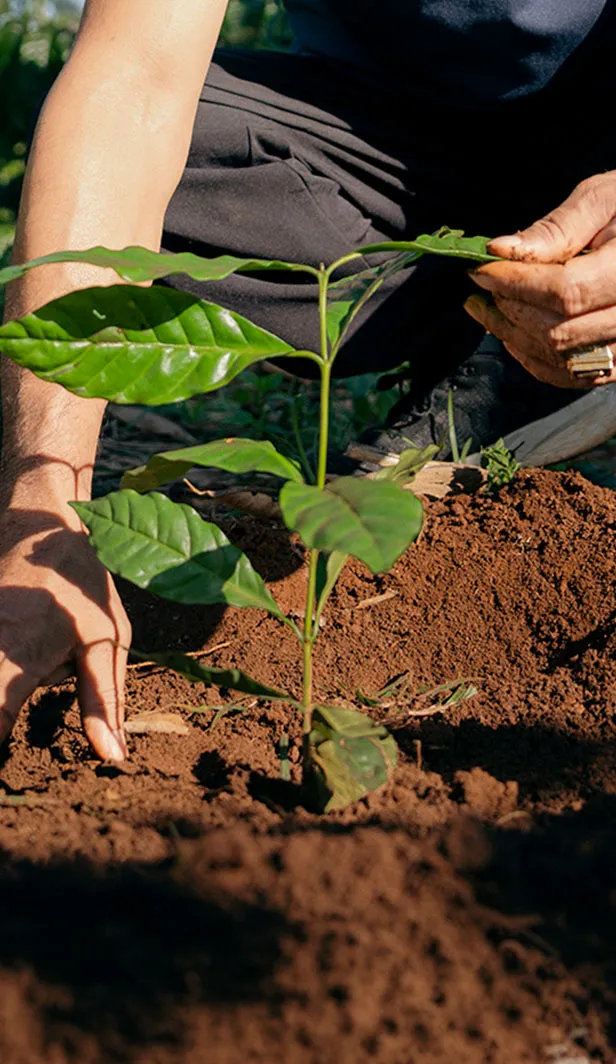

How caring for soil, water, and biodiversity helps coffee farms thrive
Regenerative agriculture practices, working alongside nature
5
min
Great coffee starts with healthy soil, water, and biodiversity. Regenerative agriculture practices focus on caring for these natural resources, helping farms and communities to flourish. By working alongside nature, farmers can help to protect ecosystems while supporting their livelihoods.

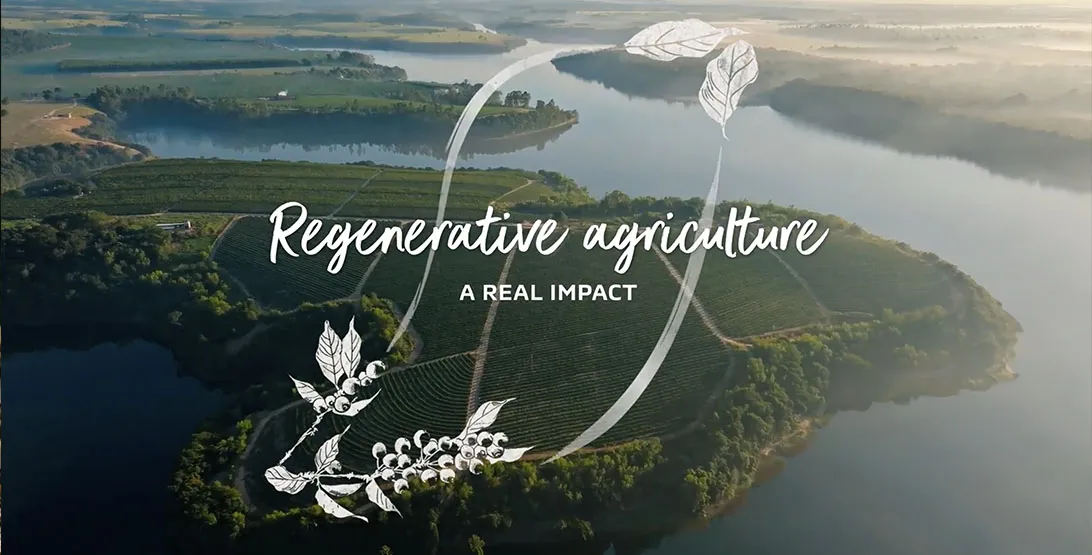
Regenerative agriculture, the holistic approach
Watch the video
1:21
Why biodiversity matters
Coffee doesn’t grow in isolation. It grows within living landscapes where trees, plants and wildlife all play a role. On many farms, this means introducing or maintaining shade and border trees - an approach known as agroforestry. Growing coffee alongside trees can help maintain soil, manage water more carefully, and create habitats for pollinators and other species. Over time, this diversity helps support the farm ecosystem.

Regenerative agriculture practices are a key part of helping to maintain biodiversity
“Regenerative agriculture doesn’t focus solely on coffee crops. It takes in everything, including trees, water and surrounding plants.”

Protecting the soil
Biodiversity above ground is only part of the story. Healthy soil is essential for growing quality coffee. Farmers help maintain their soil by keeping living ground cover in place, adding mulch and maintaining tree cover to protect against heavy rain and runoff. These practices help keep moisture in the ground and reduce soil loss on hillsides. Many farmers also return organic materials, such as coffee pulp and farm residues, to the soil, helping maintain its natural fertility.
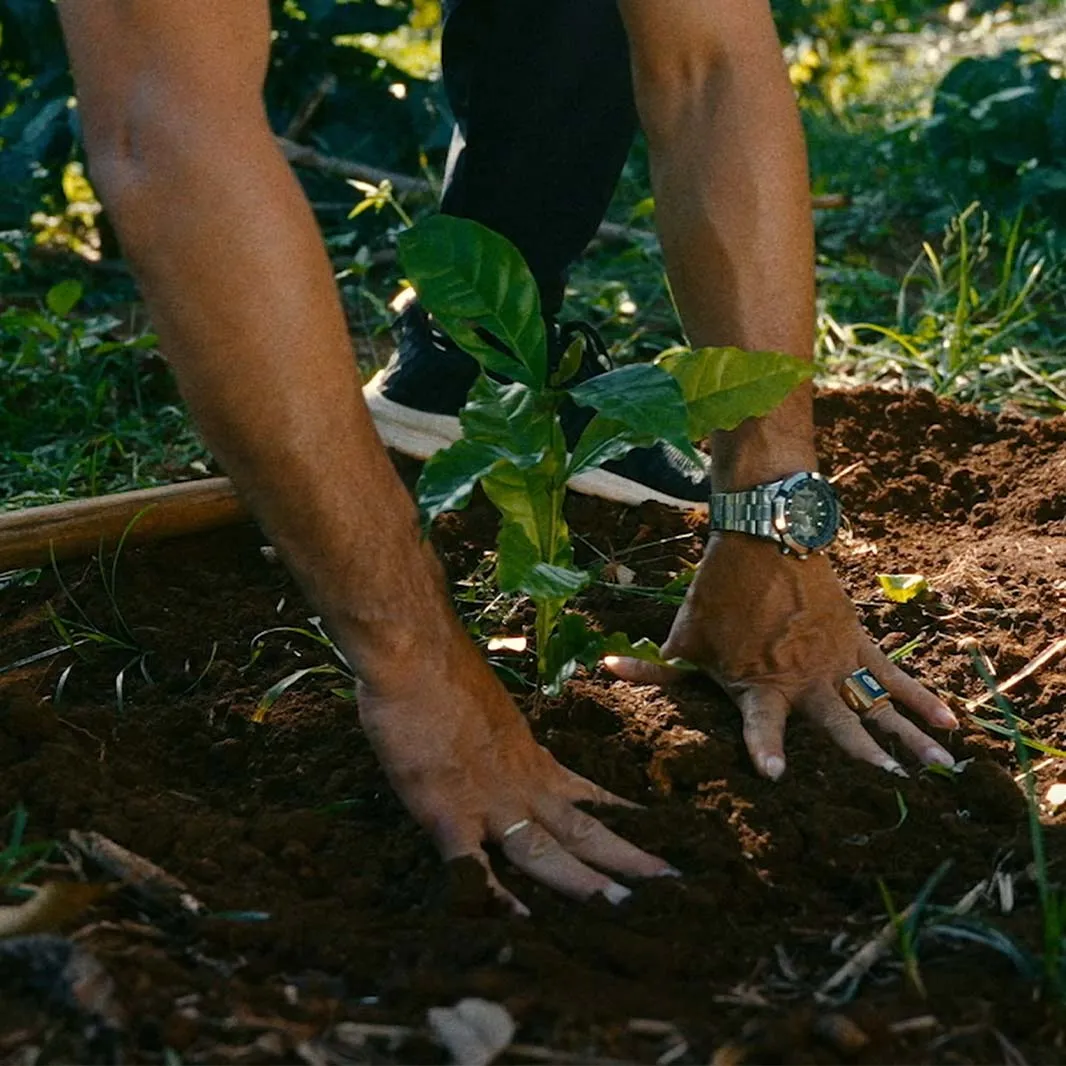
Healthy soil is the foundation of every coffee farm
Smarter fertilisation
Caring for the soil also means being thoughtful about fertilisation. Regenerative agriculture practices don't mean eliminating fertiliser, but using it in a more targeted way, based on crop needs and local conditions. Farmers are trained to make better use of organic materials already available on the farm, such as composted coffee husks, and to combine these with mineral fertilisers only where needed.
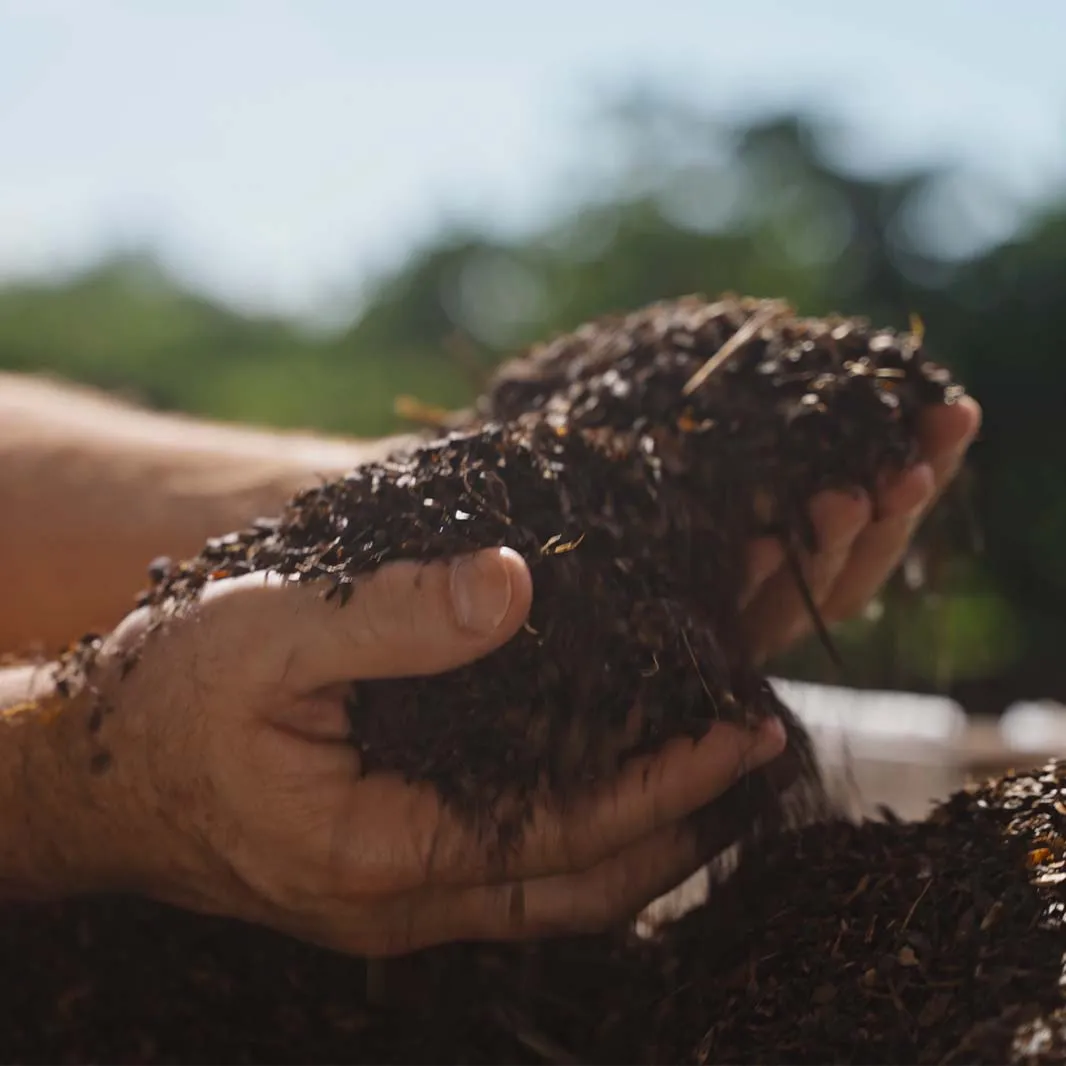
Farmers use mulch to keep the ground covered
Introducing intercropping
On some farms, regenerative agriculture practices also include growing other crops alongside coffee. This approach, known as intercropping, involves cultivating two or more crops on the same plot. It's one way that farmers introduce greater crop diversity on their land, often alongside other regenerative agriculture practices. Depending on how it is applied, it can also contribute organic material to the soil as part of a broader approach to managing farm conditions.
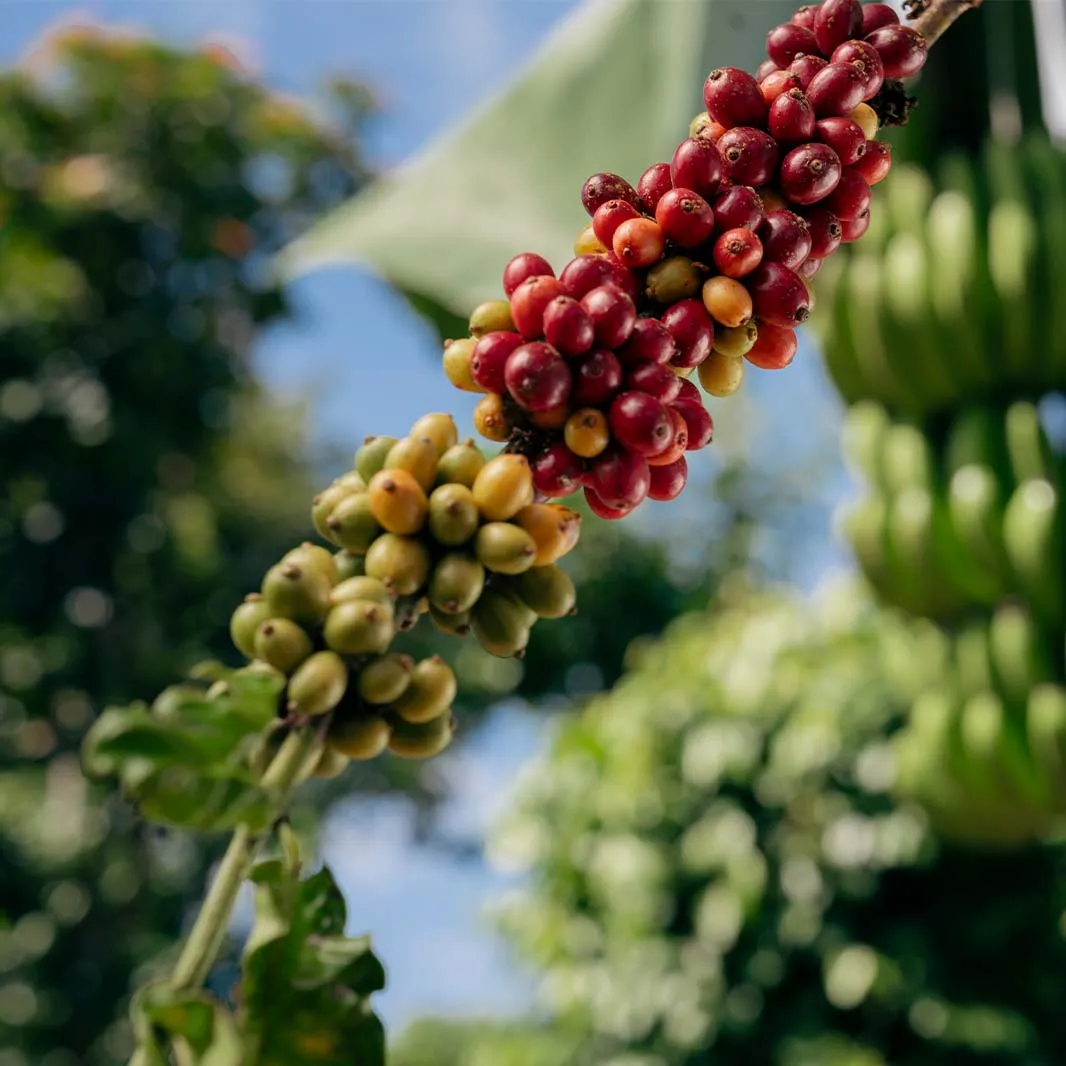
Other crops grown alongside coffee is known as intercropping
Tailoring to individual farms
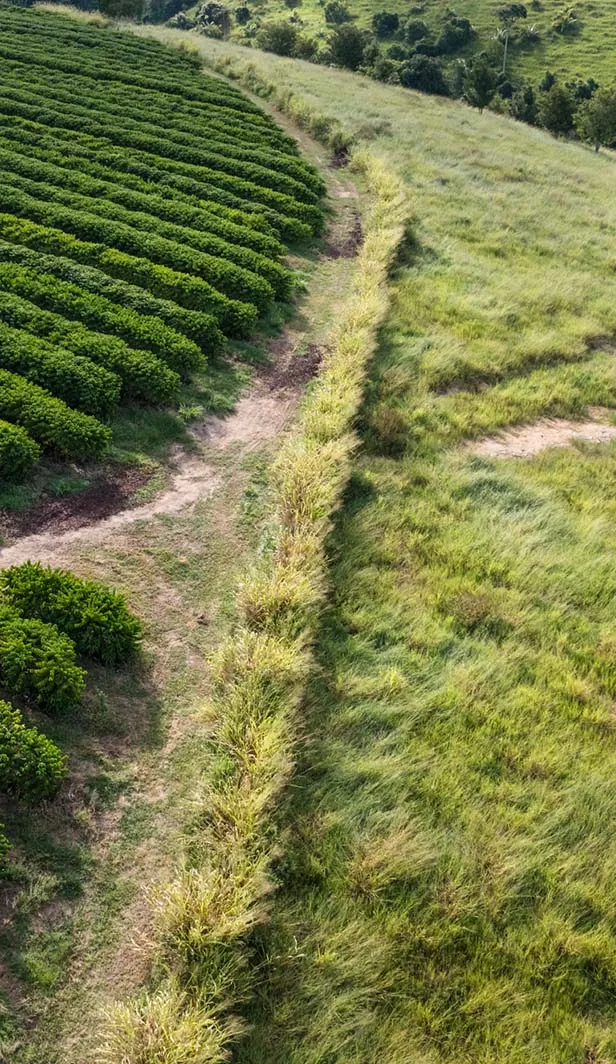
No two coffee farms are the same. Conditions vary from one hillside to the next, so regenerative agriculture practices are adapted to local soils, rainfall, varieties and community needs. Farmers choose tree species carefully, adjust shade levels and introduce features such as windbreaks or planted buffer zones to help maintain the soil. The guiding principle remains simple: work with local conditions, not against them.
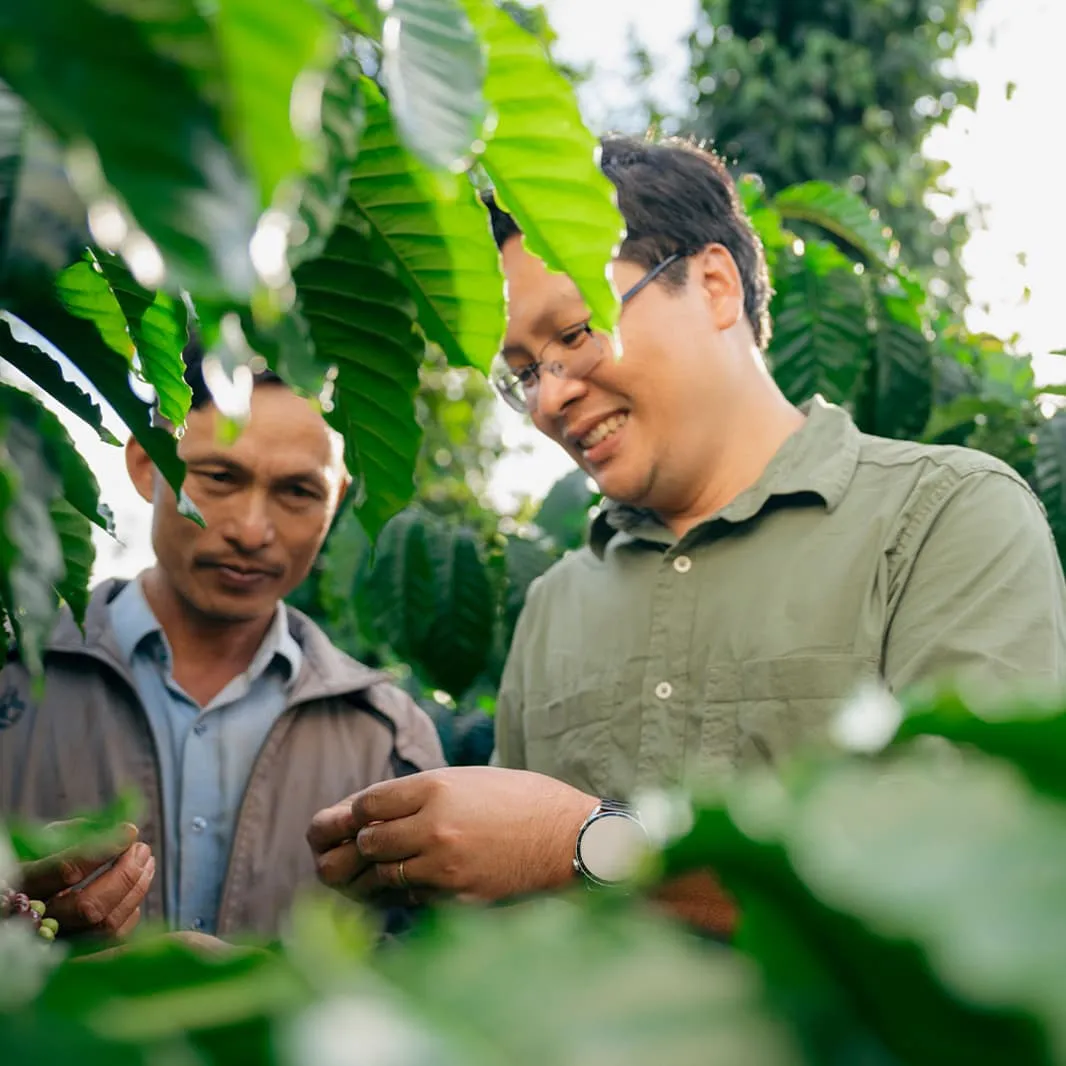
Regenerative agriculture practices are adapted by farmers to work with local conditions
How NESCAFÉ® is helping farmers to transition
Across coffee-growing regions, NESCAFÉ® works closely with farmers to support the transition to regenerative agriculture practices. Through training and on-the-ground guidance, farmers are introduced to approaches that can help them care for and maintain their soil, water, and crops. Many farmers are already bringing these practices to life on their farms: by adapting how they work, they are supporting the health of their coffee trees and farms. Over time, these changes can also contribute to reduced emissions and more resilient farming systems.
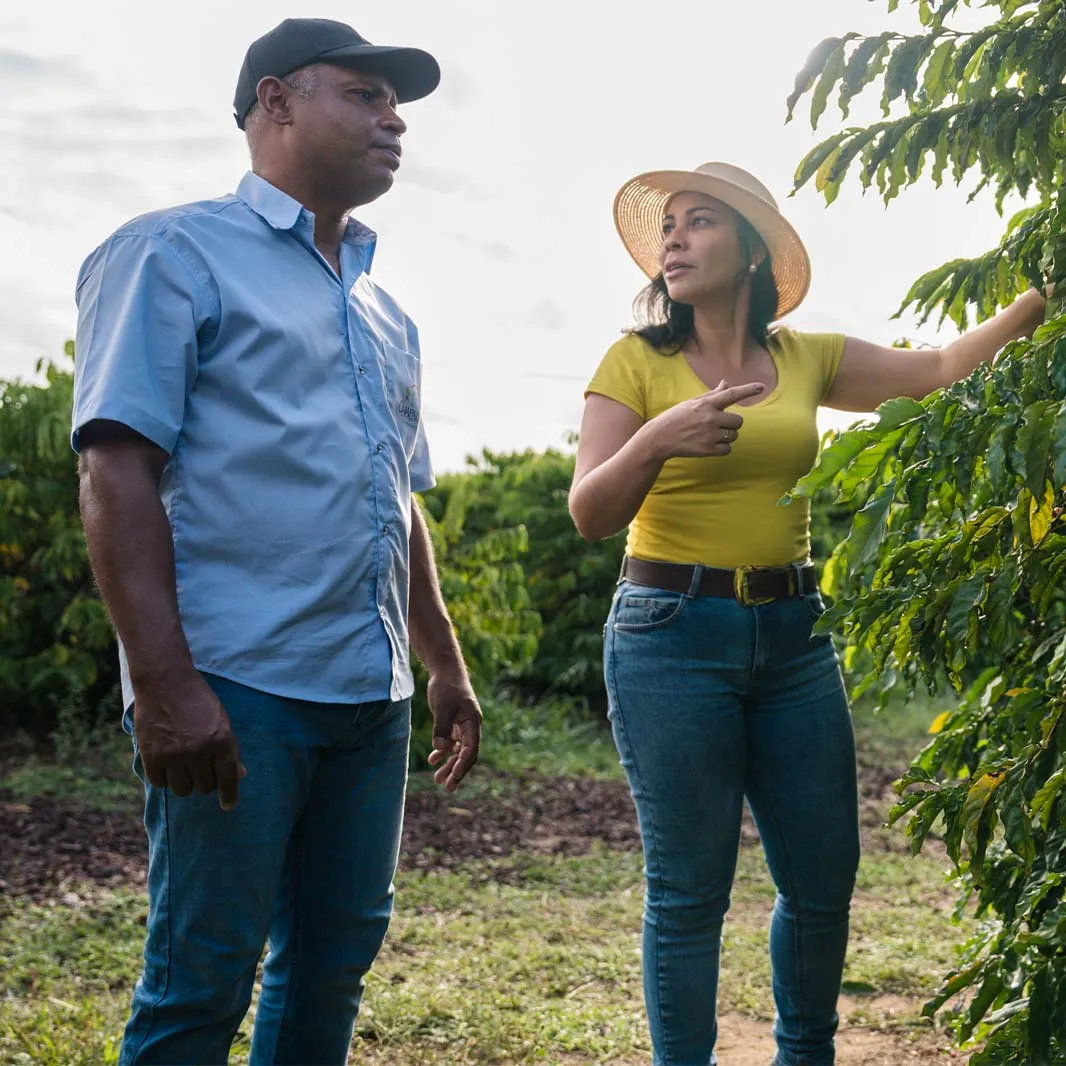
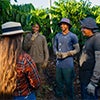
NESCAFÉ® agronomists provide training and assistance to farmers
Where to next?
Regenerative agriculture practices are a key part of the NESCAFÉ® Plan: helping to maintain soil, water and biodiversity, and support farmer livelihoods as part of the long-term future of coffee. At its heart, it’s about strengthening the connection between farmers and the land they cultivate, with approaches that work in balance with nature.
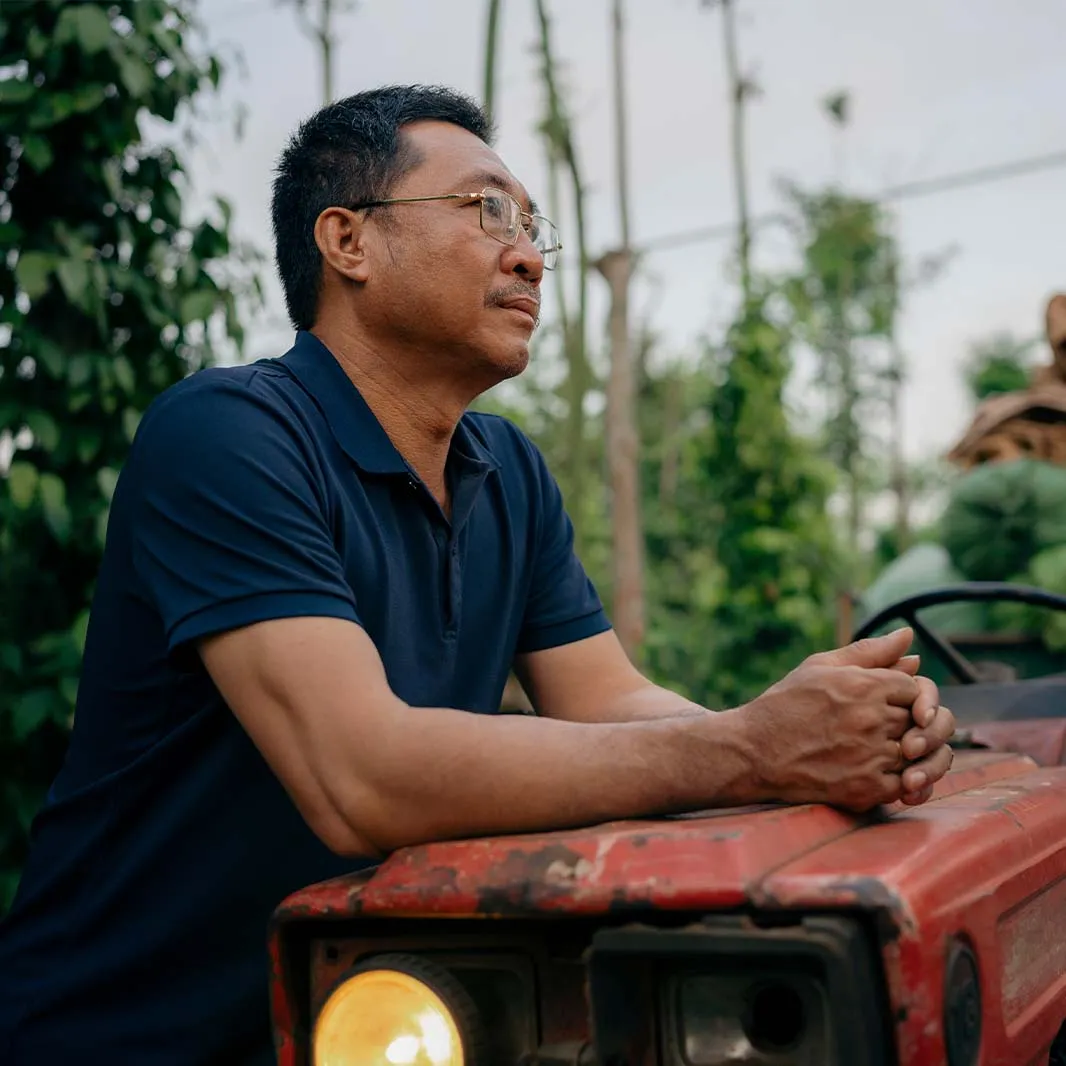
NESCAFÉ® helps farmers transition to implementing regenerative agriculture practises
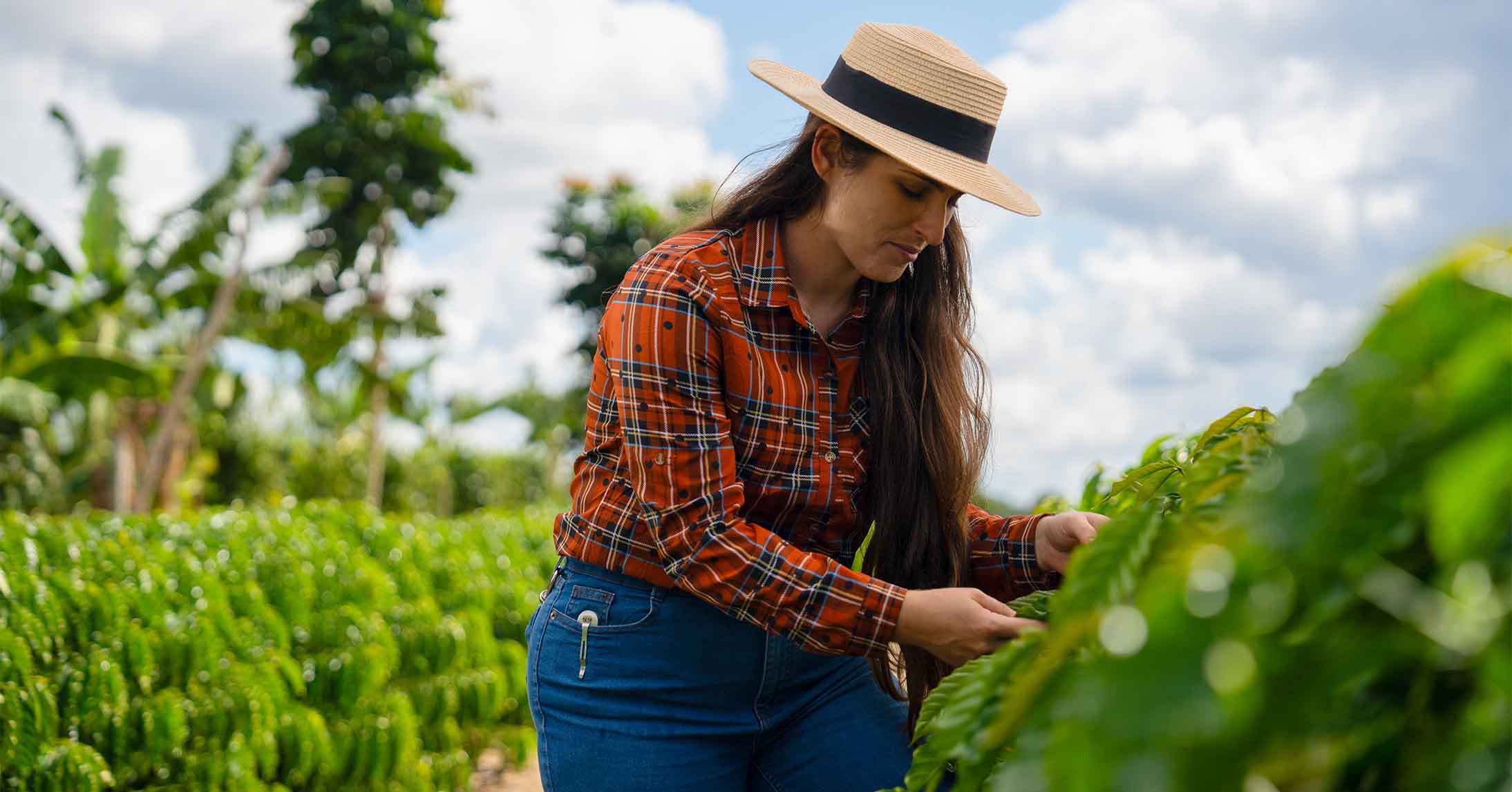
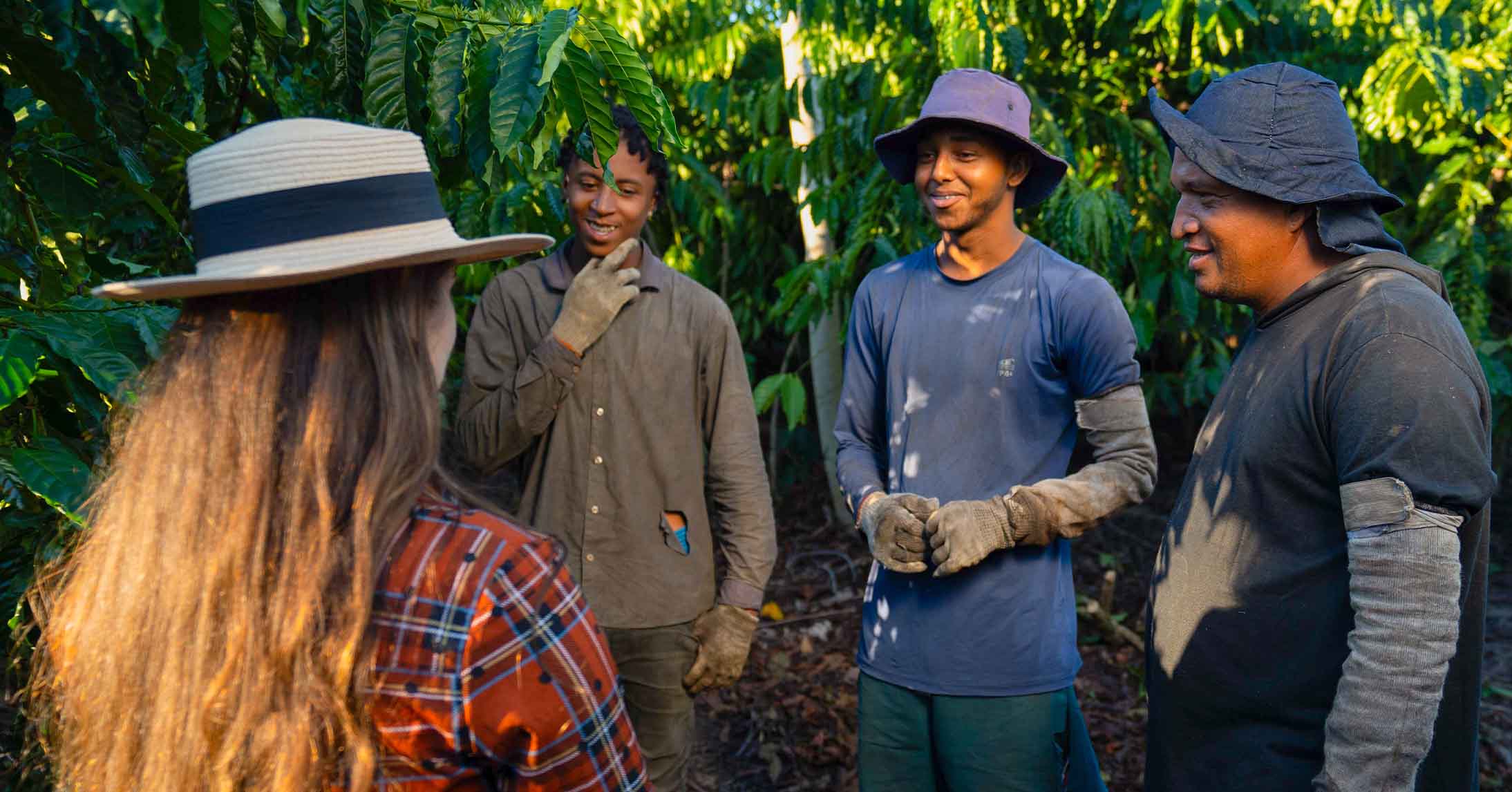

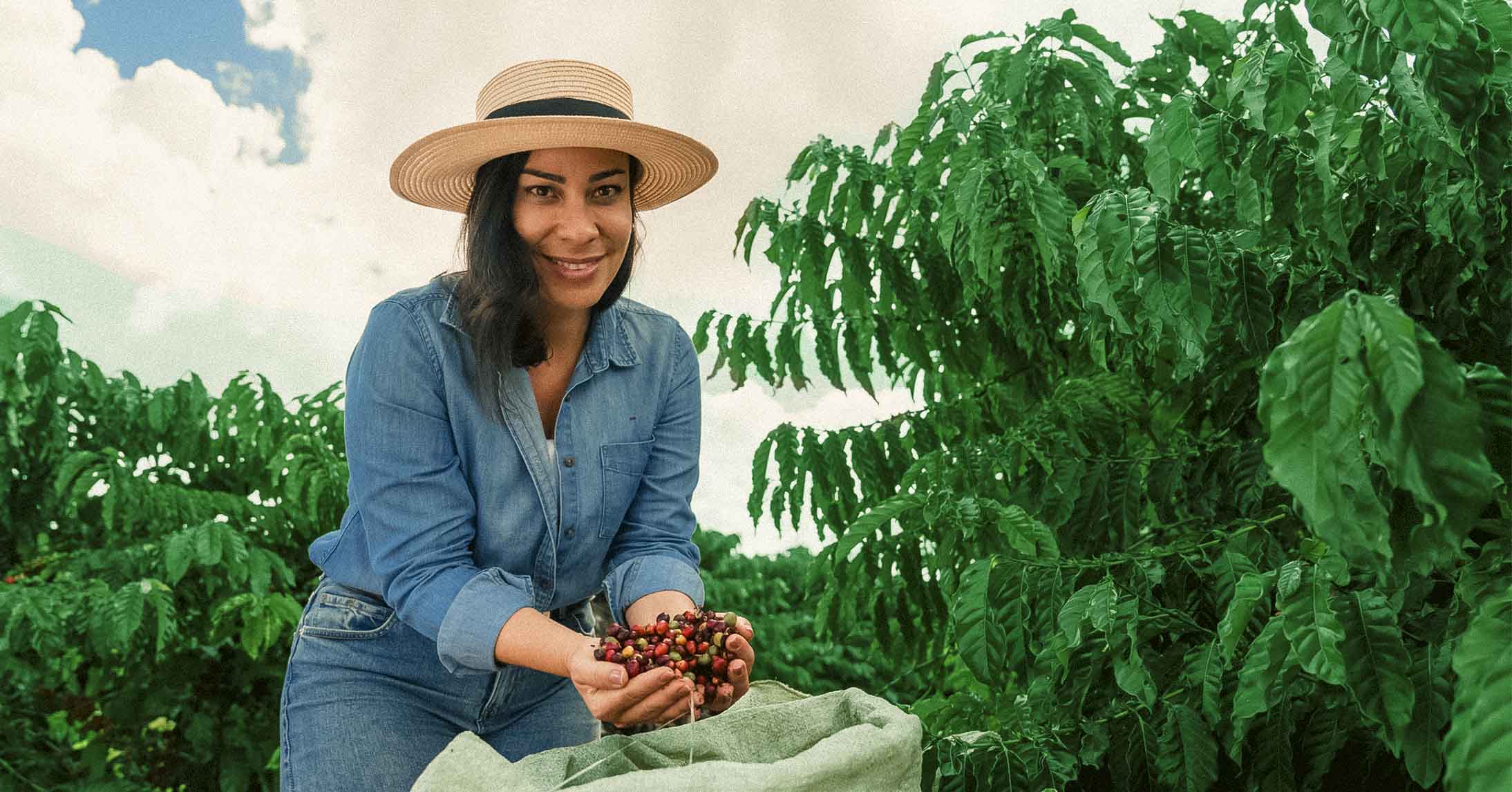



Explore how we are supporting regenerative agriculture
Discover how NESCAFÉ® supports coffee farmers in leveraging regenerative agriculture practises to work in harmony with nature.