Viennese Coffee and Vienna Coffee Culture
Famous for its fantasy-esque castles and colossal palaces, Austria is a country that many dream of visiting. Its capital Vienna, that radiates artistic and intellectual energy, has been gaining particular notice over recent years due to its unforgettable museums and ornate coffee houses that look and feel like you’re sipping in the company of royalty.
If you’re thinking of dipping your toes into the Vienna coffee scene, keep reading and find out how the beverage came to the country by accident and why you should never just order ‘coffee’ in a Viennese coffee house.
History of Austrian coffee
Coffee’s first appearance in the country can be traced back to the exact year of 1683, when Turkish invaders were forced to leave by Allied Forces head by the Polish Habsburg Army. It’s said that they left in such a hurry, they left some of their belongings, of which included sacks of what appeared to be small brown pellets. Confused by this discovery, it was originally thought that the sacks contained camel food and they were very nearly burnt if it were not for Polish King Jan III Sobieski who gave the beans to an officer called Jerzy Franciszek Kulczycki. Spending some time experimenting with the beans, he thought to add milk and sugar to the bizarre pellets and with that, he discovered coffee and opened Vienna’s first ever coffee house.
Vienna Coffee Houses: A Legacy of Elegance and Culture
One thing to note about Vienna coffee houses is that they’re not just old — they’re iconic cultural institutions dating back to the late 17th century. The first Viennese coffee house is believed to have opened in 1685, shortly after the Battle of Vienna (1683), when coffee beans left behind by the retreating Ottoman army introduced this exotic drink to Austria. These establishments quickly became gathering places for intellectuals, artists, and politicians, shaping the city’s social and cultural life.
Expect high ceilings, ornate chandeliers, marble-topped tables, and smartly dressed waiters in traditional attire. The atmosphere is timeless, attracting a diverse crowd: from writers drafting novels to friends catching up. Famous patrons included Sigmund Freud, Gustav Klimt, and Stefan Zweig, who considered coffee houses their “second living room.”
Regular customers, known as “Stamgast”, enjoy a special status. Staff often know their preferred table, favorite drink, and even reserve spots at their usual time — a tradition that underscores the personal touch of Viennese hospitality.
When it comes to serving coffee, presentation is an art form. It’s almost always delivered on a small silver tray, accompanied by a glass of water and sometimes a piece of chocolate or pastry. This ritual reflects the slow, deliberate enjoyment of coffee — a hallmark of Viennese culture.
In 2011, UNESCO recognized Viennese coffee house culture as part of the Intangible Cultural Heritage of Humanity, cementing its role as a symbol of elegance and intellectual exchange.
Viennese coffee types
When visiting a Viennese coffee house, if you simply try to order ‘coffee’, it’s highly likely your smartly dressed waiter will meet you with a look of disdain. One of the reasons for this is that in Austria, there’s a huge variety of coffee types!
Check out some of the most popular you’ll encounter below - don’t worry though, most Viennese coffee houses include English menus so you won’t need to remember all of these!
Kleiner Brauner and Großer Brauner
Kleiner (means small) Brauner and Großer (means big) Brauner are two classic staples of Viennese coffee culture, both referring to coffee served with cream. The term “Brauner” means “brown,” indicating the color achieved when cream is added to black coffee.
A Kleiner Brauner is a small cup of strong black coffee similar to an espresso with a portion of cream served on the side, allowing the drinker to adjust the strength and richness to taste. A Großer Brauner, on the other hand, is the larger version — essentially a double shot of coffee with cream.
These drinks embody the Viennese tradition of personalization and leisurely enjoyment, often served on a silver tray with a glass of water, reflecting the elegance and ritual of Austria’s coffee house heritage.
Kleiner Brauner
• Meaning: “Small brown” coffee
• Size: Small cup (similar to a single espresso
• Composition: Strong black coffee served with cream on the side.
• Purpose: Ideal for those who prefer a quick, strong coffee with a touch of cream.
Großer Brauner
• Meaning: “Large brown” coffee.
• Size: Larger cup (similar to a double espresso).
• Composition: Double shot of coffee with cream on the side.
• Purpose: Perfect for those who want a more substantial coffee experience.
Another type of Brauner coffee is Doppelter Brauner, which means “Double brown”. In general, it is two portions of coffee served together with cream. Cup size is often similar to Großer Brauner but explicitly emphasizes two servings.
Kleiner Schwarzer and Großer Schwarzer
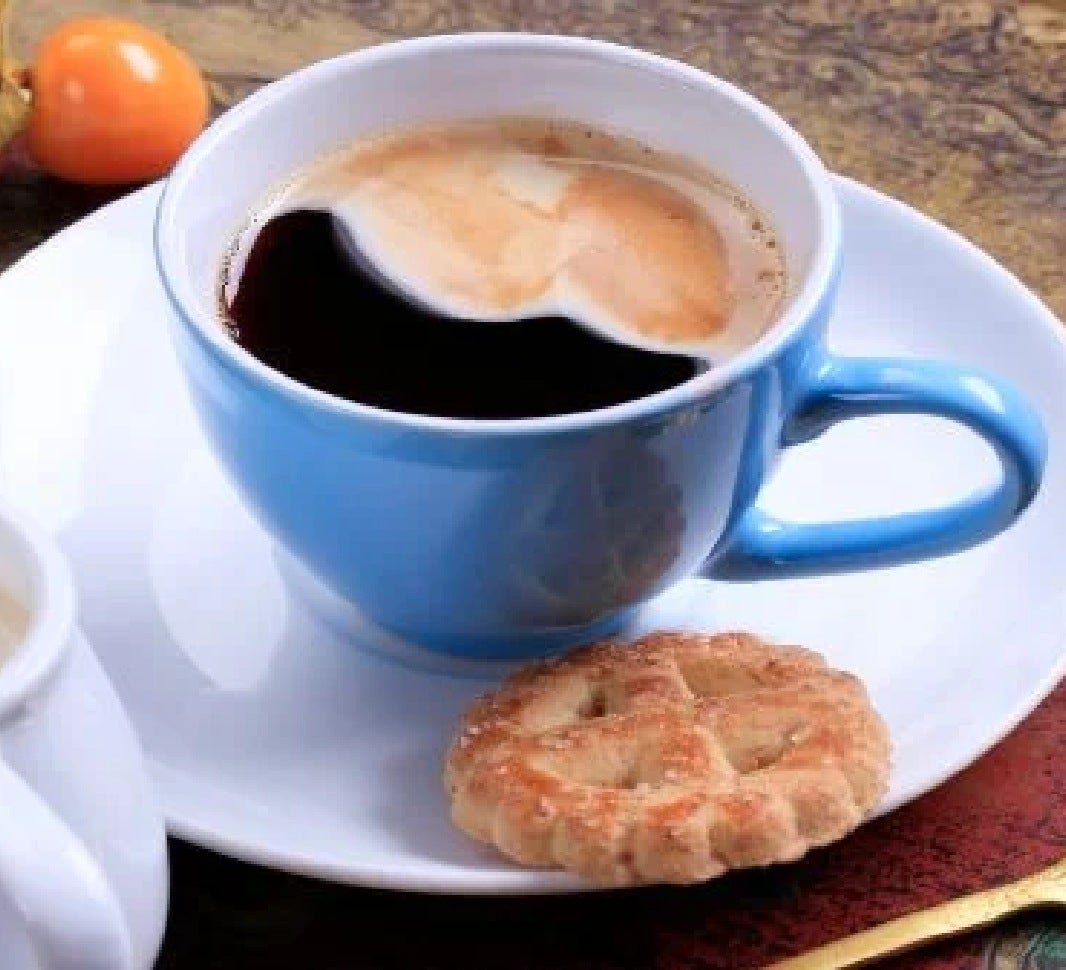
Kleiner Schwarzer and Großer Schwarzer are two classic Viennese coffee styles that celebrate simplicity and strength. The term “Schwarzer” means “black,” referring to pure, unadulterated coffee without milk or cream.
A Kleiner Schwarzer is a small, strong coffee — essentially a single shot of espresso — served in a small cup, perfect for those who enjoy an intense flavor. A Großer Schwarzer, on the other hand, is the larger version, typically a double shot of espresso in a bigger cup, offering a more substantial serving while maintaining the same bold taste. Both are traditionally served on a silver tray with a glass of water, reflecting the elegance and ritual of Viennese coffee culture.
Melange
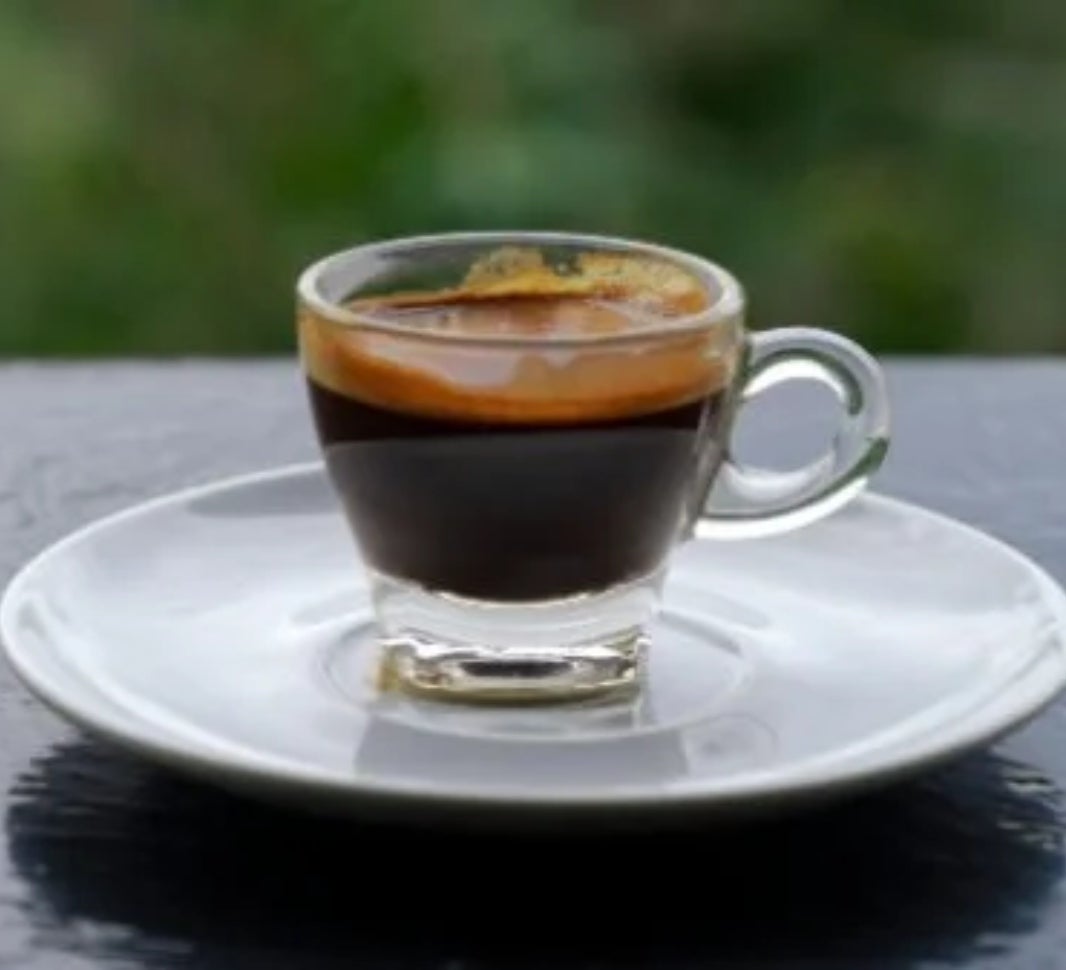
Melange is the quintessential Viennese coffee, beloved for its smooth and balanced flavor. Often compared to a cappuccino, melange consists of a shot of espresso blended with hot milk and topped with a light layer of milk foam. Traditionally served in a porcelain cup on a silver tray with a glass of water, this drink embodies the elegance and ritual of Vienna’s coffee house culture.
Unlike a simple latte, melange is lighter and less creamy, making it perfect for leisurely sipping while reading a newspaper or enjoying the refined atmosphere of a historic café. It remains one of the most popular choices among locals and visitors alike.
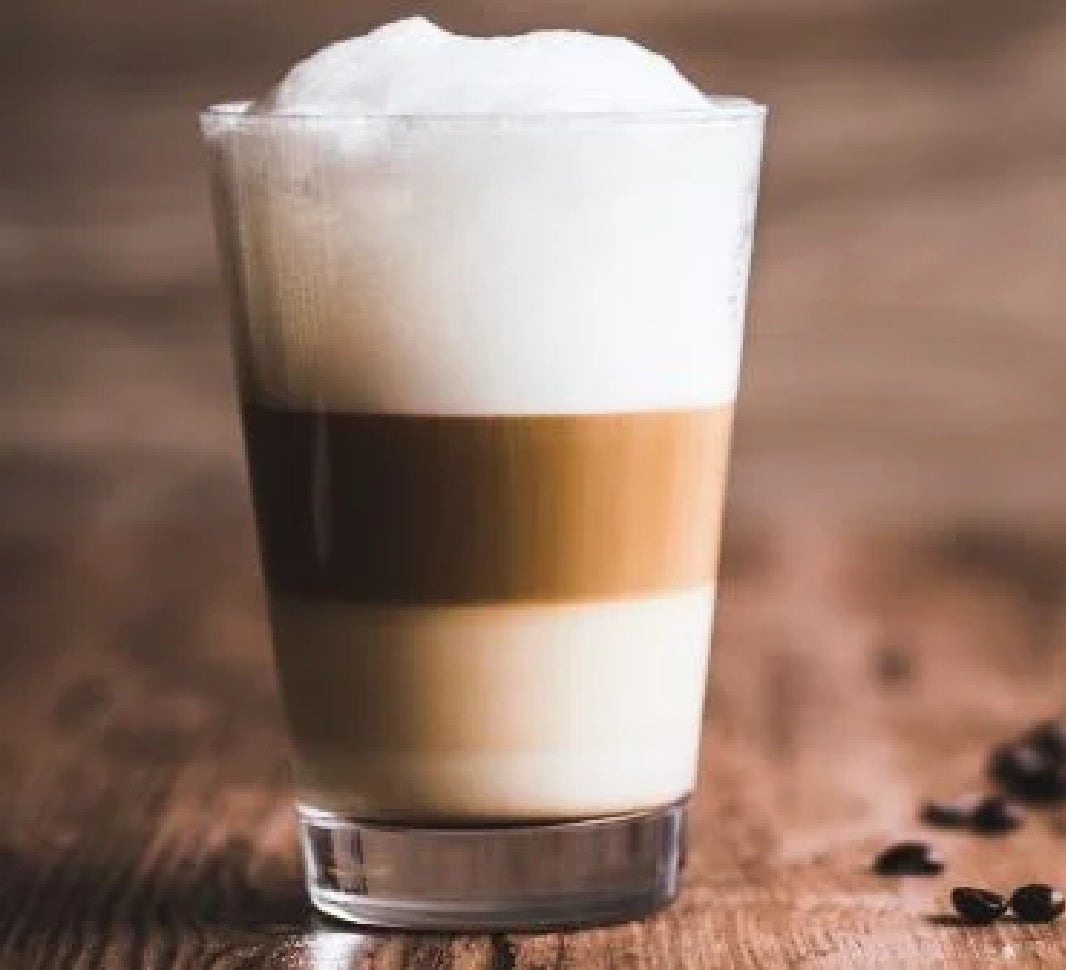
What is the difference between Melange and Cappuccino?
Key difference between melange and cappuccino is that melange is lighter, with less foam and a more delicate balance of milk and coffee, served with water as part of Viennese tradition. Cappuccino instead is creamier, foam-heavy, and associated with Italian coffee culture.
Melange (Viennese Specialty)
• Origin: Austria, iconic in Viennese coffee houses
• Composition: A shot of espresso mixed with hot milk and topped with a thin layer of milk foam
• Texture & Taste: Lighter and less creamy than a cappuccino; smooth and mild
• Serving Style: Traditionally served in a porcelain cup on a silver tray with a glass of water
• Cultural Note: Considered the most classic Viennese coffee, perfect for leisurely sipping
• Origin: Italy
• Composition: Equal parts espresso, steamed milk, and thick milk foam (often dusted with cocoa)
• Texture & Taste: Richer and creamier than a Melange; foam layer is thicker
• Serving Style: Usually served in a ceramic cup without the water ritual
• Cultural Note: Commonly enjoyed in the morning in Italy, rarely after lunch
Types of Melange coffee
In Viennese coffee culture, Melange has a few popular variations that cater to different tastes:
1. Classic Wiener Melange
The traditional version: espresso mixed with hot milk and topped with a thin layer of milk foam. Served in a porcelain cup on a silver tray with a glass of water.
2. Schokolade-Melange
A sweeter twist: Melange with added cocoa or chocolate powder. Often topped with whipped cream for extra indulgence.
3. Kaisermelange
A luxurious variation: coffee mixed with egg yolk and honey, sometimes with a splash of cognac. Historically considered a royal treat.
4. Schlagobers-Melange
Similar to the classic but topped with whipped cream instead of milk foam. Richer and creamier, perfect for dessert-like coffee.
Franziskaner
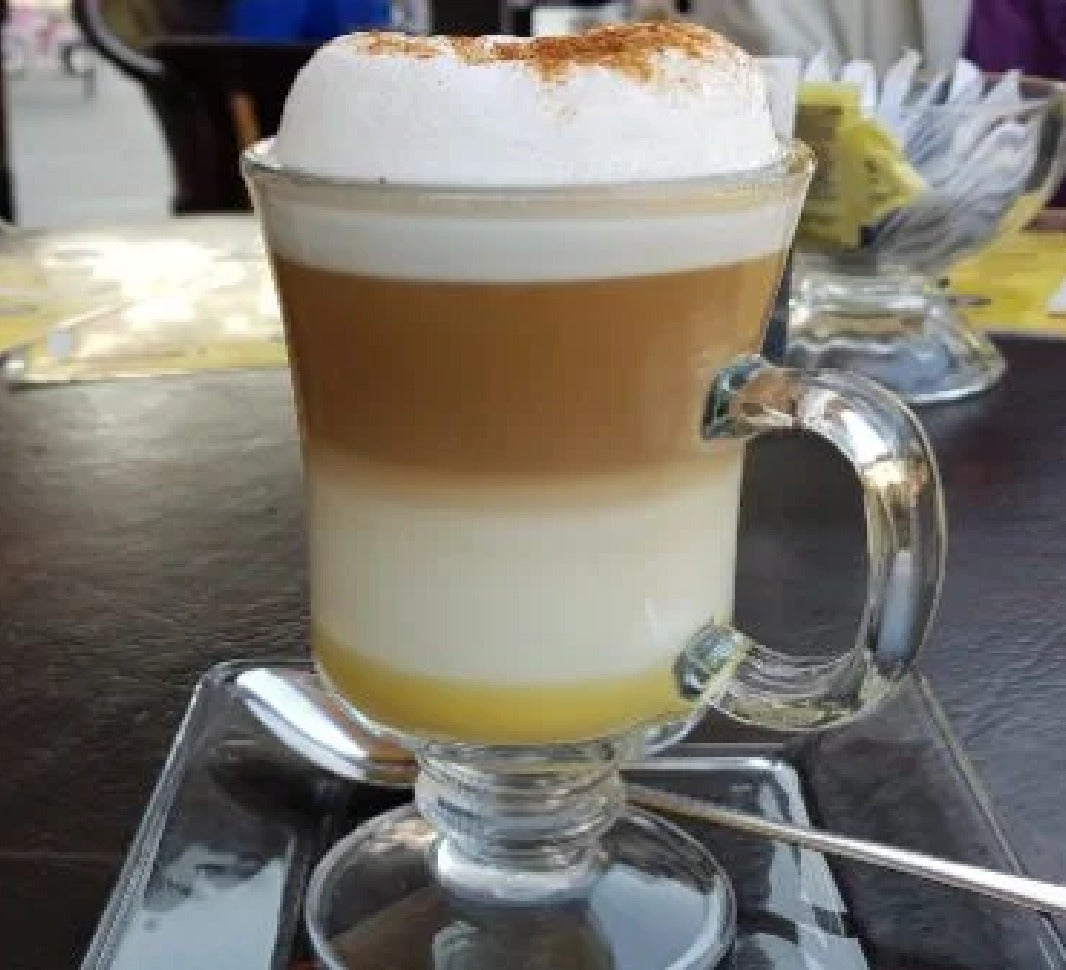
Franziskaner coffee is a traditional Viennese coffee variation that combines elegance with indulgence. It is similar to a Wiener Melange, but instead of milk foam, it is topped with a generous layer of whipped cream.
The name “Franziskaner” refers to the light brown color of the drink, reminiscent of the robes worn by Franciscan monks. This coffee is typically served in a porcelain cup on a silver tray, accompanied by a glass of water, and sometimes sprinkled with cocoa powder for extra flavor. It’s a popular choice for those who enjoy a sweeter, creamier coffee experience in Vienna’s historic coffee houses.
Kapuziner
Kapuziner coffee is a traditional Viennese specialty that emphasizes simplicity and elegance. The name “Kapuziner” refers to the light brown color of the drink, reminiscent of the robes worn by Capuchin monks. It consists of a small, strong black coffee (similar to an espresso) served with a dash of cream or milk, just enough to soften the intensity and give it a warm, brown hue. Sometimes, it’s topped with a sprinkle of cocoa powder for added flavor. Like most Viennese coffees, it is presented on a silver tray with a glass of water, reflecting the refined ritual of Vienna’s coffee house culture.
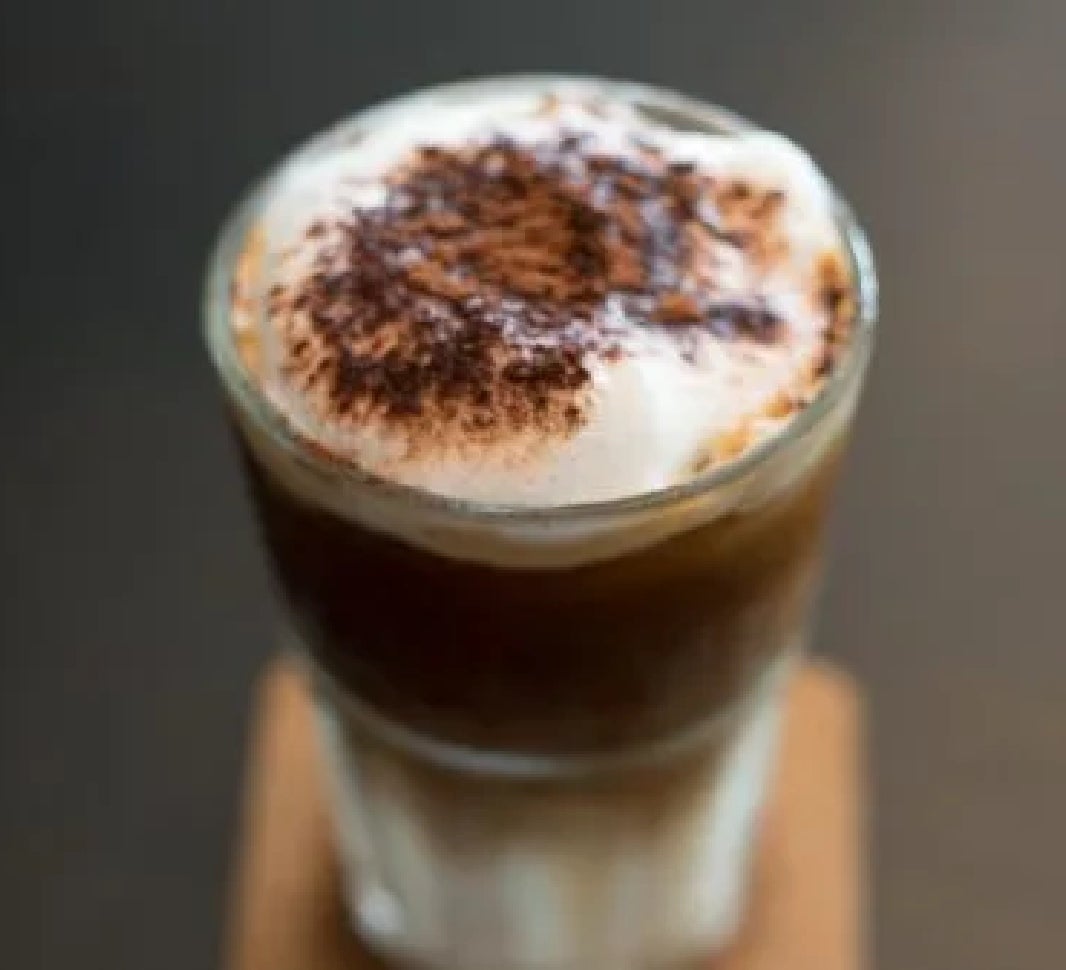
What is a difference between Kapuziner and Franziskaner coffee?
Both Kapuziner and Franziskaner coffee names refer to the color of monks’ robes, however, there is a significant difference between these beverages. Kapuziner is a strong coffee with a dash of cream (simple and bold), and Franziskaner is a coffee with whipped cream (indulgent and dessert-like).
Kapuziner
Meaning: Named after Capuchin monks, referring to the light brown color.
Composition: A small, strong black coffee (similar to an espresso) with just a dash of cream or milk.
Texture & Taste: Bold and slightly softened by cream; still strong and less sweet.
Serving Style: Usually in a small cup, on a silver tray with a glass of water.
Occasion: Ideal for those who want a quick, strong coffee with a hint of smoothness.
Meaning: Named after Capuchin monks, referring to the light brown color.
Franziskaner
Meaning: Named after Franciscan monks, also referring to its lighter color.
Composition: Similar to melange but topped with whipped cream instead of milk foam.
Texture & Taste: Creamier, richer, and often sweeter; sometimes sprinkled with cocoa.
Serving Style: In a porcelain cup, on a silver tray with water.
Occasion: Perfect for a leisurely coffee break or dessert-like experience.
Einspänner
Einspänner coffee is one of the most iconic and indulgent Viennese coffee specialties. Traditionally served in a tall glass, it consists of strong black coffee (usually a double espresso) topped with a generous swirl of whipped cream.
The name “Einspänner” comes from the one-horse carriage drivers of old Vienna, who favored this drink because the thick cream kept the coffee warm for a long time during cold rides. Today, it’s enjoyed as a luxurious treat, often accompanied by a small piece of chocolate or a biscuit, and served on a silver tray with a glass of water. Its rich contrast of bitter coffee and sweet cream makes it a favorite for those who love a decadent coffee experience.
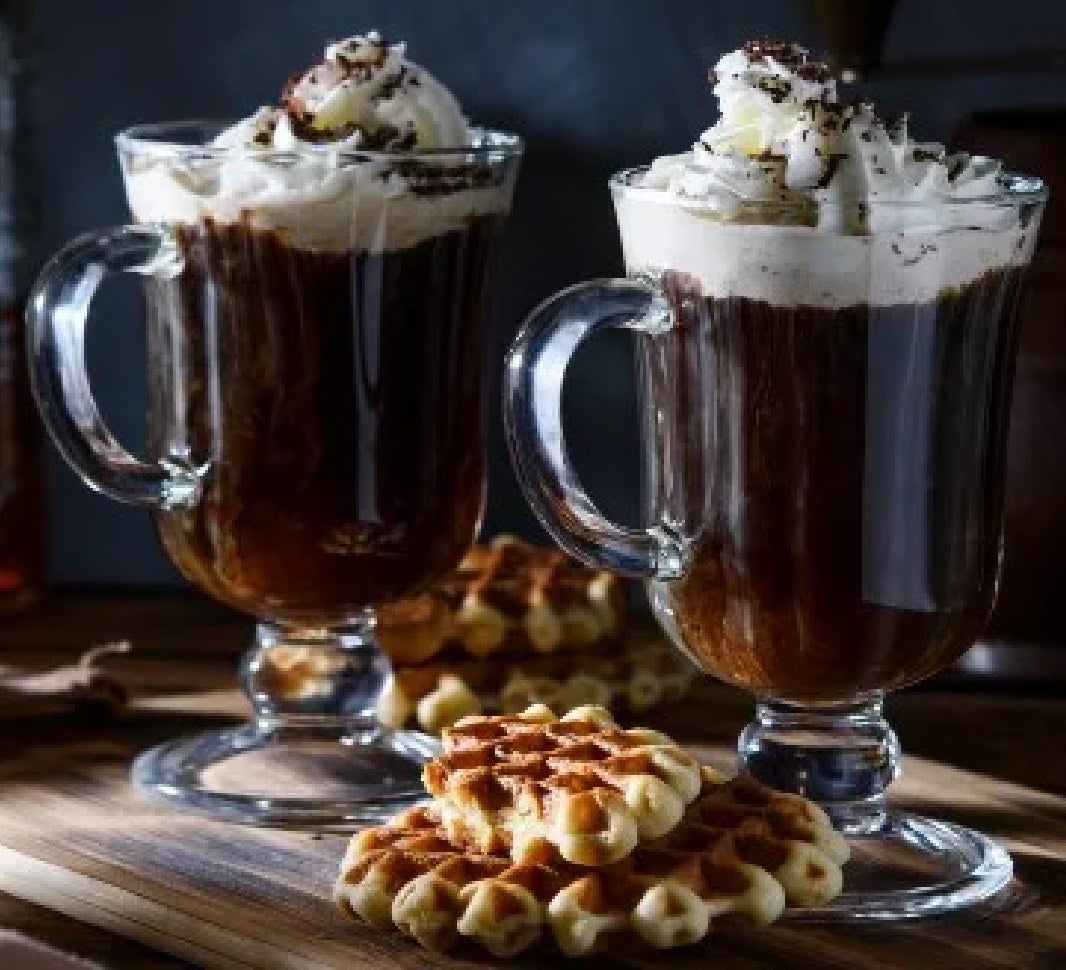
What is a difference between Einspänner and Fiaker coffee?
Key difference between these two iconic Viennese coffee specialties is that Einspänner is a coffee with whipped cream and Fiaker is a coffee with alcohol (rum or brandy), optionally with whipped cream.
Einspänner
Meaning: Named after one-horse carriage drivers (“Einspänner”) who needed a coffee that stayed warm for long rides.
Composition: Strong black coffee (usually a double espresso) served in a tall glass, topped with a generous swirl of whipped cream.
Taste Profile: Bold and bitter coffee balanced by sweet, creamy topping.
Serving Style: Often accompanied by a small piece of chocolate or biscuit, on a silver tray with a glass of water.
Occasion: A luxurious treat, perfect for slow enjoyment.
Fiaker
Meaning: Named after Vienna’s traditional horse-drawn carriage drivers (“Fiaker”).
Composition: Black coffee served in a glass with a shot of rum or brandy, sometimes topped with whipped cream.
Taste Profile: Strong and warming, with an alcoholic kick.
Serving Style: Typically served in a glass, on a tray with water.
Occasion: Ideal for cold days or as a bold, warming drink.
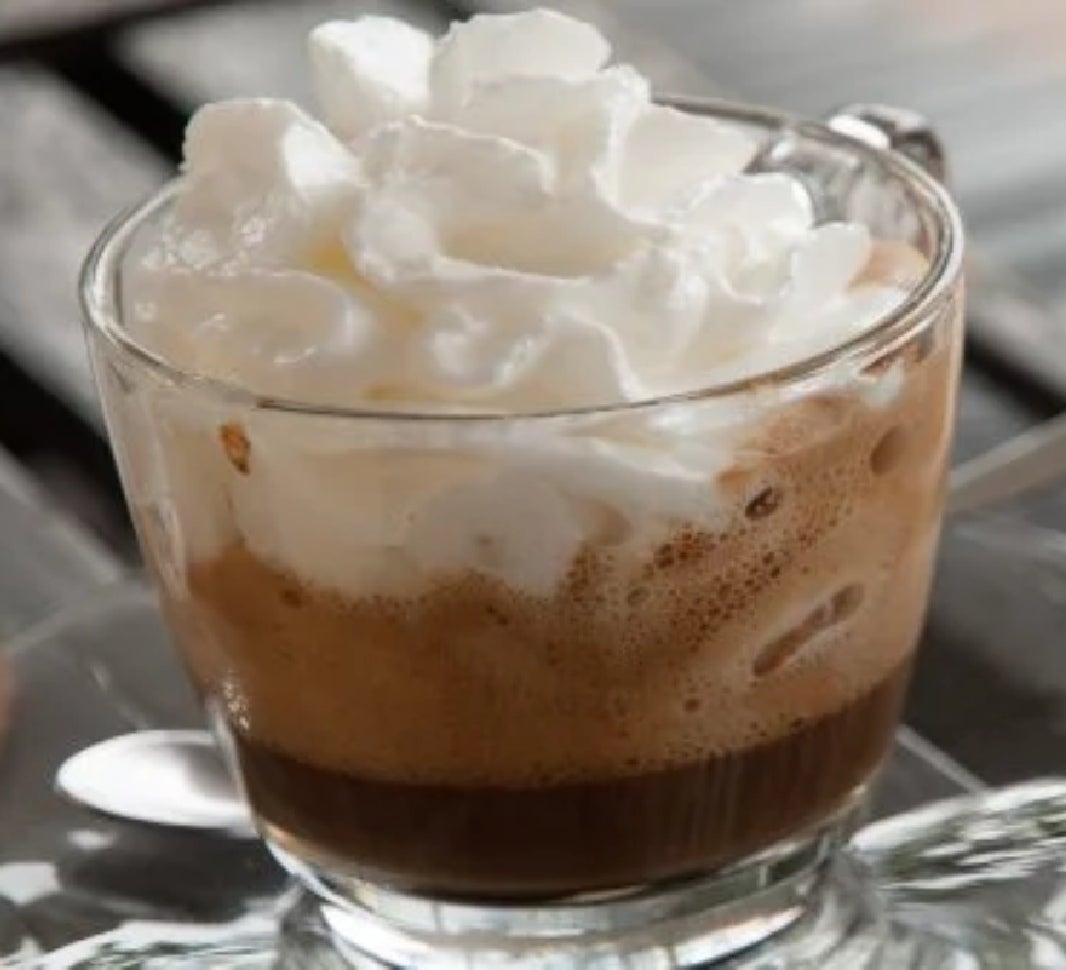
Verlängerter
Meaning ‘an extended one’ a verlängerter is like a Grosser brauner, but weaker. It’s served in a large cup and can either be black or with cream and sugar.
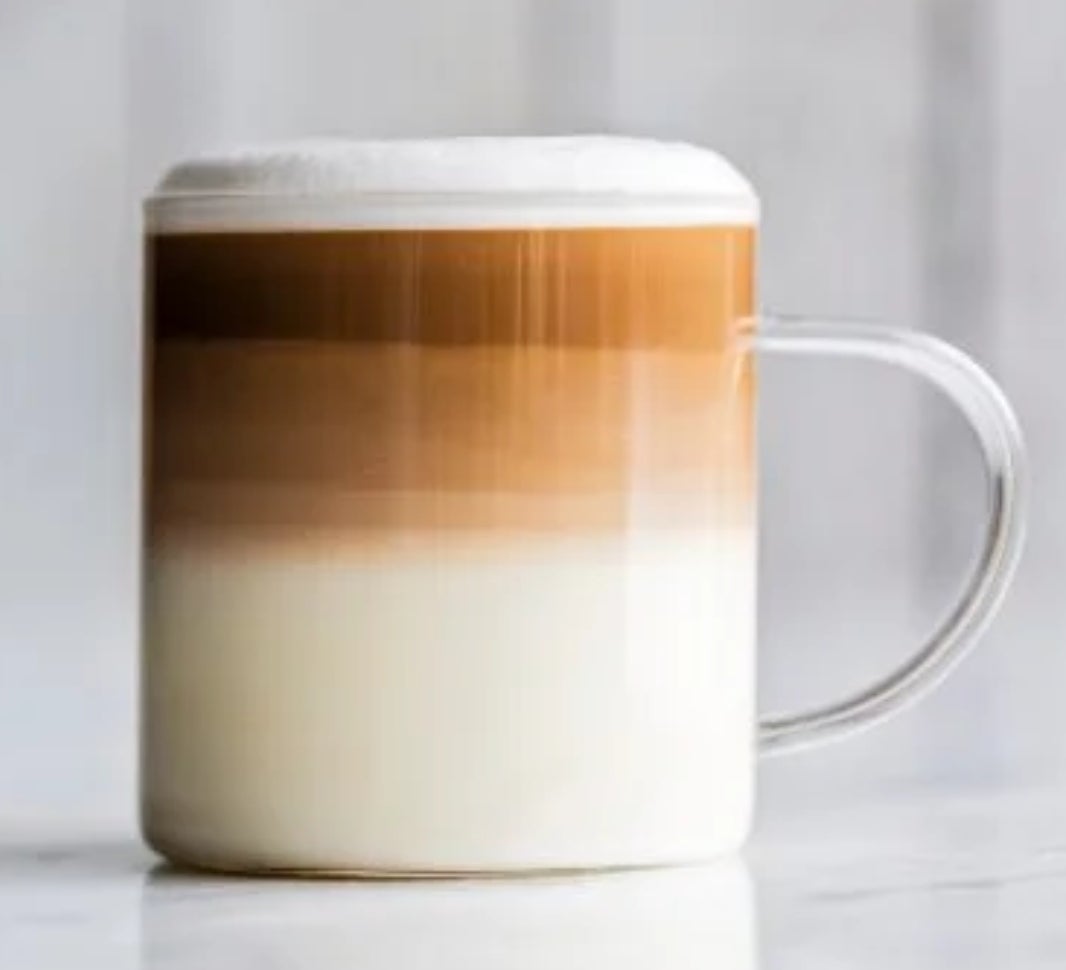
Kaffee Verkehrt
This Austrian coffee type is 1/3 black coffee and 2/3 hot milk and foam.
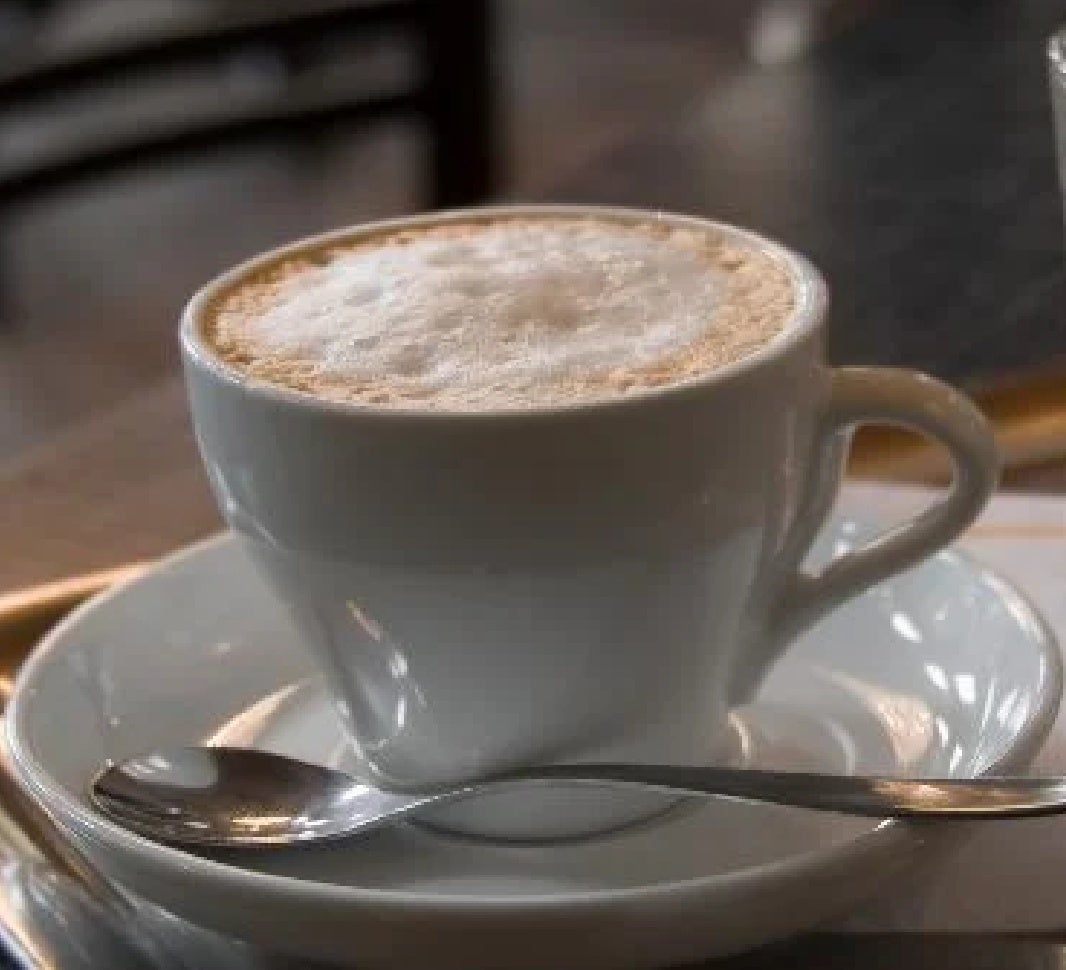
Kleiner Schale Gold
An espresso with hot milk and foam, served in a small cup.
The above list of Austrian coffee types is non-exhaustive and you may discover even more! Each blend is delicious in its own right and if you’re up to the challenge, why not try a coffee crawl of the capital and sample each type along the way?
Now you know all there is to know about Viennese coffee, keep the journey going and explore other coffee hotspots around the world with our guide to German coffee.
FAQ
Viennese coffee houses are more than cafés, they are cultural institutions known for their elegant interiors, slow-paced atmosphere, and intellectual history. They emphasize ritual, presentation, and hospitality.
Coffee came to Vienna after the Battle of Vienna in 1683, when sacks of coffee beans were left behind by the retreating Ottoman army. This marked the beginning of Austria’s coffee tradition.
In 2011, UNESCO added Viennese coffee house culture to its Intangible Cultural Heritage list for its historical significance as a hub for art, literature, and social life.
Some favorites include Wiener Melange, Einspänner, Fiaker, Kapuziner, Franziskaner, and Brauner variations. Each has its own unique preparation and presentation.
The water is a sign of hospitality and allows you to cleanse your palate between sips, enhancing the coffee experience.
A Stamgast is a regular customer who enjoys special treatment—staff often know their preferred table and favourite drink by heart.
Today’s community favourites