What is Filtered Coffee?
Origin and Historical Facts About Filtered Coffee
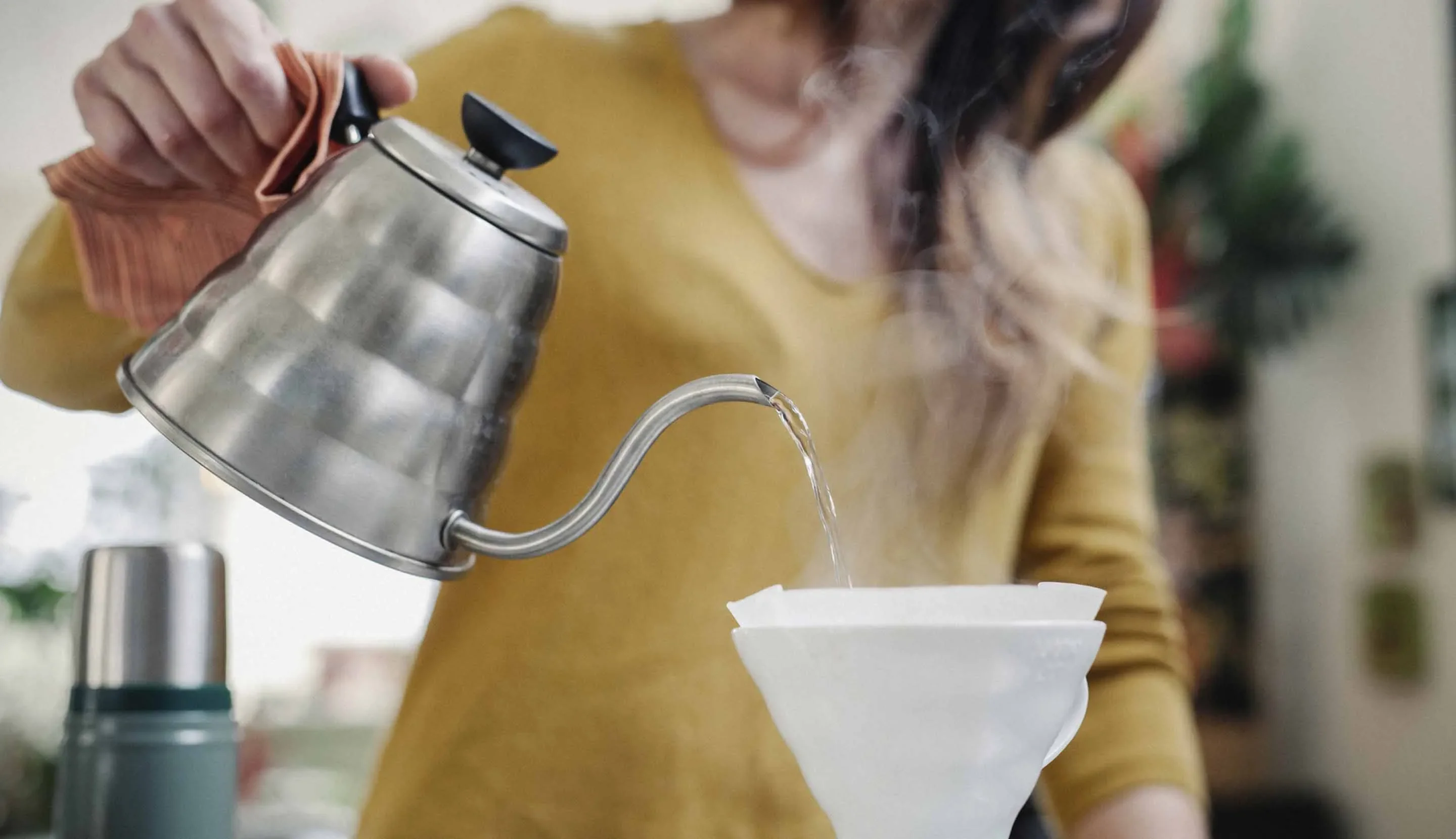
Before this innovation, coffee was commonly prepared by boiling grounds directly in water, which often resulted in a bitter taste and gritty texture. Bentz’s method involved pouring hot water over ground coffee placed in a paper filter, allowing the liquid to drip through while trapping the grounds.
This technique quickly gained popularity for producing a cleaner, smoother cup of coffee. Over time, filtered coffee became a staple in households and cafés worldwide, influencing modern brewing devices like drip machines and pour-over systems. Today, it remains one of the most widely enjoyed coffee preparation methods, celebrated for its balance of flavour and simplicity.
Types of Filtered Coffee
Filtered coffee comes in several types, each defined by its brewing method and equipment. Here are the most common ones:
-
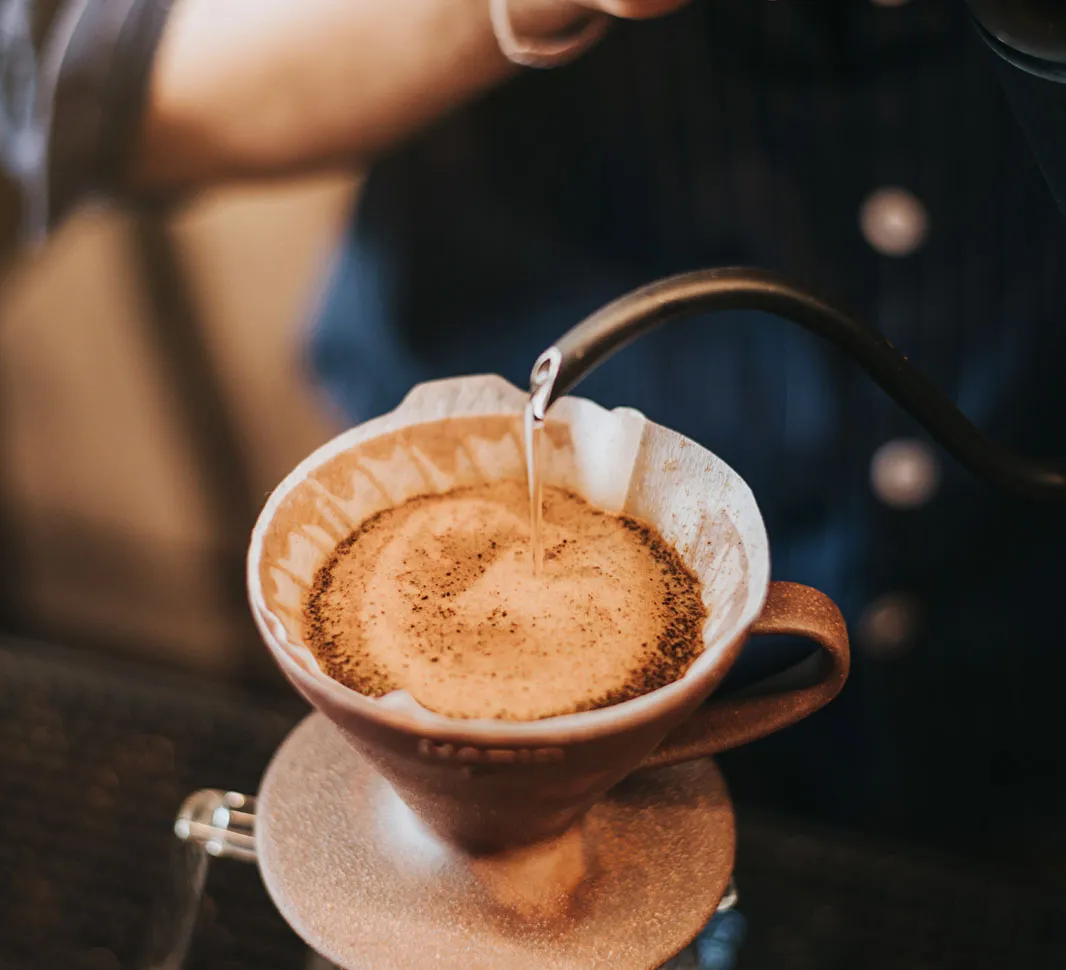
Pour-Over Coffee
This method involves manually pouring hot water over coffee grounds in a filter, usually using devices like the V60 or Chemex. It gives precise control over water flow and extraction, resulting in a clean, aromatic cup.
-
Drip Coffee (Automatic)
Made using electric drip machines, this is the most popular household method. Hot water drips through a basket of coffee grounds and a paper filter into a carafe, producing a consistent brew.
-
Cold Brew (Filtered)
Coffee grounds steep in cold water for 12–24 hours, then are filtered to remove solids. The result is a smooth, low-acid coffee concentrate often served over ice.
-
AeroPress
A modern, portable brewing device that uses air pressure to push hot water through coffee grounds and a paper or metal filter. It produces a concentrated, smooth coffee in about 2 minutes and is popular for its versatility and quick brewing.
-
Vietnamese Phin Filter Coffee
A traditional method using a small metal filter (phin) placed over a cup. Hot water slowly drips through the grounds, creating a strong, flavourful brew often enjoyed with condensed milk.
-
Sock Filter Coffee
Popular in Latin America and Southeast Asia, this uses a cloth filter shaped like a sock. It produces a rich, full-bodied coffee with a unique texture.
-
Indian Filter Coffee
Brewed using a metal filter similar to a percolator, this method creates a strong decoction often mixed with milk and sugar for a creamy drink.
-
Siphon Brewing (Vacuum Coffee)
A visually striking method using two chambers and vapor pressure. Water heats in the lower chamber, rises to mix with coffee grounds in the upper chamber, then filters back down. Known for its clean, tea-like flavour and theatrical presentation.
How to Make a Filtered Coffee
Filtered coffee can be prepared using several methods, each offering unique flavors and convenience. For a pour-over, start by placing a paper filter in a dripper, rinsing it with hot water, and adding freshly ground coffee. Slowly pour hot water in a circular motion over the grounds, allowing it to bloom before continuing in stages for even extraction. The AeroPress method is quick and versatile: add coffee and hot water to the chamber, stir, then press the plunger to force the brew through a filter, creating a smooth, concentrated cup in about two minutes. For coffee for camping or travel lightweight gear like an AeroPress or collapsible pour-over dripper is ideal — pack pre-ground coffee in airtight bags and use a portable kettle or even boiled water from a campfire for a fresh brew anywhere.
Pros and Cons of Filtered Coffee
Filtered coffee offers several advantages and drawbacks that influence its popularity among coffee lovers.
Pros include a clean, smooth taste since the paper or metal filter removes most oils and fine particles, resulting in a lighter body and less bitterness compared to unfiltered methods. It’s also versatile, allowing for different brewing styles like pour-over, drip machines, and AeroPress, and is generally easy to prepare with minimal equipment.
However, cons include a longer brewing time for manual methods, the need for filters and specific gear, and a flavor profile that some find too mild compared to richer, full-bodied methods like French press or espresso. For travellers, carrying filters and equipment can also be less convenient than instant coffee options.
What Is the Difference Between Filtered Coffee and Espresso?
-
Brewing Process:
Filtered coffee is made by slowly pouring hot water over ground coffee through a paper or metal filter, allowing gravity to extract flavors over several minutes. Espresso, on the other hand, uses high pressure (around 9 bars) to force hot water through finely ground coffee in about 25–30 seconds.
-
Strength and Concentration:
Espresso is much more concentrated, producing a small, intense shot with a rich crema on top. Filtered coffee is lighter, cleaner, and served in larger volumes.
-
Flavor Profile:
Filtered coffee tends to highlight subtle flavors and aromas, making it ideal for single-origin beans. Espresso delivers bold, robust flavors with a thicker body and more oils.
-
Equipment:
Filtered coffee requires simple tools like a pour-over dripper or drip machine, while espresso needs a specialized machine capable of generating high pressure.

What Is the Difference Between Filtered Coffee and Americano
-
Filtered Coffee
Made by slowly pouring hot water over ground coffee through a paper or metal filter (e.g., pour-over or drip machine). The water extracts flavors gradually, resulting in a clean, smooth cup with a lighter body and subtle aromas. It’s brewed directly to its final strength.
-
Americano
Starts as an espresso shot, which is highly concentrated and brewed under high pressure. Hot water is then added to dilute the espresso, creating a drink similar in strength to filtered coffee but with a different taste. Americano retains the bold, rich flavors and crema characteristics of espresso, even when diluted.
What Is the Difference Between Filtered Coffee and Instant Coffee?
-
Filtered Coffee
Brewed by pouring hot water over ground coffee through a paper or metal filter (e.g., pour-over, drip machine). This process extracts fresh flavors and aromas, resulting in a clean, smooth cup. It requires brewing equipment and a few minutes to prepare.
-
Instant Coffee
Made from brewed coffee that has been dehydrated into granules or powder. To prepare, you simply add hot water—no brewing equipment needed. It’s quick and convenient but often lacks the depth and complexity of freshly brewed coffee, sometimes tasting flat or slightly bitter.
FREQUENTLY ASKED QUESTIONS
Filtered coffee refers to coffee brewed through a filter, while “normal coffee” can mean any method, including espresso or instant. Filtered coffee is typically cleaner and lighter.
Filtered coffee uses paper or metal filters to remove oils and fine particles, resulting in a smooth cup. Unfiltered coffee (like French press) retains oils and sediments, giving a richer body.
Common methods include pour-over, drip machine, AeroPress, Chemex, siphon brewing, cold brew, and regional styles like Indian filter coffee and Vietnamese phin.
Filtered coffee usually has less caffeine per ounce but more overall in a full cup compared to a single espresso shot.
Yes, but medium grind and beans with bright, complex flavors work best for filtered brewing.
Typically 3–5 minutes for pour-over or drip methods; AeroPress takes about 2 minutes.
Absolutely! Portable options like AeroPress or collapsible pour-over drippers are perfect for travel.
It depends on preference: filtered coffee is cleaner and lighter, while unfiltered is richer and full-bodied.
Today’s community favourites