



FAQ
Frequently Asked Questions
Frequently Asked Questions
- About NESCAFÉ
- Roasts & Caffeine
- How To Make
- NESCAFÉ Products
What is NESCAFÉ?
NESCAFÉ® is the world's best-selling coffee brand.
*Based on 2023 global retail sales data reported by Euromonitor
Where is NESCAFÉ coffee from?
Our NESCAFÉ products are crafted from respectfully grown, high-quality coffee beans from around the world.
Learn more about our sustainability efforts: Make Your World A Better Place | NESCAFÉ US.
What ingredients are found in NESCAFÉ instant coffee?
NESCAFÉ® CLÁSICO™ and NESCAFÉ® TASTER'S CHOICE® and NESCAFÉ GOLD ESPRESSO contain 100% pure instant coffee. We use only the finest quality, respectfully-grown arabica and robusta coffee beans and carefully roast them to capture their full flavor and aroma.
Our NESCAFÉ® TASTER'S CHOICE® Hazelnut Sticks, Dolca® Café de Olla, and NESCAFÉ Flavors are the only products that contain additional ingredients, such as caramelized sugar and flavors.
Our NESCAFÉ® Espresso Concentrates also contain additional ingredients. All four flavors (Black, Sweet Vanilla, Sweet Caramel, Mocha) contain coffee and baking soda, while Sweet Vanilla, Sweet Caramel, and Mocha also have sugar and natural flavor
Is instant coffee real coffee, and what is it actually made of?
Our instant coffee is made with 100% real coffee, just in a different form! It starts as regular coffee beans that are roasted, ground, and brewed into a concentrated liquid. That liquid is then either spray-dried (blasted through hot air to create a fine powder) or freeze-dried (frozen into crystals and dried under vacuum) to produce the granules you scoop into your mug. Because all the water has been removed, the granules dissolve instantly when you add hot or cold liquid back. NESCAFÉ uses both methods: NESCAFÉ® CLÁSICO™ is spray-dried for a bold, full-bodied cup, while NESCAFÉ® TASTER'S CHOICE® is freeze-dried for a lighter, more delicate flavor. Want to go deeper? Check out our what is instant coffee guide to learn everything you need to know.
Is instant coffee a good option if I don't own a coffee machine?
Instant coffee was practically made for this. NESCAFÉ instant coffee requires zero equipment: no machine, no filters, no pods, no grinder. All you need is a mug, a spoon, and hot water. In under a minute, you've got a cup ready to go — whether you're in a dorm room, a hotel, a break room, or your own kitchen. And if you're skipping the kettle altogether, just pour some NESCAFÉ® Espresso Concentrate and water or milk over ice and go. It’s one of the easiest ways to enjoy great coffee without any of the setup.
How many calories are in NESCAFÉ instant coffee products?
1 tsp of our unflavored NESCAFÉ® instant coffee products have <5 calories per serving!
How are NESCAFÉ® decaf coffees decaffeinated?
Regular coffee beans are swelled and extracted using a specialized water process to remove the caffeine. After extraction, the decaffeinated beans are dried and roasted like regular caffeinated beans to get a delicious cup of coffee.
NESCAFÉ® TASTER'S CHOICE®, NESCAFÉ® CLÁSICO™, and NESCAFÉ® GOLD use decaffeinated coffee beans to produce our decaf coffee or espresso products.
Does NESCAFÉ instant coffee contain sugar or carbohydrates?
Unflavored, unsweetened NESCAFÉ® instant coffee products contain no added sugar, less than 5 calories, and less than 1 gram of carbohydrates per serving when prepared as directed. For the most up-to-date nutrition information, please refer to the Nutrition Facts panel on your product. If you have specific dietary or medical concerns, we recommend consulting your healthcare provider.
Is NESCAFÉ instant coffee gluten-free?
NESCAFÉ unflavored, unsweetened instant coffee products do not contain gluten-containing ingredients, but are also not certified gluten free. For the most up-to-date information, always check the ingredient list and nutrition information on the product label. If you have dietary concerns, we recommend consulting your healthcare provider.
What are the U.S. guidelines for caffeine intake?
The FDA recommends a maximum daily caffeine intake of 400 mg for healthy adults (about 4–5 cups of brewed coffee). Caffeine sensitivity varies by individual, and some people may choose to limit their caffeine intake. According to coffee industry data, the average 12 fl oz serving of decaffeinated coffee contains less than 15 mg of naturally occurring caffeine, although caffeine levels can vary depending on the type of coffee bean and preparation method. If you'd like to learn more about decaffeinated coffee options, explore the NESCAFÉ® Decaf range. For specific health questions about caffeine consumption, please consult your healthcare provider and visit the FDA Caffeine page for additional information.
How much caffeine is in NESCAFÉ® Espresso Concentrates?
Per tbsp, Espresso Concentrate contains approximately 100mg caffeine.
What are the differences in acidity between Arabica and Robusta coffee beans?
Arabica beans generally have higher acidity, giving them a lighter, sweeter taste with bright flavor notes. Robusta beans have lower acidity, but they pack a punch with a fuller body and a darker, slightly bitter bite. Visit our coffee types page to learn more about how different beans shape your favorite drink!
How much caffeine is in NESCAFÉ instant coffee products?
According to coffee industry data, a 12 fl oz serving of instant coffee typically contains about 113 mg of naturally occurring caffeine. Please note that caffeine levels may vary depending on the type of coffee bean and preparation method.
How much caffeine is in NESCAFÉ Decaf instant coffee products?
The average 12 fl oz serving of decaffeinated coffee contains less than 15mg of naturally occurring caffeine. Caffeine content can vary across different types of coffee beans and coffee preparation methods.
Does coffee have any benefits?
Coffee is one of the most widely studied beverages in the world. Research has suggested that coffee consumption may be associated with a variety of health and wellness outcomes. According to the National Coffee Association, numerous studies have found associations between coffee drinking and outcomes such as cognitive performance, physical endurance, and certain long-term health measures. However, these studies generally show associations and do not prove that coffee directly causes these outcomes. Individual results may vary, and many factors can influence health. For personalized dietary or health advice, please consult your healthcare provider.
How do I make NESCAFÉ® CLÁSICO™ instant coffee?
It's easy! To make NESCAFÉ instant coffee for a small serving: scoop one teaspoon of instant coffee granules into your mug, add 6 fl oz of hot water, stir and enjoy!
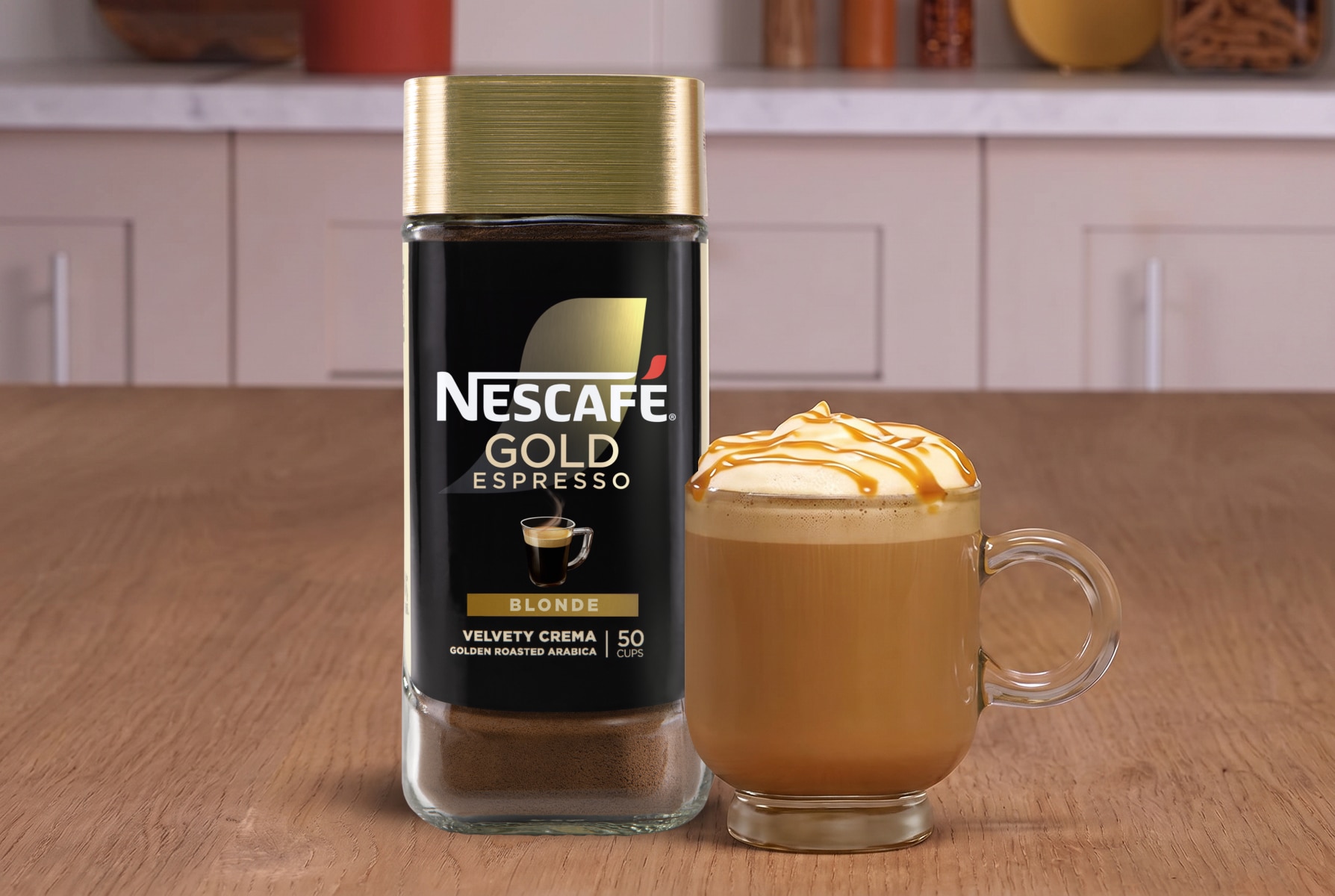
How do I make NESCAFÉ® Gold instant espresso?
Add a teaspoon of NESCAFÉ® Gold instant espresso into your mug, pour 2 fl oz of hot water if making an espresso, or 6 fl oz of hot water if making an Americano, and stir! Then just enjoy it however you like — as a long black or with a dash of milk.
How do I make NESCAFÉ® Espresso Concentrate?
Pour 6 oz of cold milk or water into a glass, then shake your bottle of NESCAFÉ® Espresso Concentrate well, and pour 1 tbsp of concentrate in. Stir, add ice, and enjoy.
How do I make iced coffee with NESCAFÉ instant coffee?
Making iced coffee with NESCAFÉ is super easy. Here are a few ways to do it:
For a cold-prep cup (no hot water needed): If you have NESCAFÉ® Ice Roast, it dissolves directly into cold water or milk — just stir and add ice. You can also use NESCAFÉ® Espresso Concentrate, which mixes perfectly with water or milk for a quick café-style drink.
Using classic instant coffee: You can make iced coffee with any NESCAFÉ instant coffee, like NESCAFÉ® CLÁSICO™ or NESCAFÉ® Gold Espresso. Just dissolve your coffee in a small splash of hot water first (about 2 tablespoons), pour it over a glass of ice, and top with cold water or milk.
Check out our iced coffee recipes for fun ideas like caramel iced lattes and iced coconut lattes!
What kinds of drinks can I make with NESCAFÉ® Gold Espresso?
NESCAFÉ® Gold Espresso makes it easy to whip up all your favorite café drinks at home. For a latte, just dissolve it in hot water and add steamed or frothed milk and your favorite syrup. For a cappuccino, do the same but use a whisk or handheld frother to froth your milk of choice, and gently top your mug with it. Beyond the classics, you can use it as a base for mochas, iced lattes, Dalgona whipped coffee, or poured over vanilla ice cream for a quick affogato. Explore our full recipe page to find more café-style ideas by drink type or season!
What kinds of drinks can I make with NESCAFÉ® Espresso Concentrate?
NESCAFÉ® Espresso Concentrate is made for quick iced drinks, without needing hot water. For a simple iced latte, just mix 2 tablespoons of concentrate with 5 oz of milk, pour over ice, and add your favorite flavor or whipped cream. For an iced americano, swap the milk for cold water. If you're feeling a bit adventurous, mix it with cold lemonade for a refreshing coffee lemonade, or use it as a quick base for an espresso martini or Vietnamese iced coffee. Browse our full recipes for more iced drink ideas organized by season and style!
How do I make NESCAFÉ with Coffee mate®?
Adding Coffee mate® to your favorite NESCAFÉ product is easy.
After mixing the coffee with hot water to make your perfect cup, simply add in your desired creamer and BOOM, you have a perfect cup of coffee!
What can I mix with instant coffee to make it taste even better?
So many things! For a richer, creamier cup, try adding warm milk, your favorite creamer like Coffee mate® or natural bliss. If you like a little sweetness, a drizzle of caramel syrup, a pinch of cinnamon, or a drop of vanilla extract goes a long way. Feeling adventurous? Stir in cocoa powder for a quick mocha, use condensed milk for a Vietnamese-style coffee, or drop in a scoop of vanilla ice cream for an easy affogato. NESCAFÉ also works as a great base for cold drinks. Mix it into cold milk for an instant iced coffee or blend with ice for a homemade frappé. Head over to our recipes page for dozens of drink ideas to try at home.
Can I make a frappé with NESCAFÉ?
Yes, you can make a frappé with NESCAFÉ and it’s delicious! Place NESCAFÉ® instant coffee in a blender with milk, ice and some of your favorite flavors like cinnamon, cocoa or even cookies to make the perfect treat.
Check out our NESCAFÉ recipes for more inspiration!
How do I make whipped (Dalgona) coffee with NESCAFÉ instant coffee?
Whipped coffee (or Dalgona coffee) is very easy to make, and NESCAFÉ instant coffee is ideal for it. Just combine 2 tablespoons of NESCAFÉ instant coffee, 2 tablespoons of sugar, and 2 tablespoons of hot water in a bowl. Whisk vigorously (or use an electric hand mixer) for about 2–4 minutes by hand, or just under a minute with a mixer. It should turn thick, fluffy, and golden-brown. Spoon the whipped foam over a glass of iced or warm milk, stir, and enjoy! For a step-by-step visual, check out our full Dalgona coffee recipe or browse our recipes page for more drinks you can make at home.
How do I make a latte with NESCAFÉ instant coffee?
Making a latte with NESCAFÉ is simple. It just comes down to your coffee base, milk, and optional flavorings.
For a hot latte: We recommend NESCAFÉ® Gold Espresso. Make the coffee as you normally would and then add steamed or frothed milk, followed by your favorite flavor, like vanilla or caramel.
For an iced latte: NESCAFÉ® Espresso Concentrate is the easiest option. Simply pour 2 tablespoons directly into cold milk and ice, then mix. Or if you're using NESCAFÉ Ice Roast coffee, simply dissolve 1 tsp of coffee in 6 fl oz of milk, add ice and enjoy!
Both dairy and plant-based milks work great! Head over to our full latte recipe collection for ideas like caramel and iced vanilla lattes.
How many cups of NESCAFÉ® Espresso Concentrate can I drink per day?
Based on the FDA maximum intake reference for adults, you can enjoy no more than 4 servings per day, when prepared as recommended.
How many cups does one jar of NESCAFÉ instant coffee make?
It depends on the jar size and how strong you like your coffee. A standard 7 oz jar of NESCAFÉ® CLÁSICO™ makes roughly 85–100 cups, based on the recommended serving of one teaspoon of NESCAFÉ per 6 fl oz of water. If you like a stronger cup, try 1.5 teaspoons per serving — though you'll get fewer cups out of the jar. For cold drinks, a 16.9 fl oz bottle of NESCAFÉ® Espresso Concentrate makes 16 drinks when using 2 tablespoons of espresso per serving. Either way, instant coffee is one of the most cost-effective ways to enjoy a good cup at home. Head to our where to buy page to find NESCAFÉ near you.
How many servings are in a bottle of NESCAFÉ® Espresso Concentrate?
When prepared as directed, a serving size of NESCAFÉ® Espresso Concentrate is approximately 1 tablespoon. In a 10 fl oz bottle of Espresso Concentrate there are 20 servings. Our 1 tablespoon standard serving of concentrates is based on adding 6 fl oz of milk or any other liquid you prefer.
How long does a bottle of NESCAFÉ® Espresso Concentrate stay fresh once opened?
Once opened, store refrigerated and use within 14 days.
How do I choose the right NESCAFÉ instant coffee for my taste?
The answer comes down to three things: how strong you like your coffee, how you plan to make it, and whether you’d like it hot or cold.
For a bold, rich cup with Latin-inspired flavor, try NESCAFÉ® CLÁSICO™.
If you prefer something smooth and light, NESCAFÉ® TASTER'S CHOICE® is a great match, especially if you enjoy drip coffee.
Nescafé® Gold Espresso delivers a rich and intense espresso experience, best for espresso-style drinks like lattes and cappuccinos.
If you are looking to make iced drinks, NESCAFÉ® Espresso Concentrate and NESCAFÉ Ice Roast are both specifically designed to mix with cold milk or water — no heat needed.
Check out our full product lineup to compare options and find your perfect match.
What’s the difference between NESCAFÉ® CLÁSICO™ and NESCAFÉ® TASTER'S CHOICE®?
The main difference comes down to how they're made and how they taste. NESCAFÉ® CLÁSICO™ is spray-dried for a bold, full-bodied cup with a rich aroma. NESCAFÉ® TASTER'S CHOICE® is freeze-dried, giving it a lighter, smoother flavor that's very similar to classic drip coffee.
Both are made with high quality coffee, so it just comes down to whether you prefer a bold roast or a smoother, lighter sip. Head over to our where to buy page to find both near you and see which one you like best.
Which NESCAFÉ format is easiest for travel, dorms, and on-the-go mornings?
When you're on the move, NESCAFÉ® TASTER'S CHOICE® stick packs are your best bet. Each stick is pre-measured — just tear, pour, and add hot water. They're ideal for hotel rooms, dorms, office desks, or tossing into a travel bag. If you have a mini-fridge handy, NESCAFÉ® Espresso Concentrate is a great option. Keep the bottle chilled and pour over water or milk with ice whenever you need a boost. Head to our where to buy page to find both products near you.